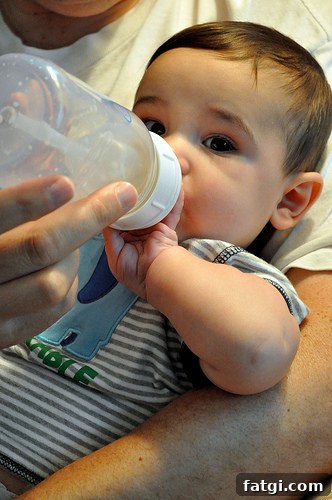
If you are ready to move beyond bottles or nursing and are wondering about making homemade baby food, you are in the right place. The idea of preparing your own baby meals can sound intimidating at first, but thinking of it as simple vegetable puree can make the process feel much more approachable. Once you learn how to make a smooth, nutritious puree, you’ve essentially mastered the base of most homemade baby food recipes.
Many parents worry they lack the time, skill, or knowledge to cook for their infant. If that sounds like you, know that you are not alone. My goal in sharing these experiences is to make the transition to homemade baby food less overwhelming. I want to show practical, real-world approaches to preparing healthy baby meals so you can save money, control the ingredients, and feel confident about what goes into your child’s diet.
This is not a professional manual or a medical guide. I am not claiming to be an expert on infant nutrition — just a parent sharing what has worked for my family. I’ll describe simple recipes, basic techniques for preparing vegetables and fruits, storage suggestions, and tips for introducing new flavors to your baby. These are straightforward, time-saving methods that fit into a busy family life, not elaborate culinary projects.
Every child has unique tastes, and what one baby loves another may dislike. My little one’s reactions to different purees will be part of what I share: the successes, the surprising preferences, and the flavors that needed a few tries before being accepted. If your baby rejects a food at first, try again after a few days. Taste preferences change quickly in infancy, and repeated gentle exposure can make a big difference. Of course, never force food—if an ingredient consistently causes distress or refuses to be accepted, it’s fine to move on and try other nutritious options.
Over the coming weeks and months I’ll post baby food recipes, practical recommendations, and helpful tips for parents who want to prepare fresh, homemade meals. Expect clear, simple recipes for single-ingredient purees and gentle combinations that respect flavor development and safety. I’ll cover methods for steaming, roasting, and pureeing vegetables and fruits, guidance on thinning and storing purees, and suggestions for safely introducing common allergens according to current pediatric advice. My aim is to keep everything realistic and doable—recipes that require minimal equipment and that busy parents can reasonably prepare.
Some specific themes I plan to cover include:
- Easy vegetable purees that build a baby’s palate, such as sweet potato, carrot, squash, and peas.
- How to prepare and store small batches so you avoid waste and maintain freshness.
- Tips for adjusting texture as your baby progresses from smooth purees to more textured foods.
- Ideas for incorporating homemade purees into toddler meals as they grow.
- Advice on meal prep timing and safe reheating practices.
If you are following along and have questions, feel free to leave a comment. I’ll share what I’ve tried, what worked, and what didn’t. I won’t claim to have every answer, but I will offer practical suggestions based on real experience. My hope is that these posts will help you feel confident and supported as you prepare nutritious, homemade food for your child.
That’s the introduction—simple, honest, and focused on helping other parents take small, manageable steps toward making fresh baby food at home. If I can learn this while juggling daily life, you can too. Let’s make feeding time nutritious, affordable, and a little less stressful.