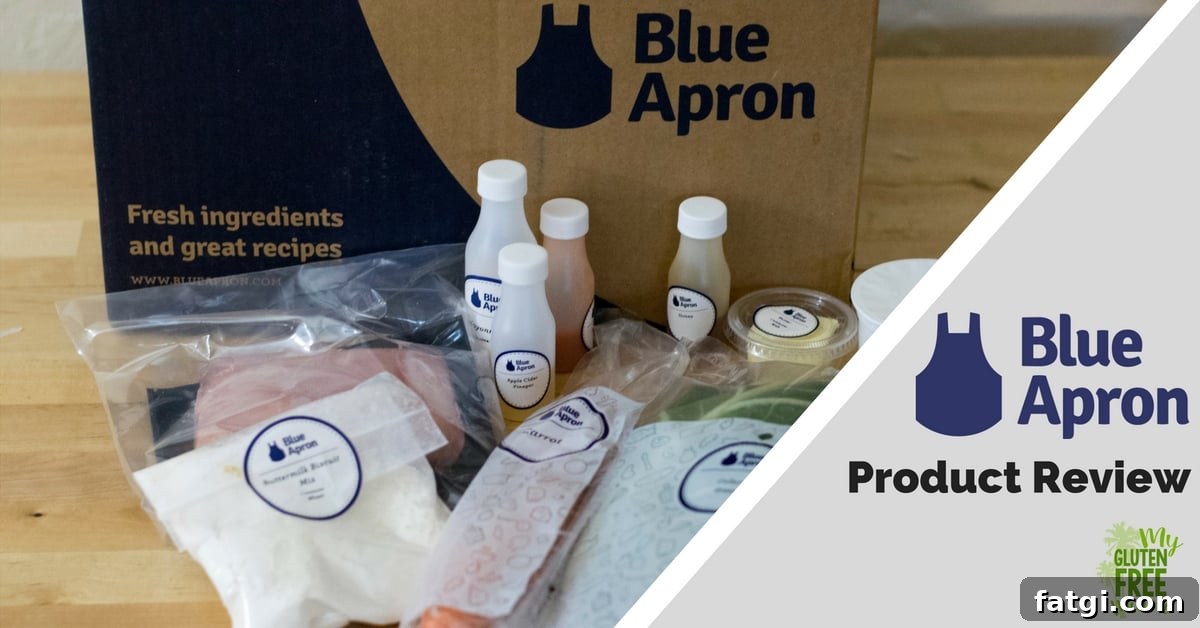
Blue Apron Review: Are There Practical Gluten-Free Options?This meal box was provided by Blue Apron free of charge in exchange for an honest review.
 Update
 Update
My first experience with Blue Apron was only okay, especially from a gluten-free perspective. When I was offered the opportunity to try the service again, I decided to give it another chance and compare the experience with my original Blue Apron review.
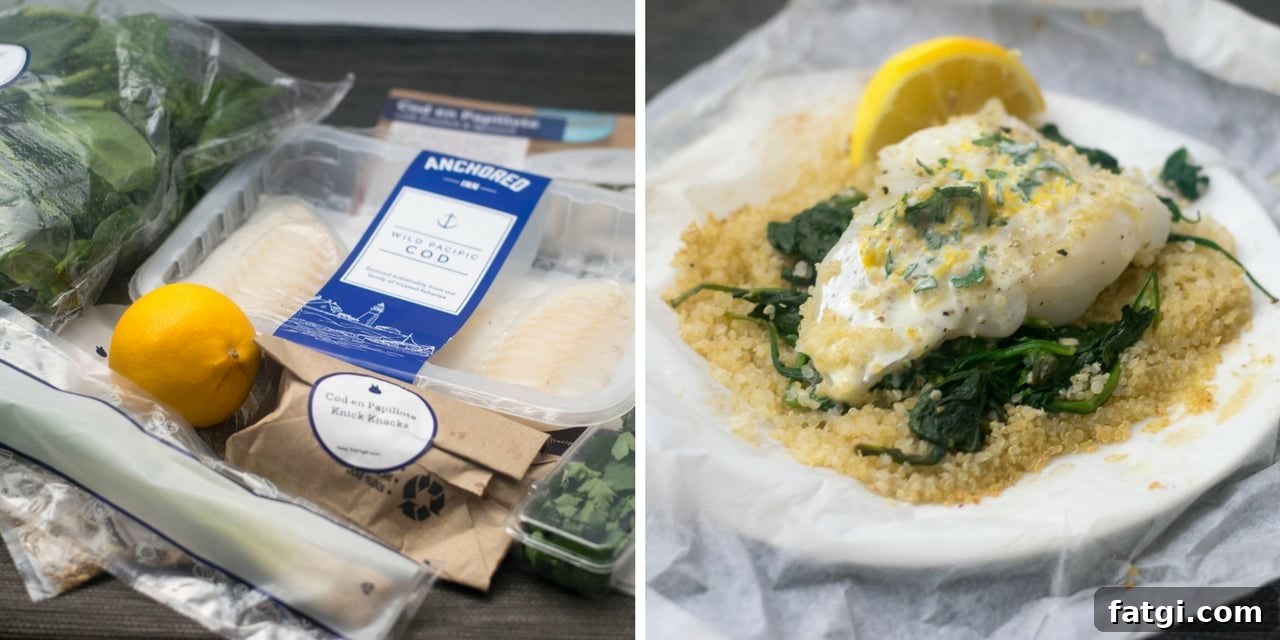
This time, the overall experience was noticeably better. The meals felt easier to manage, the ingredients arrived in better condition, and I found more recipes that were either naturally gluten free or simple enough to adapt with items I already keep in my kitchen.
Pros:
- There were more naturally gluten-free recipes available, and several meals could be adjusted without needing expensive specialty ingredients.
- The packaging was better than I remembered. There was still quite a bit of plastic, but the produce stayed fresh, even when I waited an extra day before cooking.
- The fish and meats were good quality and made the meals feel worthwhile.
- Menus can be viewed several weeks in advance, which makes it easier to plan around dietary needs.
- Each meal includes ingredients and instructions, so you can review recipes before deciding what will work for your household.
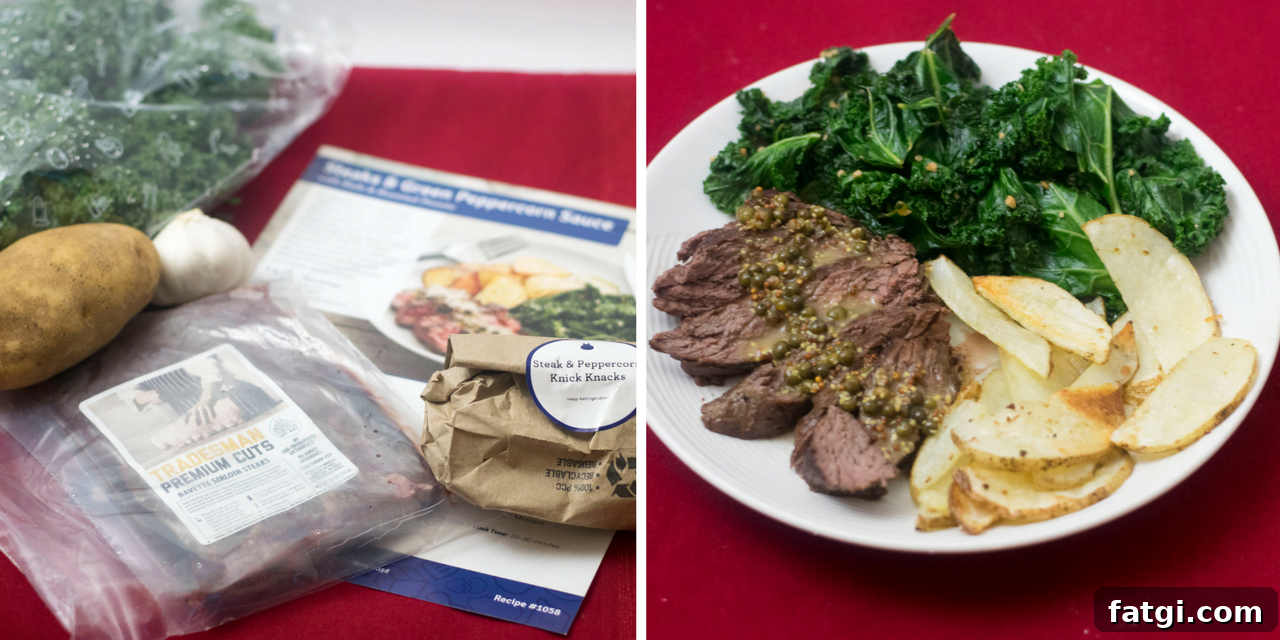 and several meals could be adjusted without needing expensive specialty ingredients.
Cons:
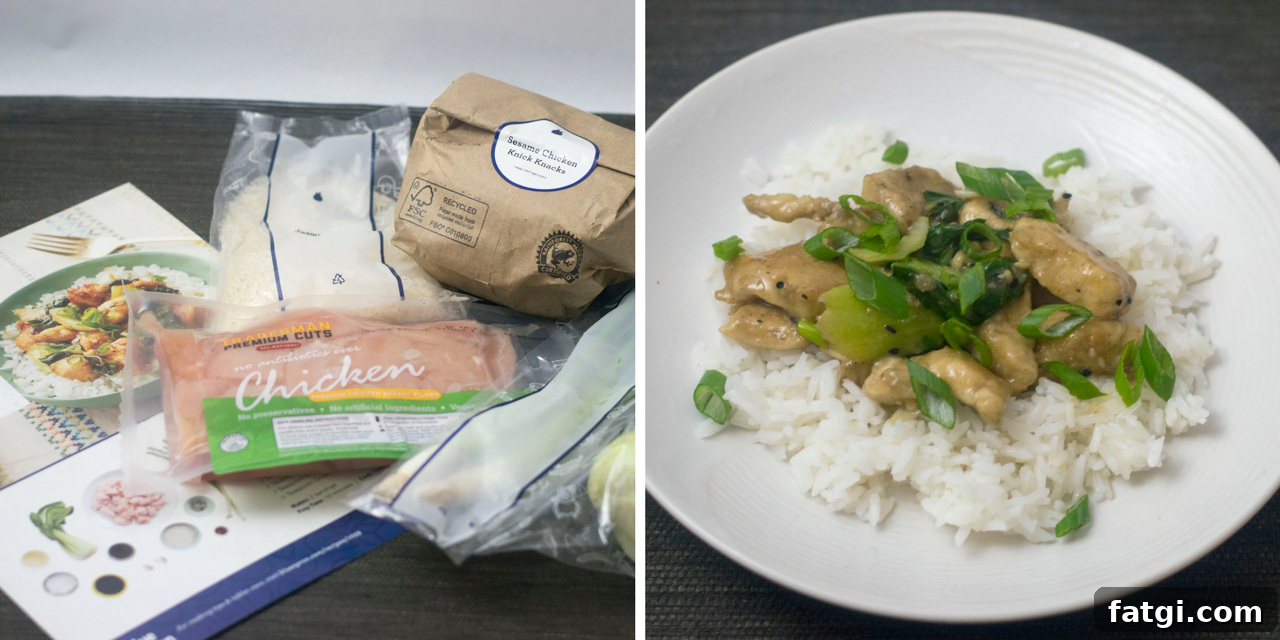 Cons:
Cons:- Allergen information was not always as easy to confirm as I would like before the box arrived. You can review the ingredients, but I still prefer having complete allergy details clearly available for every meal.
- There are often sandwich-style meals, which are usually not practical for a gluten-free diet unless you plan to replace the bread yourself.
- Some recipes include ancient grains, such as freekeh, which are not gluten free. I found quinoa to be a simple substitute in those cases.
Final Updated Thoughts:
During this updated Blue Apron review, the meal prep felt easier and the recipes tasted better than I remembered from my first experience. I did not need to make many costly substitutions, so the meals still felt like a reasonable value. Because many of the recipes use whole food ingredients such as vegetables, meat, fish, herbs, and simple pantry items, some dishes can be naturally gluten free or close to it.
That said, Blue Apron is not something I would personally use every week for gluten-free meal planning. There are not always enough gluten-free options, and anyone with celiac disease or serious gluten sensitivity should carefully review each recipe and ingredient before ordering. For people who enjoy trying new dishes and do not mind making a few swaps, Blue Apron may be worth considering from time to time.
Trying it one time is easier if you plan ahead:
- Review the upcoming menus before ordering and look closely at every ingredient listed for each recipe.
- Choose meals that are naturally gluten free whenever possible, such as recipes built around meat, fish, vegetables, potatoes, rice, or quinoa.
- Keep simple gluten-free substitutes on hand, including gluten-free bread, gluten-free flour blends, tamari, quinoa, or rice.
- Check the packaging and ingredient labels carefully when the box arrives, especially if you have a medical need to avoid gluten.
Original Review:
Blue Apron Review
As part of my journey through boxed meal delivery services, I wanted to try Blue Apron. Blue Apron is a well-known meal kit service that lets you choose meals and then delivers the ingredients and recipe cards to your door.
At the time of my original review, Blue Apron offered several meals each week that were naturally gluten free, along with a few others that could be converted with substitutions. Overall, my husband and I enjoyed the food and the recipes. The meals were flavorful, and we tried combinations I might not have made on my own.
However, when reviewing a meal kit from a gluten-free point of view, taste is only part of the experience. I also consider how easy the meals are to prepare, whether substitutions are affordable, how clearly allergens are handled, and whether the service makes dinner simpler or more complicated.
The Blue Apron Experience
Packaging:
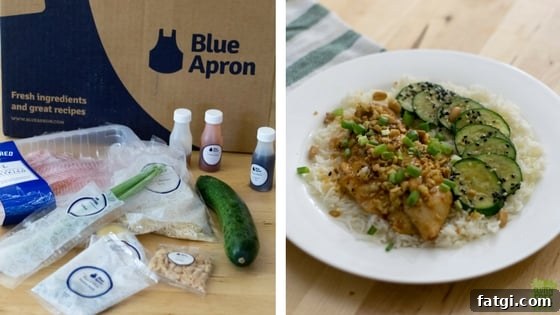 I was not thrilled with the packaging during my first Blue Apron experience. Almost every item arrived wrapped in plastic, including produce such as squash, which felt unnecessary. I did appreciate that the meat was double packaged, because that helped keep it separate from the rest of the ingredients.
With the exception of the small “knick knacks” bag, most ingredients were placed together in one box. That meant I had to sort everything before cooking. While it was convenient to have every ingredient included, some items, such as mayonnaise in small plastic bottles, were difficult to use completely.
Recipes:
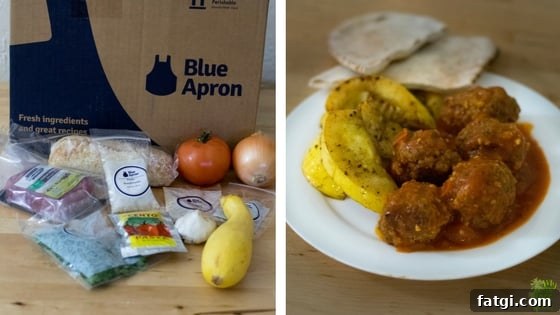 The recipes were clear, concise, and did not require fancy kitchen tools. That was a definite positive. However, I needed to read each recipe carefully before starting and make sure everything was prepped in advance.
The actual cooking time was not too long, but the prep work made the meals feel more involved than I expected. Chopping, sorting, measuring, and adjusting ingredients for gluten-free needs took extra attention. For someone cooking while managing a toddler, that made dinner feel less simple than I hoped.
Clean Up:
 Cleanup was one of the easier parts of the experience. The recipes did not require a large number of pans, and the kitchen was manageable afterward. For me, easy cleanup is always a major benefit, especially on busy weeknights.
Is it Enough Food?
Yes, the meals provided enough food for two adults with decent portions, plus enough for my toddler to share. The dishes were not especially kid-friendly, but I was able to make them work. Blue Apron also offers family-style meals, which may be a better fit for households with children.
Allergies:
The ingredients were individually sealed, and allergen details were included with the meal materials. I still recommend reviewing everything carefully if you need to avoid gluten for medical reasons. For gluten-free diners, the safest approach is to read the recipe before ordering, check the labels when the box arrives, and make substitutions when needed.
Cost:
At the time of my review, the cost was about $20 per night for enough food to make two adult meals and feed a toddler. That seemed fairly average compared with other boxed meal services. The meals were tasty, and we did try recipes I would make again, including catfish with ponzu sauce.
For my own family, though, I look to meal kits for convenience more than complex flavors. When a meal requires several gluten-free adjustments, the value depends on how much time and effort it saves.
Final Thoughts
Blue Apron can be difficult for me to justify as a regular purchase, but it does have strengths. The food is delicious, the recipes are creative, and the service can help you expand your cooking skills and try new flavor combinations. If you enjoy cooking and like experimenting with new meals, Blue Apron may be a good fit.
For my family, it was a little too involved during my original experience, and I had to make too many adjustments to keep everything gluten free. My updated experience was better, with more workable options and easier substitutions, but I still would not call it a consistently gluten-free meal kit. This Blue Apron gluten-free review is best summed up this way: it can work, but it requires planning, label reading, and flexibility.
Try it yourself:
If you are curious about Blue Apron, review the current menu carefully before ordering and choose the meals that best match your dietary needs. Some people love the variety and convenience, while others may find the gluten-free adjustments too time-consuming. If you try it, start with recipes that are naturally gluten free or easy to modify, and decide from there whether it works for your family.