Why is my child holding food in their mouth instead of chewing?
Why does my child play with food for so long before eating?
Why do some meals leave me unsatisfied even though they are nutritious and filling?
Mary Voogt, a feeding specialist and advocate for children with food allergies, explains how she discovered the four Eating Styles and how understanding them can transform family mealtimes—reducing stress and improving nutrition for everyone.
Mary shares how each of her children challenged her assumptions about feeding and eating. Once she began examining the “how” of eating rather than only the “what,” she opened the door to new strategies that helped her children become confident, nourished eaters. Whether you face picky eaters, plate decorators, or kids who sprint away from the table, there is usually a clear reason behind each behavior.
Kids Eating Styles
Mary describes the characteristics and needs of the four Eating Styles:
- Intuitive
- Adventurous
- Active
- Analytical
Recognizing these patterns helps explain why one child wakes up ravenous and is happy to eat the same breakfast every day, while another grazes and picks at food for an hour. Mary also offers practical guidance for meal planning when multiple Eating Styles live at your table—and how to prepare one core meal that can be adjusted slightly to satisfy everyone.
Her message is hopeful: every child can become a great eater when caregivers work with natural tendencies and gently strengthen areas of weakness. Mary moved from struggling with nearly every meal to raising four enthusiastic eaters, and her experience brings encouragement and practical tools to other parents.
Video: Kids Eating Styles — available to watch online.
Eating Styles Video Time Stamps
- 0:14: Introduction — Mary Voogt joins the Healthy Parenting Connector. She is a homeschooling mother of four with a deep interest in feeding children well and is training as a Nutritional Therapy Practitioner (NTP).
- 1:58: Mary explains how her own family’s feeding challenges—especially food allergies—led her to study kids’ nutrition and eating behavior.
Why Won’t My Child Eat?
- 8:04: Parents often worry about what foods to serve. Mary reframes the question: how we feed children—our approach and environment—can be more important than the specific foods on their plate.
- 9:46: A personal example: Mary’s oldest son had intense reactions to small pieces of certain vegetables. After years of persistence and experimentation, she learned he was sensitive to many orange vegetables due to a difficulty metabolizing beta-carotene.

The Four Eating Styles
- 11:29: Over time Mary identified four distinct Eating Styles that explain common mealtime patterns.
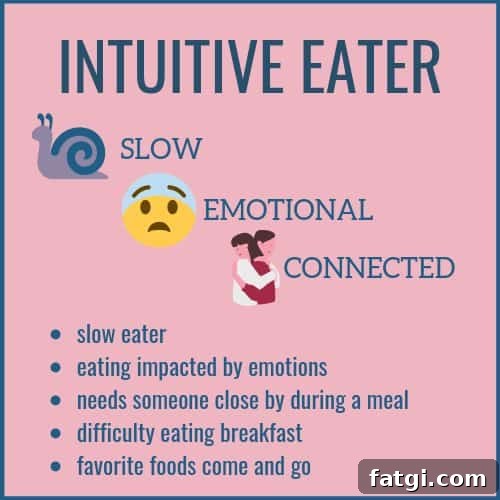
- 11:51: The intuitive eater is often labeled picky. These children are highly tuned to internal signals and are selective about textures and flavors.
- 13:03: Adventurous eaters enjoy playing with food, arranging it, and personalizing their plates.

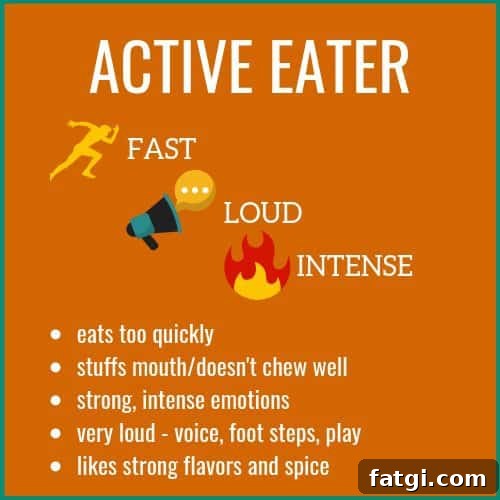
- 13:38: Active eaters eat quickly and prefer bold, intense flavors and food combinations.
- 14:28: Analytical eaters appreciate routine, structure, and contrasting textures or organized plates to feel satisfied.

- 15:26: Many children show a dominant style with elements of a second style. Observing the big picture helps you accurately identify their tendencies.
Determining Your Child’s Eating Style
- 16:06: Focus on overall patterns rather than one-off behaviors. Consider how your child typically approaches food across meals and settings.
HOW you feed your child is the first step that determines WHAT you feed them. You can’t skip it or you’ll just be frustrated. —Mary Voogt
- 16:48: If your household contains multiple Eating Styles, meal planning can feel challenging, but Mary offers strategies that make it manageable.
- 17:41: Quick summaries: intuitive eaters tend toward comforting textures; adventurous eaters want hands-on options to personalize; active eaters prefer fast, flavorful bites; analytical eaters desire order and contrast.
Making ONE Meal Everyone Will Enjoy
- 19:53: Mary demonstrates how to balance the four Eating Styles with one adaptable meal. Small tweaks—different seasonings, sides, or ways to present food—allow everyone to enjoy the same base dish.
- 20:59: When a meal favors one style, simple adjustments can include offering customizable toppings, varied textures, or a hands-on component so other styles feel included.
You can still feed everybody the same food, you just need to make some little tweaks. —Mary Voogt
- 24:07: Parents often intuitively know what their children need. When appropriate, involve kids in meal planning—intuitive eaters, in particular, respond well to having a say.
- 25:44: Many families find it helpful to have children help plan and prepare meals; this builds confidence and reduces resistance.
Reduced Stress at Meals
- 26:49: Understanding why children behave as they do at mealtimes reduces stress. Recognizing different styles reframes behaviors as preferences and needs rather than problems.
- 28:23: Mary, an analytical eater, protects her own calm at meals by taking deep breaths before sitting down. Simple relaxation techniques can support digestion and improve mealtime atmosphere for all styles.
- 29:33: Discussing each family member’s Eating Style at the table can help children appreciate differences and learn to respect each other’s preferences.
When you learn about how your kids eat, you’ll learn so much about yourself. —Mary Voogt
- 30:50: Studying Eating Styles also helped Mary understand her own responses to different meals—why some foods feel satisfying and others do not, even when she is physically full.
- 33:13: Mary offers guided support to help families identify their Eating Styles and create a plan for mealtime success.
- 37:32: The interview closes with encouragement: change is possible, and small, consistent shifts can lead to calmer, more nourishing family meals.

At Kids Cook Real Food™ we teach connection, confidence, and creativity through cooking. Learning your child’s Eating Style can help you approach feeding with greater confidence and empathy, so you can connect with your child and support healthy eating habits long term.
Resources Mentioned
- Mary’s Eating Styles membership and resources (referenced without direct links)
- Breakfast ideas and sample recipes designed for different Eating Styles
- Rotation diet suggestions and recipes for sensitive eaters
- Additional reading on adapting meals and reducing picky eating struggles
About Mary Voogt
 Mary is a homeschooling mother of four who has spent more than a decade sharing recipes and practical advice about feeding children and managing allergies. With an engineering background, she approaches feeding challenges as problems to be solved—looking for root causes and realistic solutions. Mary is training as a Nutritional Therapy Practitioner and helps families work through feeding challenges with compassion and hope. Her experience shows that adjusting how we feed children can be as important as what we serve.