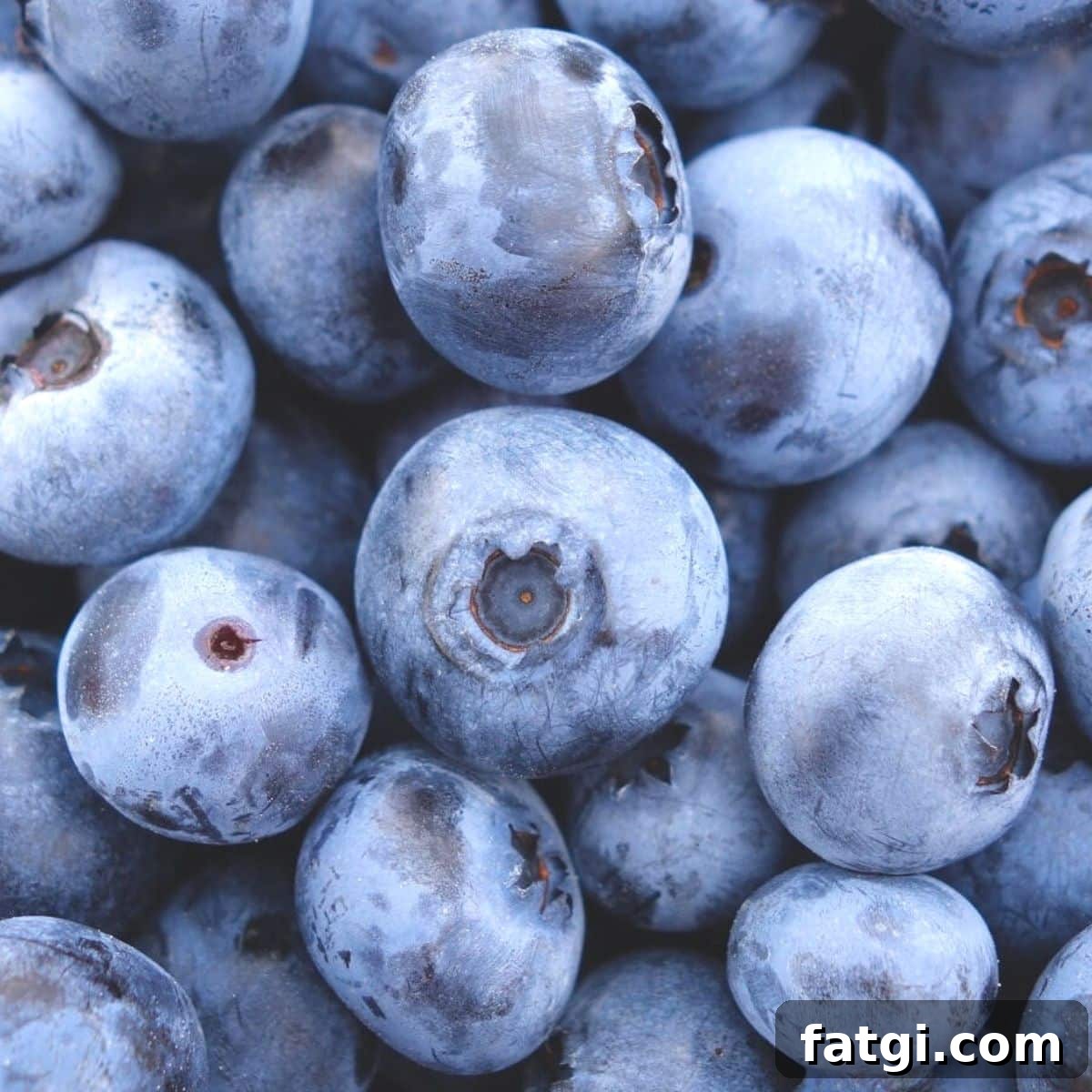
Blueberries are a wonderfully sweet and flavorful fruit—nature’s candy. Beyond their taste, they are nutrient-dense and loaded with antioxidants that support many aspects of health. From heart protection to immune support and cognitive benefits, this article summarizes what makes blueberries such a valuable addition to your diet.
Blueberries rank among the most antioxidant-rich fruits available and fit well into a healthy eating pattern. Their combination of vitamins, minerals, fiber, and plant compounds gives them broad health value. For these reasons they are often described as a “superfood.”
Below are ten important health benefits and practical uses for blueberries, plus tips for enjoying them in everyday meals.
Blueberries: Nutritional Facts
One cup (about 148 g) of fresh blueberries contains approximately:
- 84 calories
- Total fat 0.5 g
- Cholesterol 0 mg
- Sodium 1.5 mg
- Potassium 114 mg
- Total carbohydrates 21 g
- Dietary fiber 3.6 g
- Sugars 15 g
- Protein 1.1 g
That same serving also supplies notable amounts of vitamins and minerals, including vitamin C, vitamin K, and manganese, plus smaller amounts of B vitamins, calcium, iron, magnesium, phosphorus, zinc, and folate.
Vitamins and minerals
Blueberries provide vitamin C to support immunity and collagen formation, vitamin K for blood clotting and bone health, and manganese, which plays a role in metabolism and antioxidant defenses.
Antioxidants
Blueberries are rich in antioxidants such as anthocyanins, quercetin, and other flavonoids. These compounds help neutralize free radicals and reduce oxidative stress, potentially lowering the risk of chronic conditions associated with inflammation and cell damage. Antioxidants in blueberries are also linked to benefits for circulation, vision, and healthy aging.
Fiber
Blueberries offer several grams of fiber per cup, which supports digestion and helps with feelings of fullness. Dietary fiber also contributes to heart and metabolic health by assisting blood sugar control and supporting a healthy cholesterol profile.
Carbohydrates and Glycemic Considerations
Blueberries provide carbohydrates mainly from natural sugars, balanced by fiber. A one-cup serving contains around 21 grams of carbs and about 84 calories. Their glycemic index is moderate, so when eaten as part of a balanced meal they are less likely to cause rapid blood sugar spikes. Portion control matters for people managing carbohydrate intake.

Health benefits of blueberries
Powerful antioxidant effects
Blueberries contain multiple antioxidant compounds that help neutralize free radicals. These compounds, including anthocyanins and quercetin, have been associated with reduced markers of oxidative stress and may offer protective effects against heart disease, certain cancers, and age-related cognitive decline.
Heart health support
Regular consumption of blueberries is linked in studies to improved markers of cardiovascular health. The berries’ antioxidants and fiber may help support healthy cholesterol levels, reduce blood pressure, and improve blood vessel function—factors that contribute to lower cardiovascular risk when combined with an overall healthy diet.
Blood sugar regulation
Blueberries contain soluble fiber and antioxidant compounds that can help moderate blood sugar responses after meals. Eating blueberries in reasonable portions, especially with protein and healthy fats, can be part of a balanced approach to blood sugar control.
Brain and cognitive benefits
Compounds in blueberries, particularly anthocyanins, have been associated with improved short-term memory and cognitive processing in some studies. Evidence suggests they may reduce brain inflammation and support healthy brain aging, which could lower the risk of neurodegenerative conditions over time.
Immune support
Vitamin C, antioxidants, and other phytochemicals in blueberries help support immune function by protecting cells from oxidative damage and supporting normal immune responses.
Potential cancer-preventive properties
Because blueberries are high in antioxidants and other protective plant compounds, they are often included among foods believed to help reduce the risk of certain cancers. While no single food prevents cancer, a diet rich in fruits and vegetables supports overall cancer-prevention strategies.
Anti-inflammatory effects
Blueberry flavonoids have been shown to exert anti-inflammatory effects in laboratory and animal research. Reducing chronic inflammation is a key part of protecting long-term health and lowering the risk of many chronic diseases.
Mood, sleep, and memory
Regular consumption of antioxidant-rich fruits like blueberries has been associated with benefits for mood and cognitive function. Blueberries contain naturally occurring compounds that may support sleep quality and emotional well-being when included in a varied, balanced diet.

How to use blueberries
Blueberries are versatile and easy to add to meals. Try these ideas:
- Add fresh blueberries to fruit salads.
- Top yogurt, granola, or oatmeal with blueberries.
- Fold berries into pancake or muffin batter before baking.
- Blend them into smoothies or milkshakes.
- Enjoy a handful as a quick, healthy snack.
- Use blueberries in salads for a sweet-tart contrast with greens and cheese.
- Freeze extras for smoothies or baking later.
Blueberry recipes
Simple recipes to try at home:
-
 Blueberry Oatmeal Cookies
 -
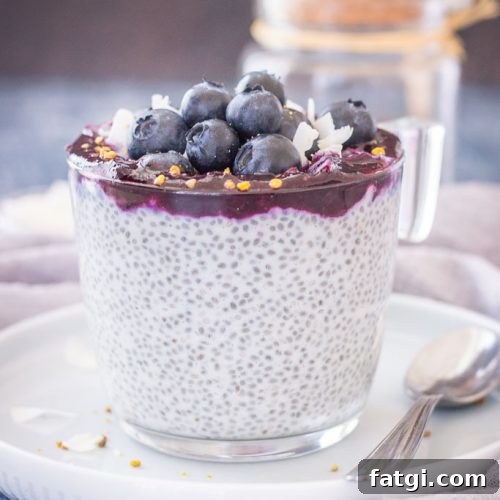
Blueberry Coconut Chia Pudding
-
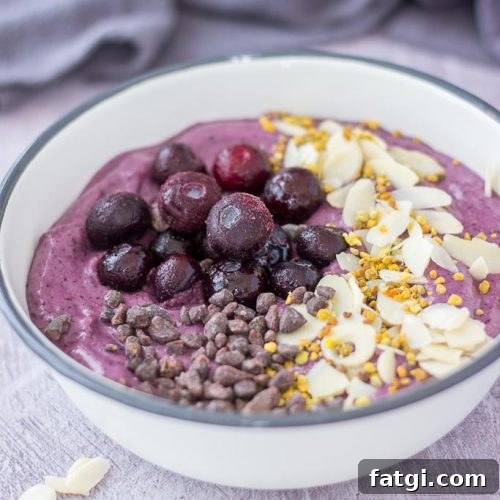
Blueberry Acai Smoothie Bowl
-
Blueberry Avocado Smoothie Bowl
-
Lemon Blueberry Pound Cake
-
Blueberry Oatmeal Porridge
-
Mango Blueberry Smoothie
-
Blueberry Pancake Casserole









Takeaway
Blueberries are more than a tasty snack. They supply vitamins, minerals, fiber, and a concentrated mix of antioxidants that support heart health, brain function, blood sugar balance, immune defense, and reduced inflammation. Including berries regularly as part of a diverse, plant-rich diet can contribute to overall health and well-being.
FAQ
Common questions about blueberries:
Eating blueberries regularly can provide consistent intake of antioxidants, vitamins, and fiber, which may support eye, heart, and brain health. As with any food, enjoy them as part of a balanced diet and watch portion sizes to manage total calorie and sugar intake.
A typical serving is one cup of fresh blueberries. That fits easily into recommended daily fruit and vegetable targets. Depending on your energy needs and health goals, one cup per day is a reasonable and beneficial amount for many people.