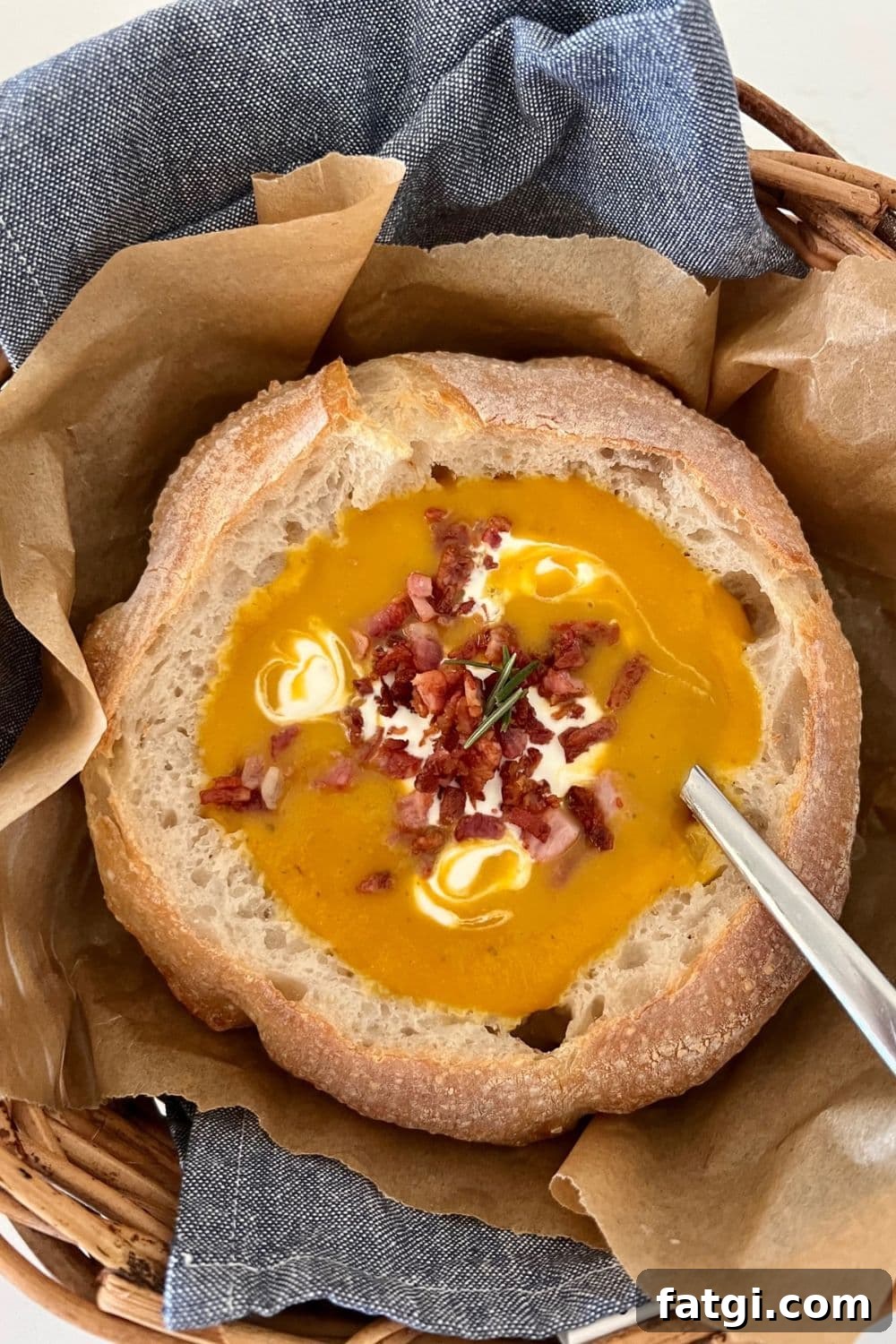
This sourdough bread bowl recipe is a delicious and creative way to serve hearty soups, stews, chowders, chili, and warm dips. Each bowl has a crisp golden crust, a chewy sourdough crumb, and enough structure to hold a generous serving of your favorite filling.
Homemade sourdough bread bowls always feel special at the table. They are fun to make, impressive to serve, and even better because the bowl is edible. If you already have an active, bubbly sourdough starter, this recipe is a wonderful way to turn it into something practical, comforting, and full of flavor.
This recipe makes 2 medium sourdough bread bowls. If you need more, simply double or triple the ingredients. The process is very similar to making a small sourdough boule, but the dough is divided into smaller portions before shaping and baking.
For best results, use a kitchen scale, bread flour, and a well-fed starter. The dough needs time to ferment properly, so plan ahead and allow enough time for bulk fermentation and a cold rest in the refrigerator.
- Use an active sourdough starter that has been recently fed.
- Use bread flour for better rise, strength, and crust.
- Let the bread bowls cool completely before cutting and hollowing them out.
- Serve with thicker soups or dips to help prevent the bread from becoming soggy too quickly.
What Makes The Perfect Sourdough Bread Bowl?
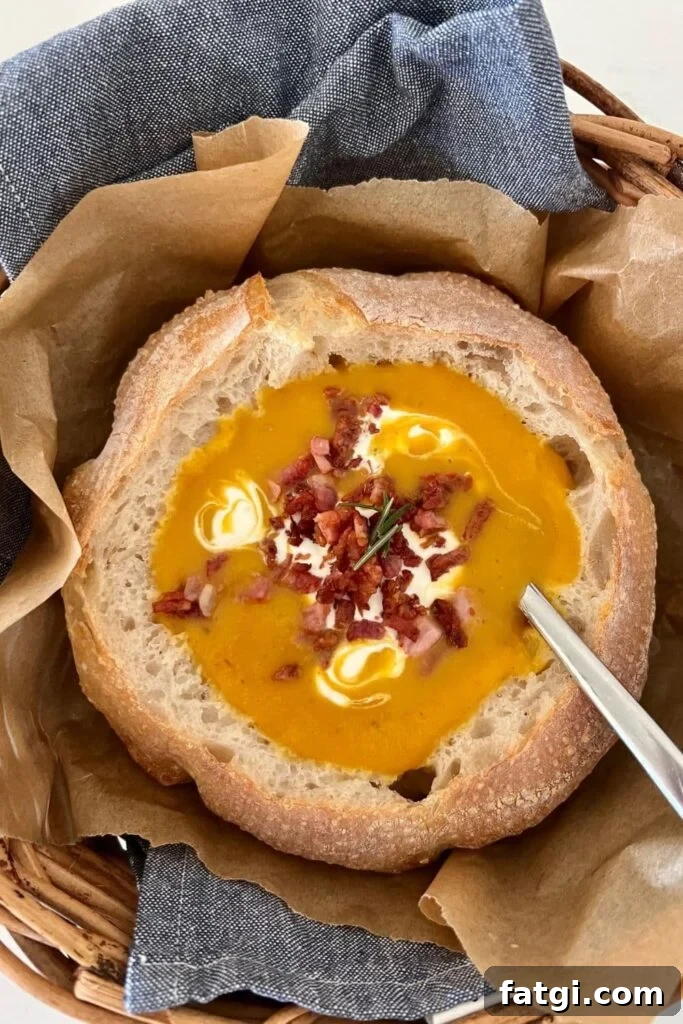
The perfect sourdough bread bowl should be round, sturdy, and deeply baked with a golden crust. It needs enough strength to hold hot soup, but it should still have a tender, chewy interior that tastes wonderful when dipped into the filling.
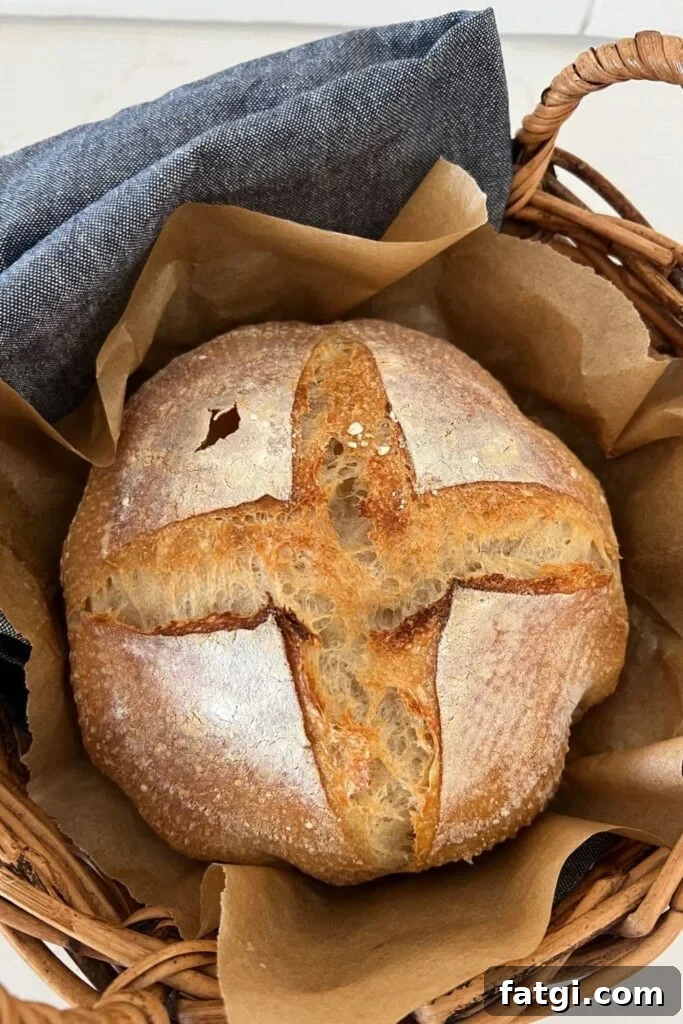
One of the best things about making sourdough bread bowls is that they do not need to look flawless. Since the top is cut off and the center is removed before serving, a simple score is more than enough. A rustic shape, crunchy edges, and blistered crust only make the bread bowls more appealing.
The goal is a strong little loaf with a crisp outside and a flavorful sourdough center. Once hollowed out, it becomes a beautiful edible bowl for thick soups, creamy chowders, and savory dips.
Should I Use Bread Flour or All Purpose Flour?
Bread flour is the best choice for sourdough bread bowls. It has a higher protein content than all purpose flour, which helps the dough build strength, rise well, and develop a better crust. Since these bowls need to hold soup or dip, that extra structure is important.
All purpose flour can be used, but the bread bowls may be softer and may not rise quite as high. If you want sturdy homemade sourdough soup bowls with a chewy texture and crisp crust, bread flour is recommended.
How To Make Sourdough Bread Bowls
Making sourdough bread bowls is straightforward if you are familiar with basic sourdough bread. The dough is mixed, rested, strengthened with stretch and folds, bulk fermented, shaped into small rounds, cold fermented, scored, baked, cooled, and hollowed out.
Before You Start
This recipe makes 2 sourdough bread bowls. You can mix the dough as one batch and divide it after bulk fermentation, or you can divide the ingredients and make two smaller doughs from the beginning. Both methods work, so choose the option that feels easiest for you.
To make 4 bread bowls, double the recipe. To make 6, triple it. A kitchen scale will help keep the dough portions even and give you more consistent results.
Autolyse – Premixing The Dough
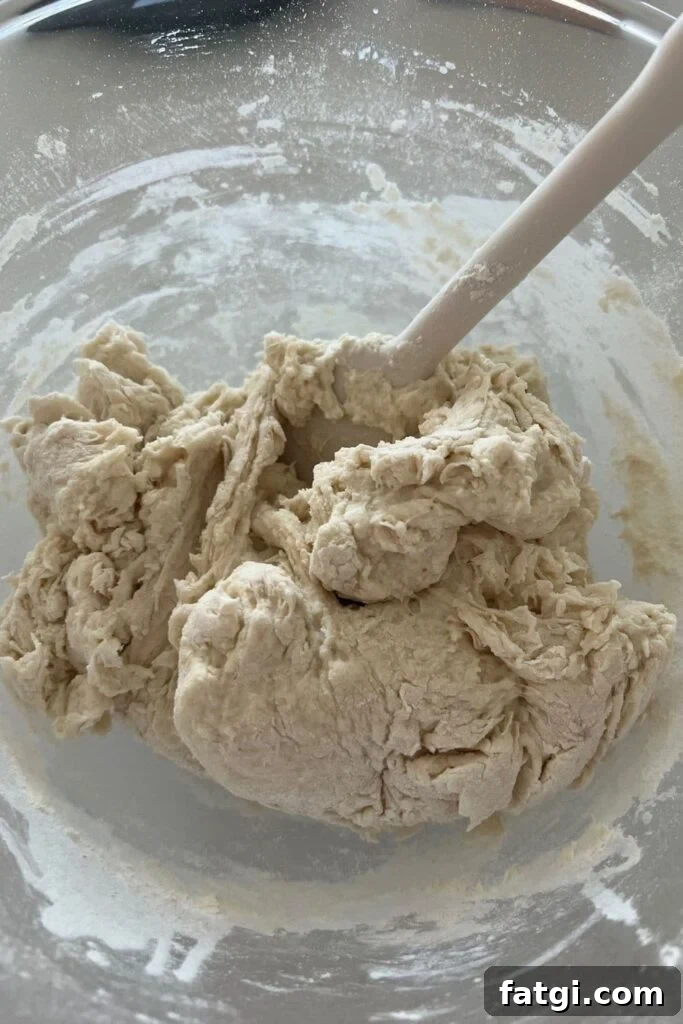
Weigh the sourdough starter and water into a large mixing bowl. Stir briefly to loosen the starter in the water. Add the bread flour and salt, then mix until the dough comes together into a rough, shaggy mass.
At this stage, the dough will look uneven and unfinished. That is normal.
Cover the bowl and let the dough rest for about 1 hour. During this time, the flour absorbs the water and becomes fully hydrated. This rest makes the dough easier to handle and helps begin gluten development.
Forming Up The Dough
After the rest, bring the dough together into a smoother ball. Work around the bowl, lifting the dough from the outside and folding it over into the center. Continue until the dough begins to tighten and form a ball. This usually takes about 20 to 25 folds.
The dough may still feel sticky, but it should become smoother and more elastic as you work with it. Cover the bowl again and let it rest for 30 minutes.
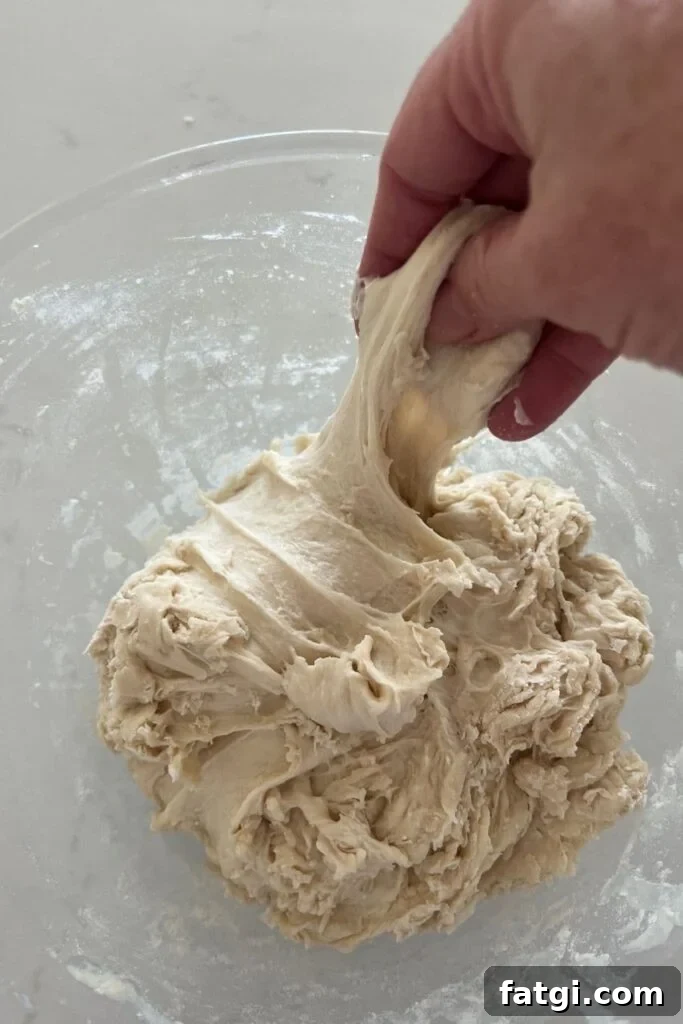
Stretch & Fold – Creating Structure
Over the next few hours, strengthen the dough with stretch and folds. Aim for 4 to 6 sets. For each set, lift one side of the dough, stretch it upward, and fold it over itself. Turn the bowl and repeat until you have folded the dough 4 times.
Allow about 15 minutes between sets. The timing does not need to be exact, but try to complete at least 4 sets over about 2 hours. As the dough strengthens, it will become smoother, more elastic, and easier to handle.
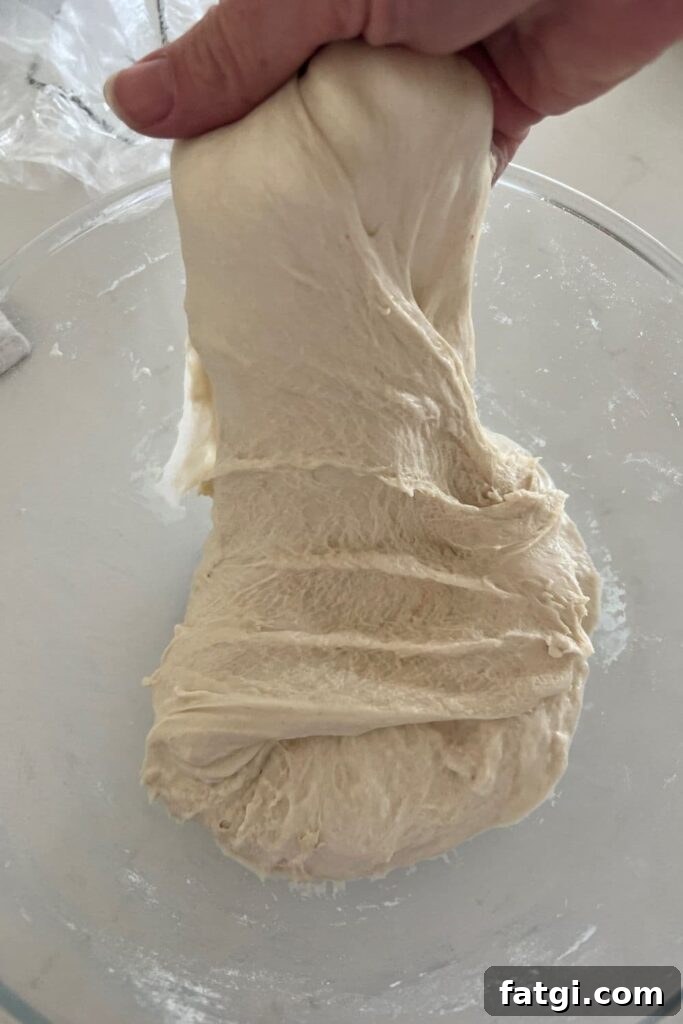
Bulk Ferment
Once the stretch and folds are complete, cover the dough and let it rise until it has just doubled in size. This is the bulk fermentation stage.
The time required will depend on the temperature of your kitchen and the strength of your starter. In a warm room, the dough may ferment quickly. In a cooler room, it may take much longer. Watch the dough rather than the clock. It should look airy, slightly domed, and bubbly.
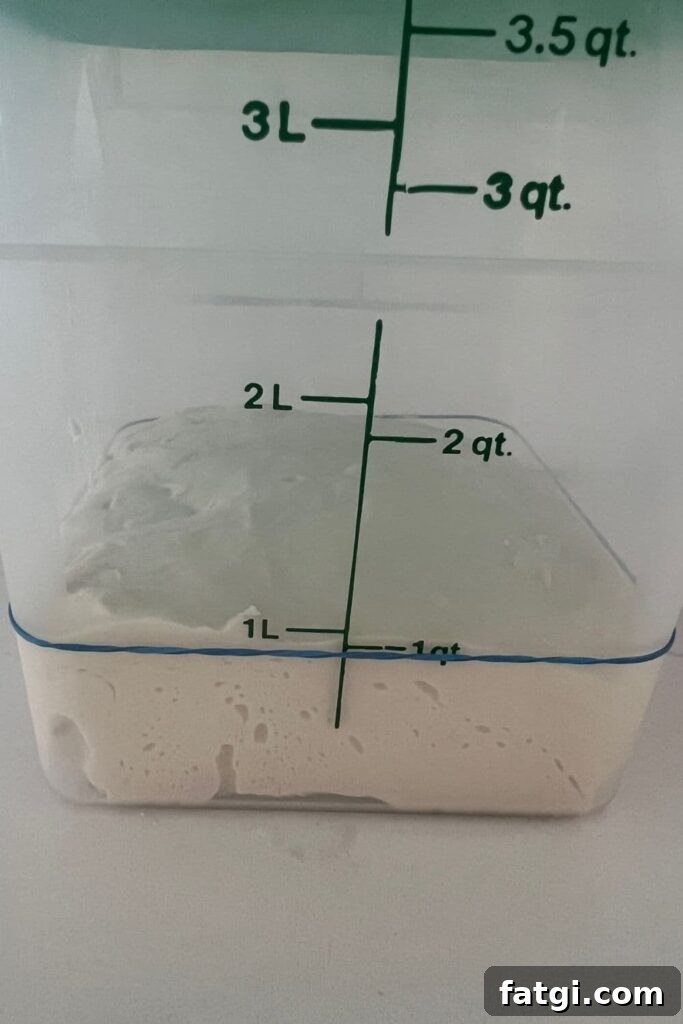
Shaping The Dough
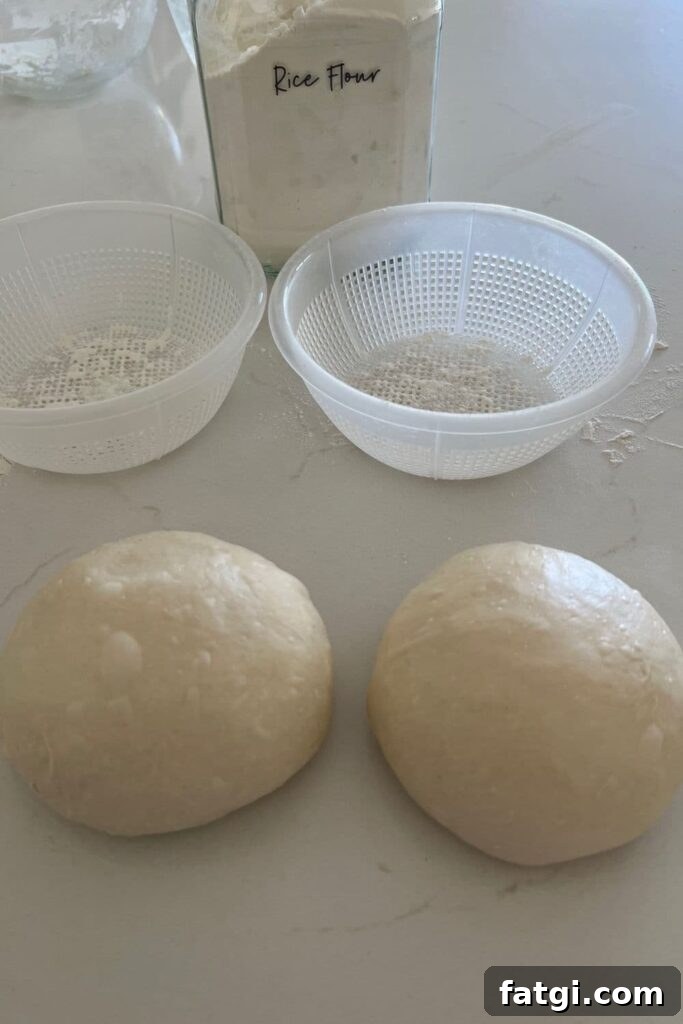
Lightly dust your work surface with rice flour. Use only a small amount, as too much flour can make shaping difficult. Gently release the dough from the bowl and place it onto the counter with the smooth side down and the sticky side facing up.
Divide the dough into 2 equal portions. Each piece should be approximately 480 g. Bring the edges of each piece into the center to form a rough ball. Turn the dough over and gently pull it against the counter to create surface tension, shaping it into a tight mini boule.
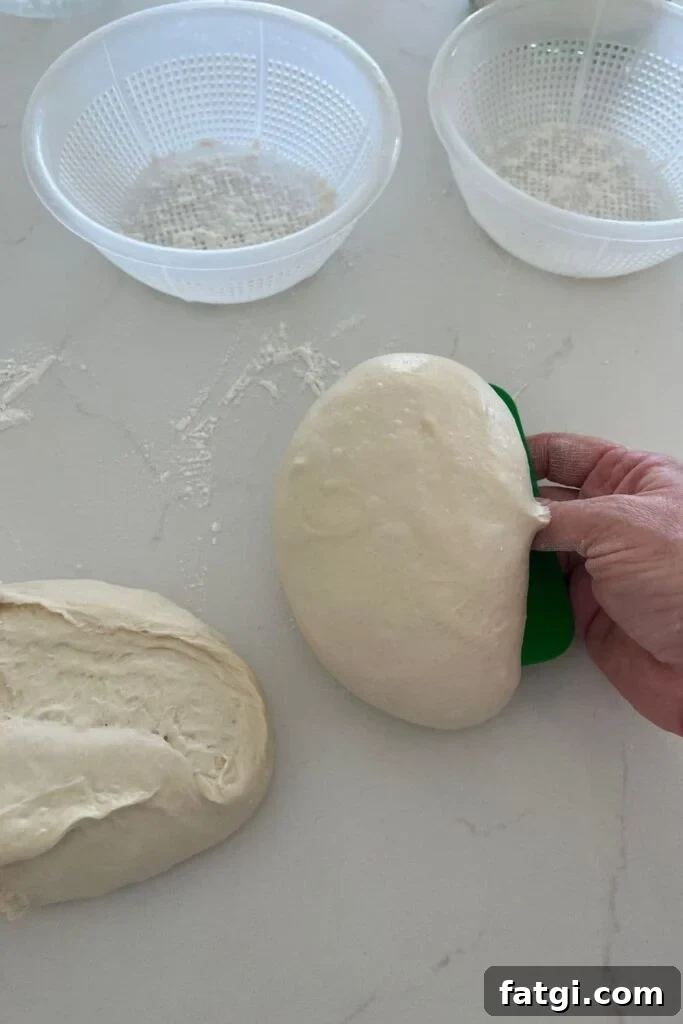
Placing Into A Proofing Container
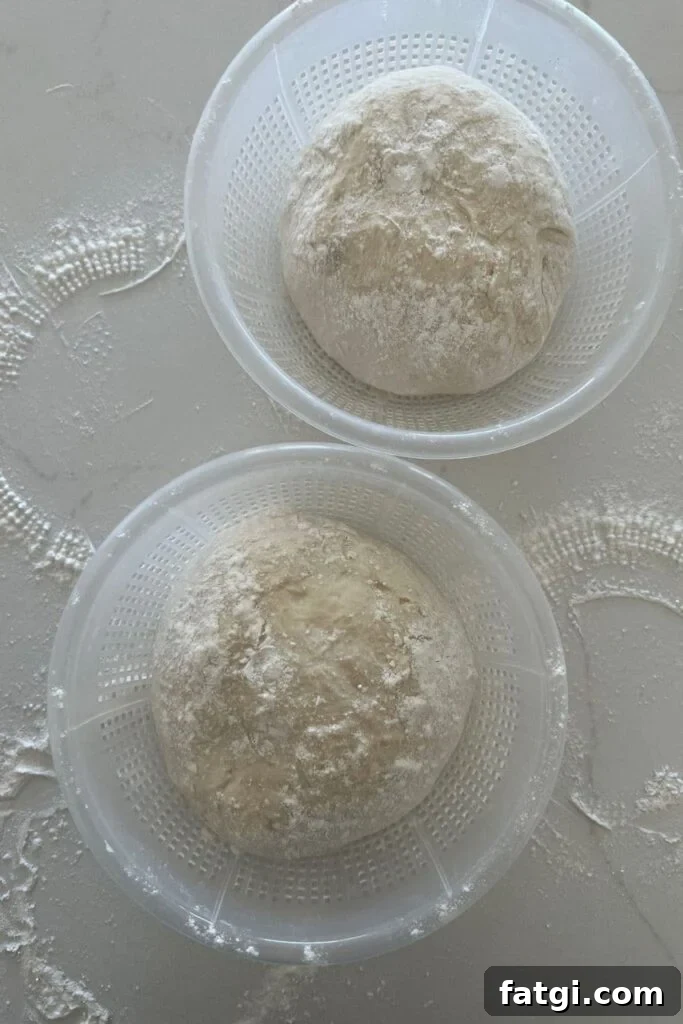
Place each shaped dough ball into a small proofing basket or bowl. If using a banneton or basket, place the dough smooth side down so the seam is facing up. If using a cloth-lined bowl, you may place the smooth side up, as long as the dough has been shaped tightly.
Use a little extra rice flour if needed to prevent sticking. Handle the dough gently so you do not knock out the bubbles created during bulk fermentation. Ricotta baskets, cereal bowls, soup bowls, or small mixing bowls can all work well for proofing small sourdough bread bowls.
Cold Ferment
Cover the shaped dough loosely with a plastic bag or reusable cover and place it in the refrigerator. Chill for at least 5 hours and up to around 36 hours.
A longer cold ferment can improve flavor, help the dough firm up, and encourage a more blistered crust. It also makes the bread easier to score before baking.
Bake Your Sourdough Bread Bowls
Preheat your oven to 230C/450F. Keep the dough in the refrigerator until the oven is fully heated. Cold dough placed into a hot oven helps create better oven spring.
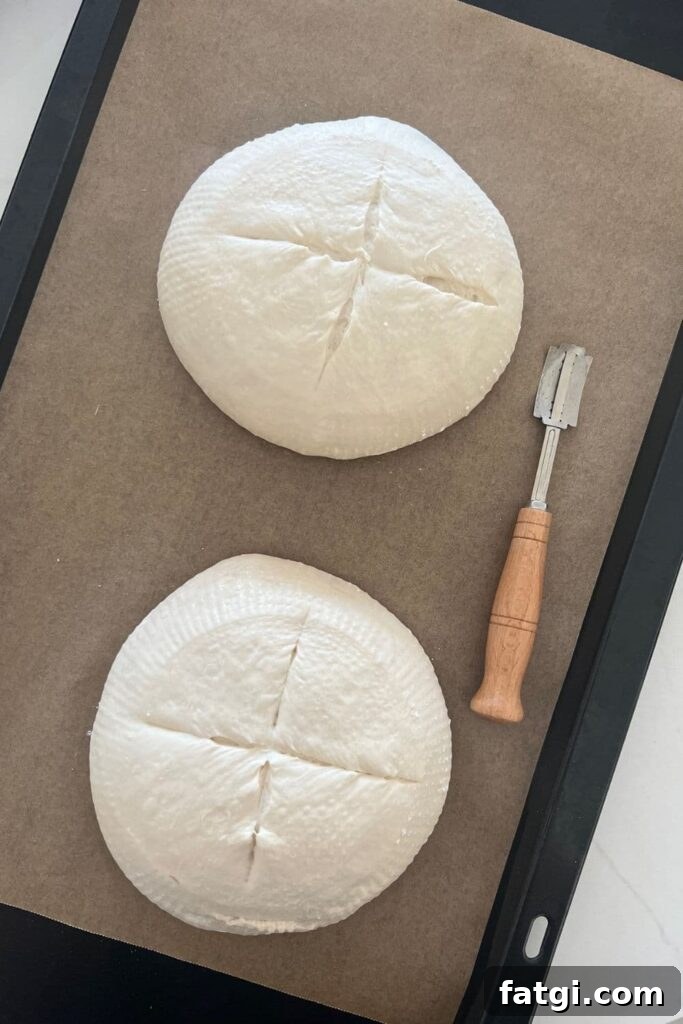
When ready to bake, remove the dough from the fridge and gently place each piece onto parchment paper or a silicone sling. Score the top with a clean razor blade or sharp knife. A simple cross is enough, although you can use any pattern you like.
Bake Bread Bowls With A Dutch Oven
Carefully remove the hot Dutch oven from the oven. Place the bread bowls inside using parchment paper or a silicone sling as a handle. Add the lid and return the Dutch oven to the oven.
You can lightly mist the dough with water before covering if desired.
BAKE TIME:
30 minutes with the lid on at 230C/450F, then
10 to 15 minutes with the lid off at 210C/410F.
Bake Bread Bowls Without A Dutch Oven
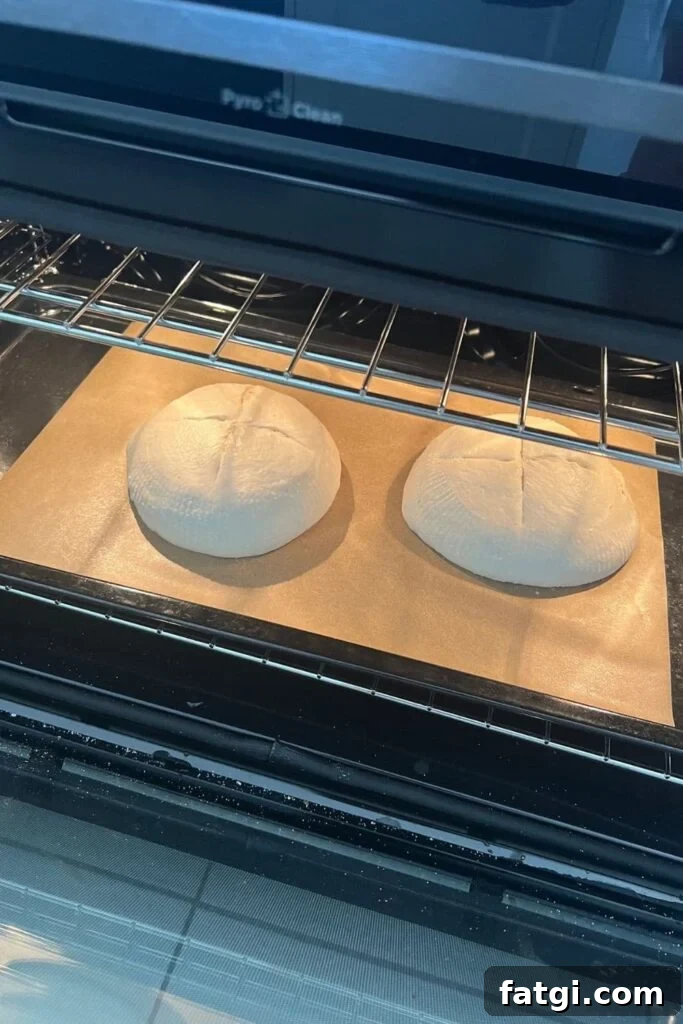
To bake without a Dutch oven, preheat the oven to 230C/450F. If using a baking stone, place it in the oven while it preheats.
Transfer the cold dough to a baking tray, baking stone, enamel roasting pan, casserole dish, or another suitable baking vessel. Score the tops and place the dough into the hot oven.
BAKE TIME:
20 minutes at 230C/450F, then
25 to 30 minutes at 210C/410F.
Finishing The Bake
Remove the sourdough bread bowls from the oven and transfer them to a wire rack. Let them cool completely before cutting. If you hollow them out while they are still warm, the center may become gummy.
Cutting The Sourdough Bread Bowls
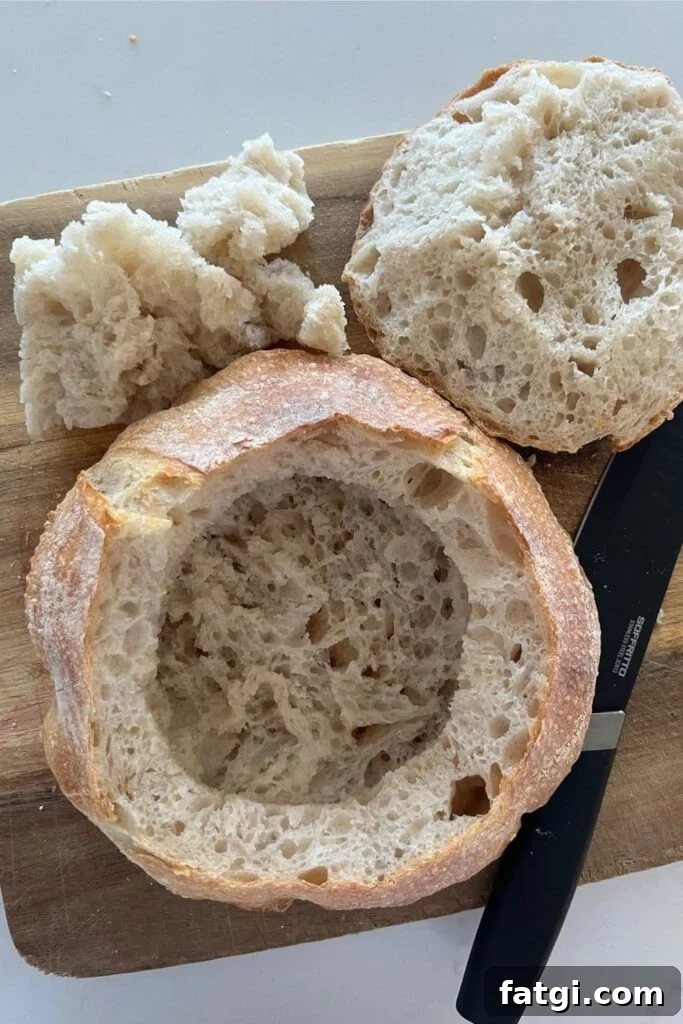
Use a small, sharp knife to cut a neat circle from the top of each loaf. Remove the top and set it aside for dipping into soup or stew.
Use your fingers to gently remove the soft center and form the bowl. Leave enough bread around the sides and bottom so the bowl remains strong. The removed bread pieces can be toasted and served as croutons.
What To Use As Proofing Baskets for Sourdough Bread Bowls?
You do not need special equipment to proof sourdough bread bowls. Look for small containers that support the dough and help it keep a round shape.
- Ricotta baskets, about 6 inches or 16 cm wide
- Cereal bowls
- Soup bowls
- Small mixing bowls
- Small banneton baskets
Dust the container or cloth lightly with rice flour to reduce sticking. The container should be small enough to hold the shape of the dough without letting it spread too much.
What To Serve In Sourdough Soup Bowls
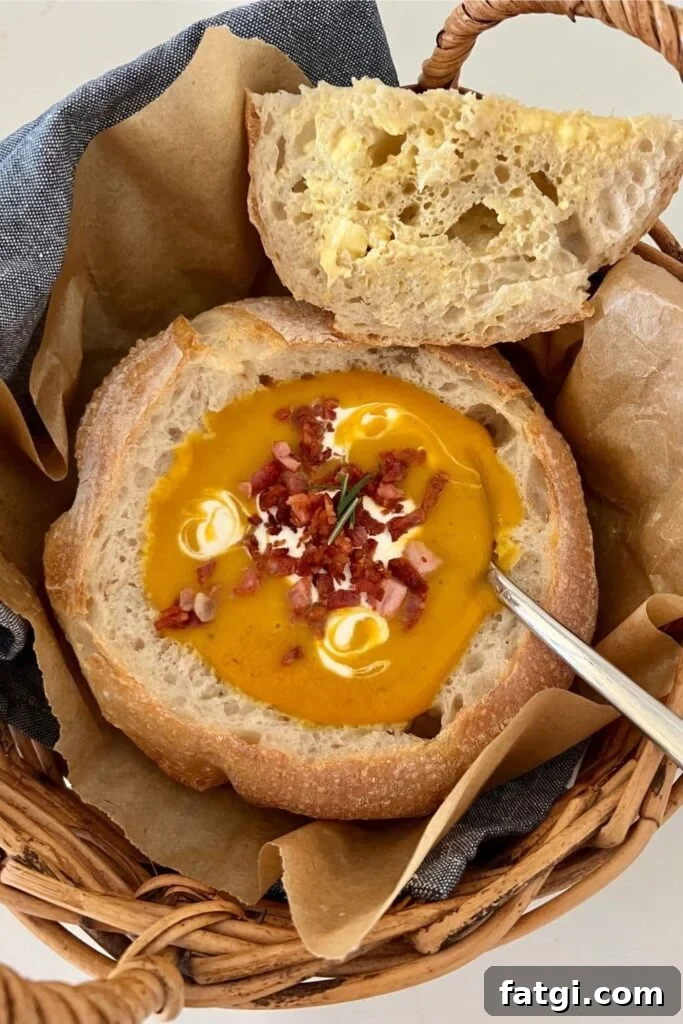
Sourdough soup bowls are best filled with thick soups, stews, chowders, chili, and creamy dips. Thin broths can soak into the bread too quickly, while thicker fillings sit better inside the bowl and give you more time to enjoy the meal.
Clam chowder: A creamy chowder pairs beautifully with the crisp crust and tangy sourdough flavor.
Chili: Thick chili works especially well because the bread absorbs the savory flavors while staying hearty.
Broccoli cheddar soup: Creamy broccoli cheddar soup is rich, comforting, and ideal for serving in a sourdough bread bowl.
French onion soup: A flavorful onion soup with melted cheese can be served in a bread bowl for extra texture and warmth.
Tomato soup: Classic tomato soup becomes even more satisfying when served in a crusty sourdough bowl.
Spinach and artichoke dip: Warm, cheesy dips are excellent in sourdough bread bowls and can be served with the hollowed-out bread pieces.
Beef stew: A thick beef stew is a comforting option, and the bread soaks up the rich sauce as you eat.
Taco soup: A thick taco-style soup with beef, beans, and spices makes a flavorful filling for homemade sourdough bread bowls.
Frequently Asked Questions
You can use an egg wash if you want a darker, shinier crust, but it is not necessary. Egg wash may cause the crust to brown more quickly, so watch the bread closely if you choose to use it.
You do not have to toast the inside before filling it. A well-baked sourdough bread bowl is strong enough to hold thick soups and stews. If you prefer extra crunch, you can lightly toast the inside before serving.
Yes. These bread bowls are excellent for warm and cold dips. You can fill them with spinach and artichoke dip, layered Mexican-style dip, cheese dip, or any thick savory dip you enjoy.


Sourdough Bread Bowl Recipe
Equipment
-
Kitchen scale
-
Small proofing baskets or bowls
Ingredients
- 500 g bread flour
- 350 g water
- 100 g active sourdough starter, fed and bubbly
- 10 g salt, adjust to taste
Instructions
-
Mix the dough: Combine the starter and water in a large bowl. Add the flour and salt, then mix until a shaggy dough forms. Cover and rest for about 1 hour.
-
Form the dough: Stretch the dough from the outside of the bowl and fold it into the center until it becomes smoother and forms a ball. Cover and rest for 30 minutes.
-
Build strength: Complete 4 to 6 sets of stretch and folds, resting about 15 minutes between each set.
-
Bulk ferment: Cover the dough and let it rise until it has just doubled in size and looks airy and bubbly.
-
Shape: Turn the dough onto a lightly floured surface, divide into 2 equal pieces, and shape each piece into a tight round.
-
Cold ferment: Place each dough ball into a small proofing basket or bowl. Cover and refrigerate for at least 5 hours and up to around 36 hours.
-
Bake: Preheat the oven to 230C/450F. Score the cold dough and bake using a Dutch oven or open-bake method as described above.
-
Cool and hollow: Cool completely on a wire rack, then cut a circle from the top and remove the center to create a bread bowl.
Notes
- Flour: Bread flour gives the best structure and crust for sourdough bread bowls.
- Starter: Use a starter that is active, bubbly, and recently fed.
- Fermentation: Bulk fermentation timing depends on room temperature. Move to shaping when the dough has just doubled.
- Baking: Let the bread bowls cool fully before cutting to avoid a gummy interior.
- Serving: Thick soups, stews, chili, chowder, and dips work best.
Nutrition
Nutrition information is automatically calculated and should be used as an approximation only.