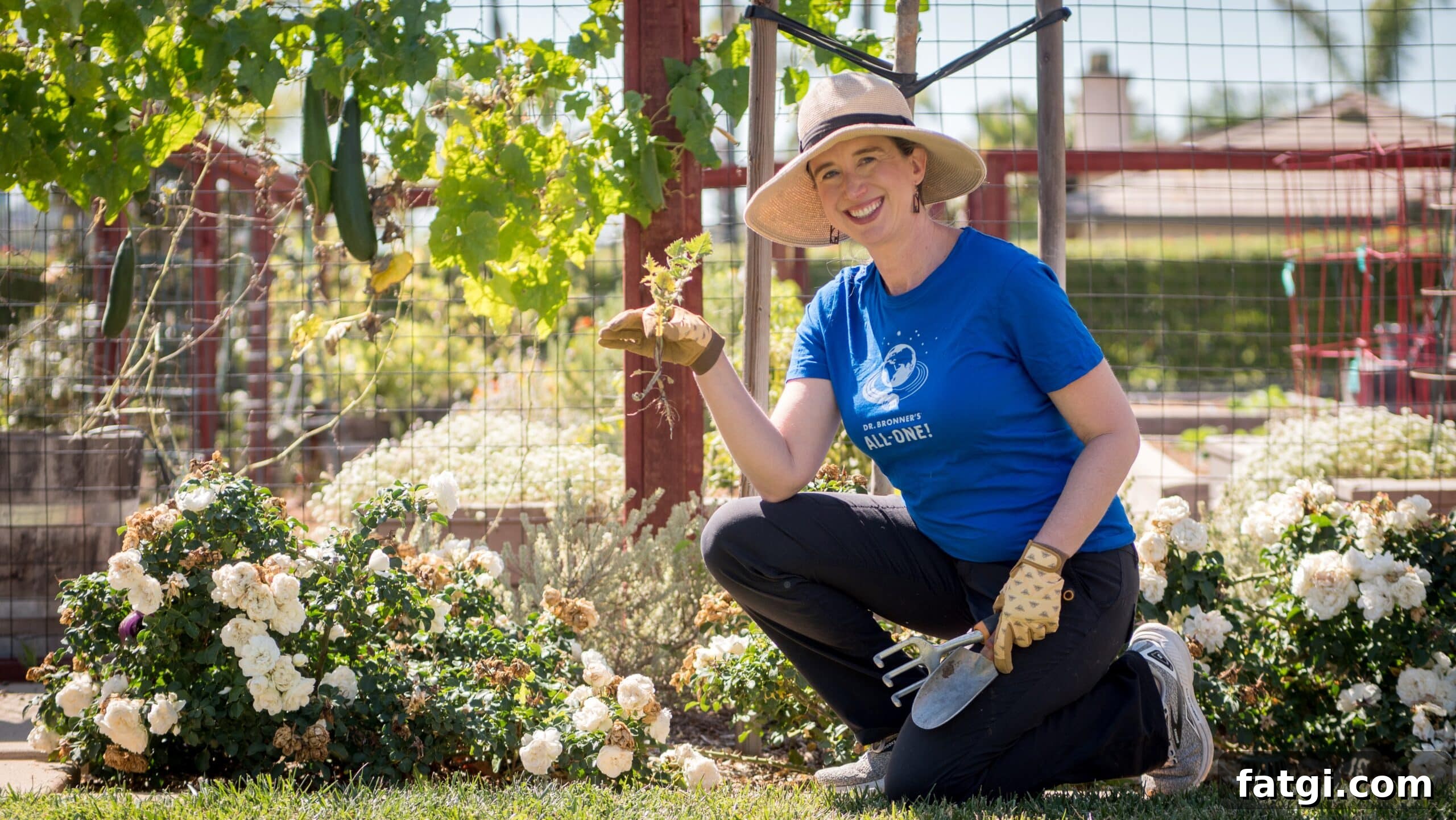
Even if your only outdoor space is a walkway, patio, or small strip of garden, weeds have a way of showing up. They push through cracks, settle into bare soil, and return just when you think you have handled them.
Weeds are resilient, adaptable, and remarkably resourceful. In another context, those qualities might be admirable. In the garden, however, they can quickly become frustrating. People define weeds in different ways. Some see them as misunderstood plants, while others point out that every plant has a role somewhere. For practical purposes, a weed is simply a plant growing where you do not want it.
For more than 20 years, I have lived on the same 2½ acres in rural San Diego County. From the beginning, we chose not to use conventional herbicides on our property. Even when that decision meant more work, we did not want to expose ourselves, our children, our pets, our soil, or our air to the possible unintended consequences of quick chemical fixes.
My approach to home care and yard care is always big-picture. Advertising often suggests that one simple spray can make dirt, odors, pests, or weeds disappear. Sometimes it can, at least temporarily. But convenience is not the only factor worth considering.
If the products we use to make our homes and yards look clean and attractive may affect our health over time, then the tradeoff deserves serious thought. A minor cough can become a chronic breathing issue. A tickle in the nose can become sensitivity to fragrance. A small skin irritation can turn into ongoing redness and discomfort. Fortunately, these are not the only choices. You can maintain clean, beautiful indoor and outdoor spaces without relying on harsh products, but it often means looking past the promises of advertising.
Table of contents:
- Why ditch chemical weed killers?
- Non-toxic weed killer methods that actually work
- Stopping weeds before they start: The best strategy is prevention
- The most targeted weed control of all: physical removal
- Other natural weed control methods
- Unexpected natural weed control methods
- Natural weed killer FAQs
Why ditch chemical weed killers? The case against glyphosate & 2,4-D
When we decided not to use conventional herbicides, we knew we needed strong reasons to resist the appeal of a quick spray. These products are common, easy to apply, and often work fast. At the time, with young children, demanding schedules, and plenty of land to manage, saving time and effort was tempting.
What are glyphosate and 2,4-D, and why are people concerned?
Glyphosate and 2,4-D are active ingredients that have dominated the herbicide market in the United States. Glyphosate, best known under the brand name Roundup, is especially widespread. The World Health Organization classifies glyphosate as a probable human carcinogen and 2,4-D as a possible human carcinogen. The U.S. Environmental Protection Agency, which regulates herbicides, says they are acceptable when used according to label directions.
That phrase, “use as directed,” is where the concern begins. Herbicides applied to plants do not affect only the target plant. Even careful application can involve drift, transfer, and accidental exposure. Wind can carry compounds elsewhere. Children and pets can roll on treated lawns. Sprayers can misfire. Products can be stored improperly or accessed accidentally. For many home gardeners, that risk is simply not worth keeping around.
Glyphosate has also been the subject of major lawsuits. In 2018, Dewayne “Lee” Johnson won a case against Monsanto Co., the maker of Roundup, over allegations that the company failed to adequately warn users about cancer risks. Johnson died in 2020 from non-Hodgkin lymphoma. Bayer, which now owns Monsanto, has settled many glyphosate-related claims while not admitting a link between glyphosate and cancer.
Although glyphosate receives much of the attention, other herbicides also raise concerns. 2,4-D is found in many products and has been scrutinized in relation to endocrine disruption, reproductive issues, and some cancers. Dicamba, widely used in agriculture, is also known for drifting beyond the intended application area.
The best method for controlling weeds depends on what the weeds are, where they are growing, and how large they have become.
The best safe alternatives to Roundup for home gardeners
Avoiding conventional herbicides does not mean surrendering your yard to weeds. There are effective natural weed control methods, but there is no single solution for every situation. The right approach depends on whether the weeds are in paving cracks, garden beds, lawns, bare soil, or larger open areas.
Non-toxic weed killer methods that actually work
Why I use boiling water to kill weeds in my patio
Boiling water is my favorite method for weeds growing through paved surfaces. A friend recommended it, and after one test with a tea kettle, I was convinced.
This method is best for weeds growing through hardscaping, such as patios, walkways, driveways, and paved paths. It works especially well on young weeds under about 8 inches tall.
Here’s the method:
- Boil water in a kettle or use leftover boiling water from cooking.
- Carry it carefully to avoid burns.
- Pour the boiling water directly over the weeds.
That is all. By the next day, the weeds are usually wilted. By the day after that, they are often dried out. In my experience, boiling water can fully desiccate small weeds in paving cracks, although nature will eventually send new seedlings nearby.
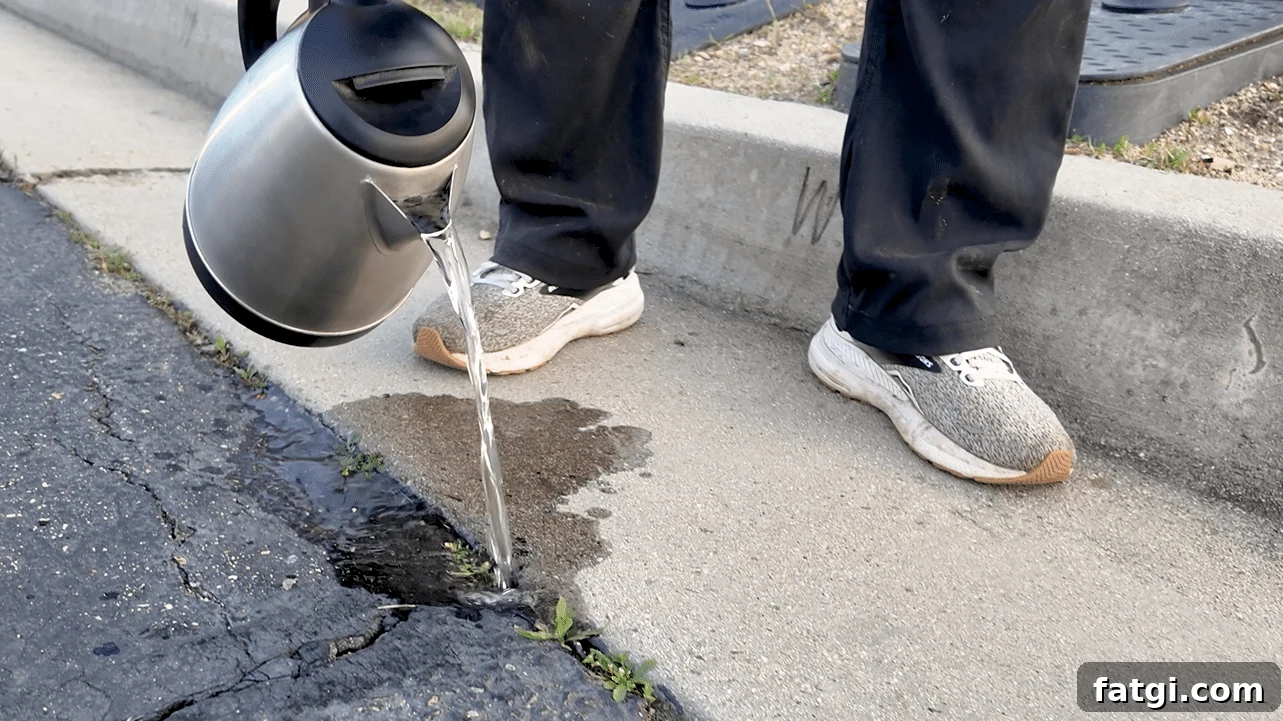
I recommend boiling water only for hard surfaces. It will kill any plant it touches, so it is not appropriate for lawns, flower beds, vegetable gardens, or soil full of beneficial life such as earthworms. It is also impractical for large areas of tall weeds. For patio cracks and walkway seams, however, it is simple, inexpensive, and highly effective.
Why I don’t recommend other natural weed killer recipes
Many homemade weed killer recipes sound appealing, but not all of them are practical, safe for surfaces, or good for soil health. I have researched and tried several popular options, and I do not recommend most of them as general weed control solutions.
Is vinegar good for killing weeds? What you need to know
Vinegar is acidic. Indoors, it must be used carefully because it can damage stone and metal. Outdoors, the same rule applies. Repeated vinegar applications on stone, concrete, or cement can etch or wear the surface.
Kitchen vinegar, usually around 4–5% acidity, often requires multiple applications to affect weeds. Stronger cleaning or horticultural vinegar can be much more acidic and more effective, but it may require protective equipment and can damage surfaces or nearby plants. High-acidity vinegar can also affect soil pH, making it unsuitable for garden beds or planted areas.
Does baking soda kill weeds?
Baking soda may dry out some weeds when applied directly to leaves, but it contains salts that can alter soil chemistry. That can affect desirable plants you may want to grow in the same area later.
How about hydrogen peroxide as a weed killer?
Hydrogen peroxide can damage or kill plants, including weeds. However, it can also bleach and affect minerals in stone and cement. With repeated use, it may cause visible etching on hard surfaces.
The “three-ingredient” natural weed killer: vinegar, salt & dish soap
This homemade weed killer recipe appears often online, but it is not one I recommend. Salt can damage soil and make it difficult to grow healthy plants in the future. On hard surfaces, salt can leave unattractive residue. Vinegar brings the surface and soil concerns already mentioned, and dish soap alone is not a reliable weed killer.
Castile soap & vinegar: non-toxic weed killer?
Castile soap and vinegar do not make an effective weed killer. True soap and vinegar react with each other and break down, leaving neither soap nor vinegar doing its original job. The result can be an oily, unpleasant mess. It may smother some weeds, but the residue is not worth the trouble.
Stopping weeds before they start: The best strategy is prevention
Prevention is one of the best natural weed control strategies. Stopping weeds before they become established saves time, effort, and frustration later.
Plant thickly: use dense planting to crowd out weeds
Dense planting gives desirable plants the advantage. When plants grow close enough to shade the soil and touch each other, weeds have less access to sunlight, moisture, and open space.
Planting ground cover for weed prevention
Ground cover helps prevent weeds by occupying the space weeds would otherwise take. It also protects soil from erosion, water loss, and nutrient loss. Some ground covers, such as legumes, can help build nitrogen in the soil. The best choice depends on your climate, soil, and landscape goals, so local garden experts or nurseries can be helpful resources.
Watering wisely to keep weeds from invading
Water encourages plant growth, including weed growth. Broad sprinklers that wet large areas can support large patches of weeds. Drip lines, soaker hoses, and targeted irrigation deliver water to the plants you want while leaving surrounding weed seeds less supported. In rainy climates, this strategy may be less relevant, but in dry areas it can make a major difference.
Mulching for weed control
Mulch is one of the most useful tools for natural weed control. A thick layer blocks light, protects soil from drying out, reduces erosion, adds organic matter, and can make garden beds look finished and tidy.
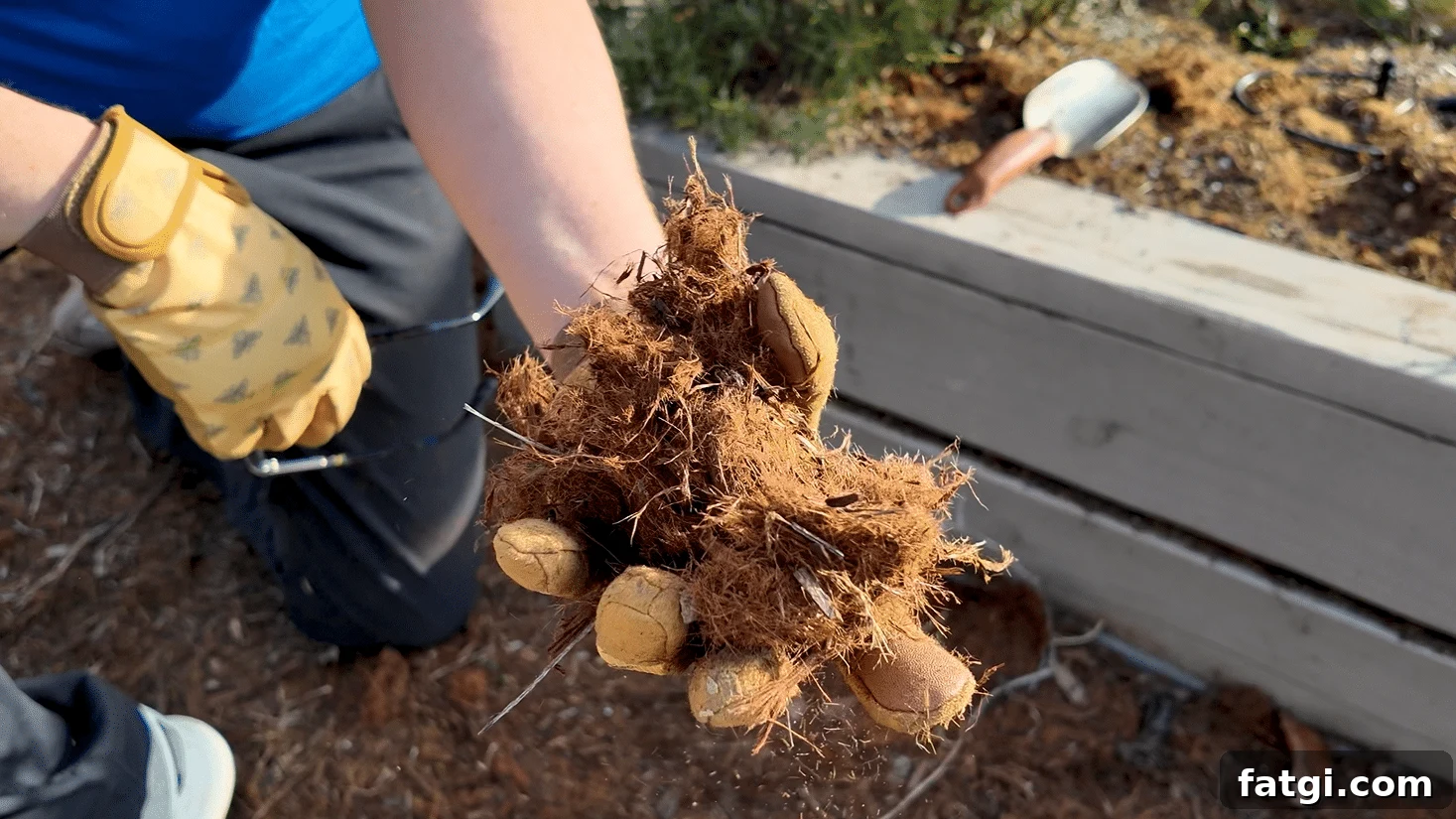
Organic mulch is preferable to synthetic rubber mulch because it breaks down and contributes nutrients to the soil. Gorilla hair mulch is a favorite because it forms a dense mat that holds together well, keeps moisture in, suppresses weeds, and creates a comfortable surface for kneeling or walking.
For mulch to work, apply it generously. A thin layer will not stop determined weeds. Aim for 3–4 inches. It may seem like a lot at first, but it can save many hours of weeding over the year.
Landscape fabric for weed control
Landscape fabric is designed to block weeds while allowing water through. It is not perfect, but it can help when used correctly. Because it is not attractive on its own, it is usually placed under gravel, bark, or mulch. Weeds may still sprout in the material above the fabric, but their roots are often shallow and easy to remove. Used under paths or mulched walkways, landscape fabric can reduce weed pressure and make maintenance easier.
The most targeted weed control of all: physical removal
Physical removal is not glamorous, but it is one of the safest and most effective weed control methods. It is precise, chemical-free, and reliable.
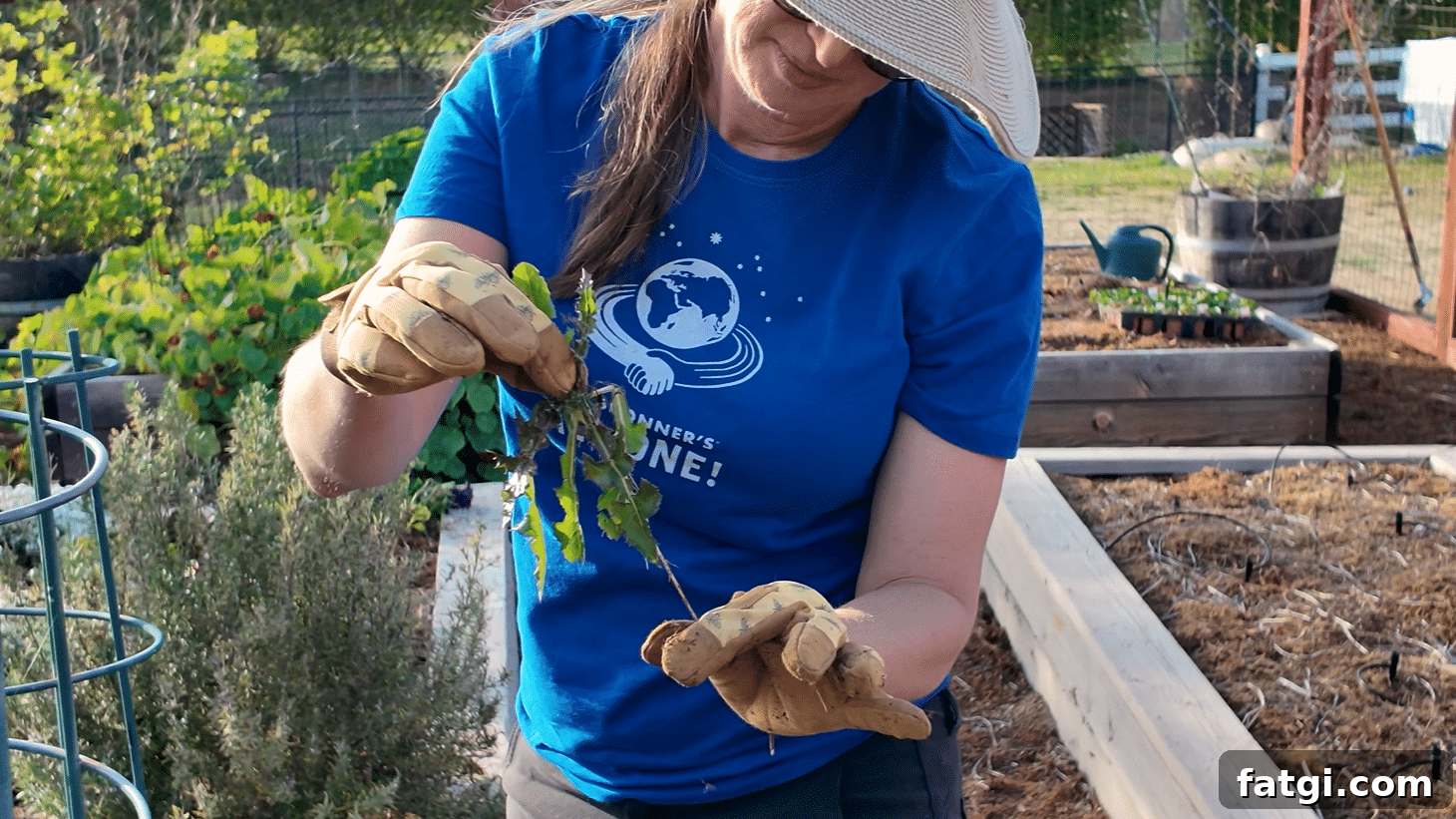
Hand pulling weeds: how to pull weeds so they don’t grow back
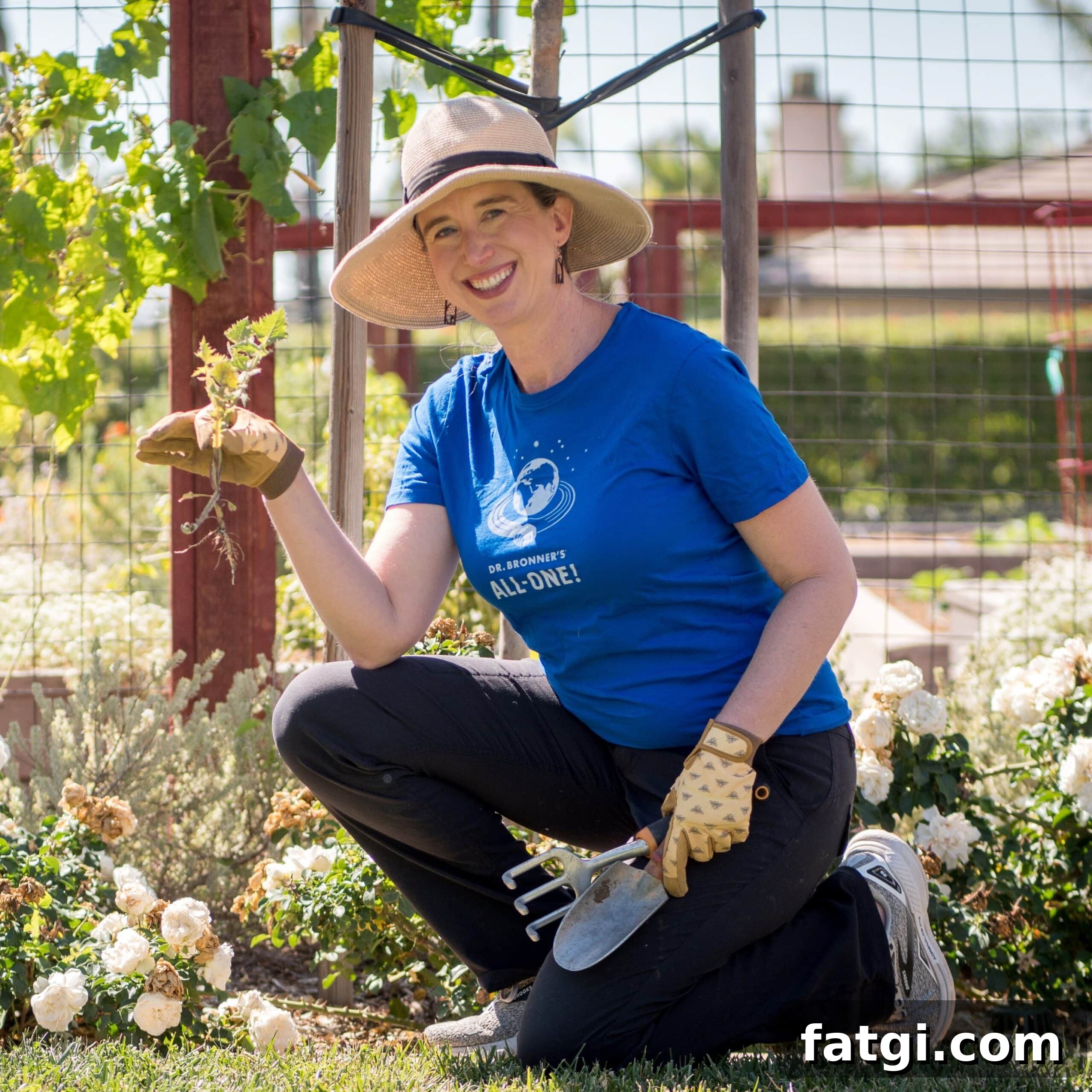
Hand pulling weeds is still one of the best options for garden beds and densely planted areas. It costs nothing except effort and does not risk harming the plants you want to keep.
The key is to use tools that work well for you. A cultivator and a trowel are excellent choices.
Hand pulling is especially useful where sprays, acids, salts, or boiling water would damage nearby plants. A good kneeling pad, a small tool belt, and a clear goal area can make the work more manageable. It can even become quiet, meditative time outdoors.
To make hand weeding easier and more effective:
- Remove the entire root so the weed is less likely to return.
- Weed after rain when the soil is softer.
- Loosen soil around the roots instead of pulling only from the top.
- Remove weeds while they are small.
- Weed regularly so the job never becomes overwhelming.
There’s nothing like a good hoe: the best tool for weeding faster
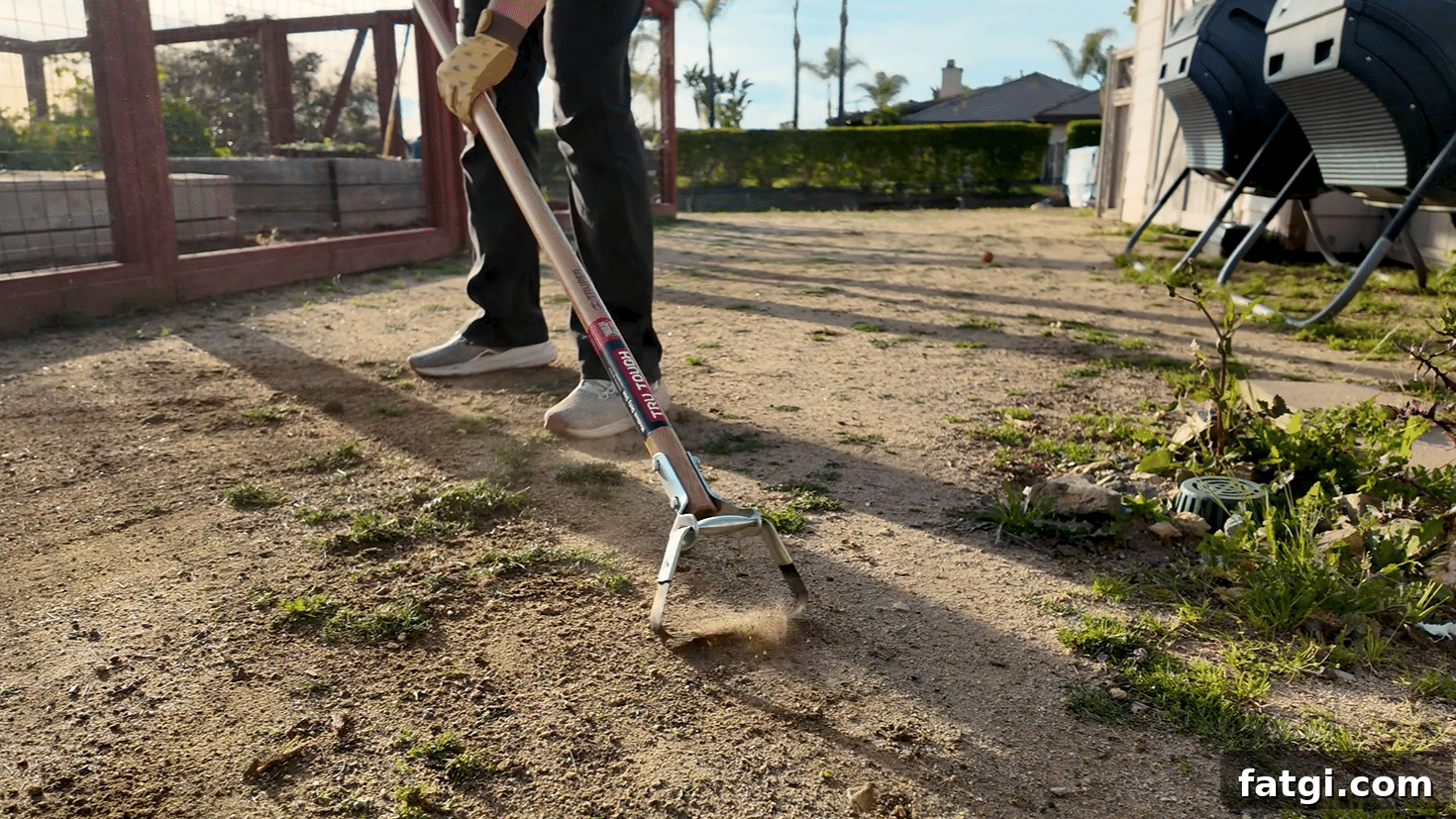
There are many types of hoes, and gardeners often have strong opinions about which is best. For hard-packed native soil, a hula hoe, also called a stirrup hoe, can be especially effective. Keep the blade sharp, hold it at roughly a 45-degree angle, and push and pull it across the surface to cut young weeds efficiently.
Rototilling as natural weed control: pros & cons
Rototilling can chop weeds and turn them into the soil, clearing an area quickly. However, it can also spread weed seeds into loosened soil, where they may germinate easily. It can disrupt soil structure, disturb the soil microbiome, expose nutrients to air and dehydration, and contribute to erosion.
Rototilling can be useful when incorporating a cover crop, especially legumes that add nitrogen to the soil. Even then, shallow tilling is better than deep tilling because it preserves more soil structure while still allowing organic matter to break down.
Other natural weed control methods
What is sheet mulching and how does it kill weeds?
Sheet mulching, sometimes called lasagna gardening, uses layers of organic material to smother weeds and build soil at the same time. It is low-effort once assembled, but it takes patience. Plan on several months before planting.
How to sheet mulch step by step
- Cut existing plants low and leave the clippings in place.
- Add soil amendments such as blood meal or bone meal if desired.
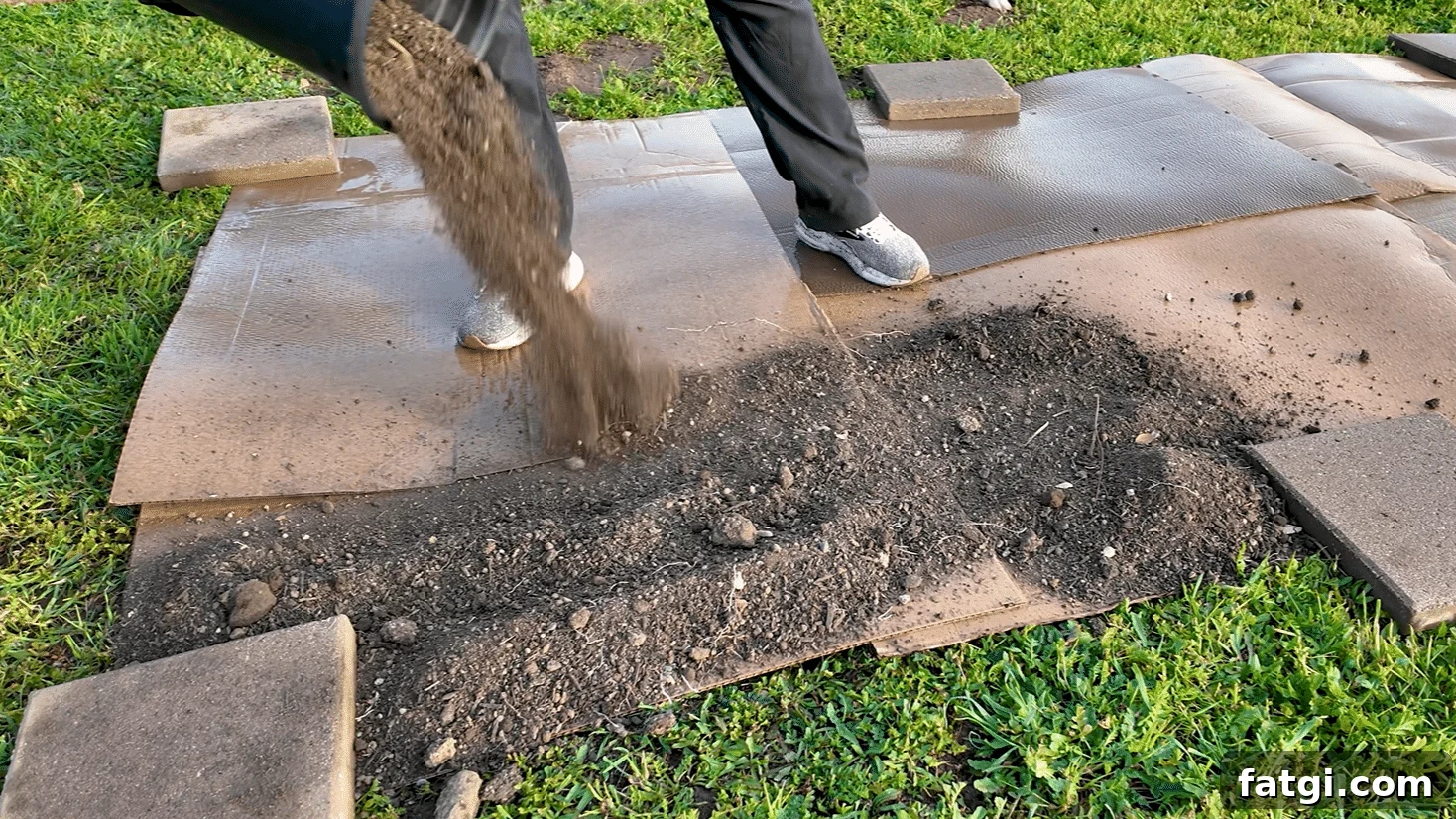
- Lay down cardboard or thick newspaper, overlapping edges so weeds cannot grow through. Avoid glossy paper, remove tape, and use minimal colored ink.
- Wet the paper or cardboard thoroughly.
- Add 2–3 inches of nitrogen-rich compost, such as decomposed manure, vegetable scraps, or fresh grass clippings.
- Add carbon-rich material such as dried leaves, straw, pine needles, or sawdust. Alternate layers until the pile is about 12–18 inches deep.
- Water everything again and allow it to decompose.
Keep the layers moist if your weather is dry. Over time, the materials break down, the weeds are smothered, and the area becomes a nutrient-rich place to plant.
Tarping & solarizing weeds: using sun & darkness to kill weeds
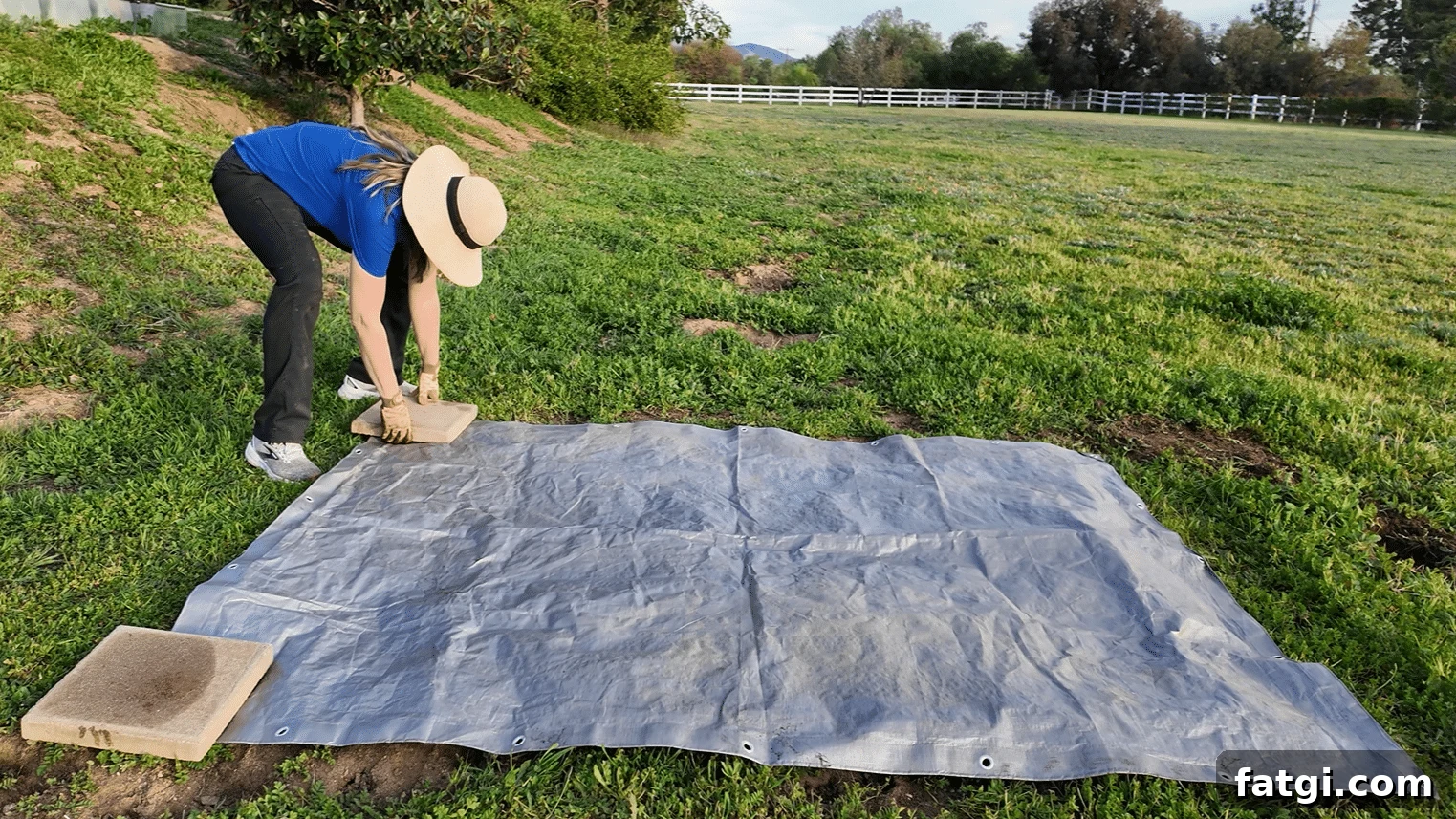
Tarping or solarizing can clear a patch of weeds without chemicals. Spread a tarp or thick layer of newspaper over the area, weigh down the edges, and leave it for about two weeks. Heat from the sun and lack of light will weaken or kill the weeds beneath.
Check the area after two weeks. Do not leave plastic tarps in place longer than needed, because extended coverage can harm soil life and may cause the tarp to break down.
Flame weeding: using a weed burner to kill weeds naturally
A flame weeder uses heat to damage or burn weeds. It is targeted and chemical-free, but it must be used with great caution. In dry or wildfire-prone areas, it may be too risky. If you live in a humid region and choose this method, learn how to use the tool safely before beginning.
Mowing for weed control
A large open field may not need intensive landscaping to be useful. Regular mowing can control weed height, reduce fire-prone brush, and prevent many plants from producing sticky or barbed seeds that can get caught in pets’ coats or ears.
Mowing also keeps plant matter on the soil, helping reduce erosion and returning nutrients as clippings break down. In spring, a regularly mowed field can look lush and green without the heavy inputs required by a traditional lawn.
Unexpected natural weed control methods
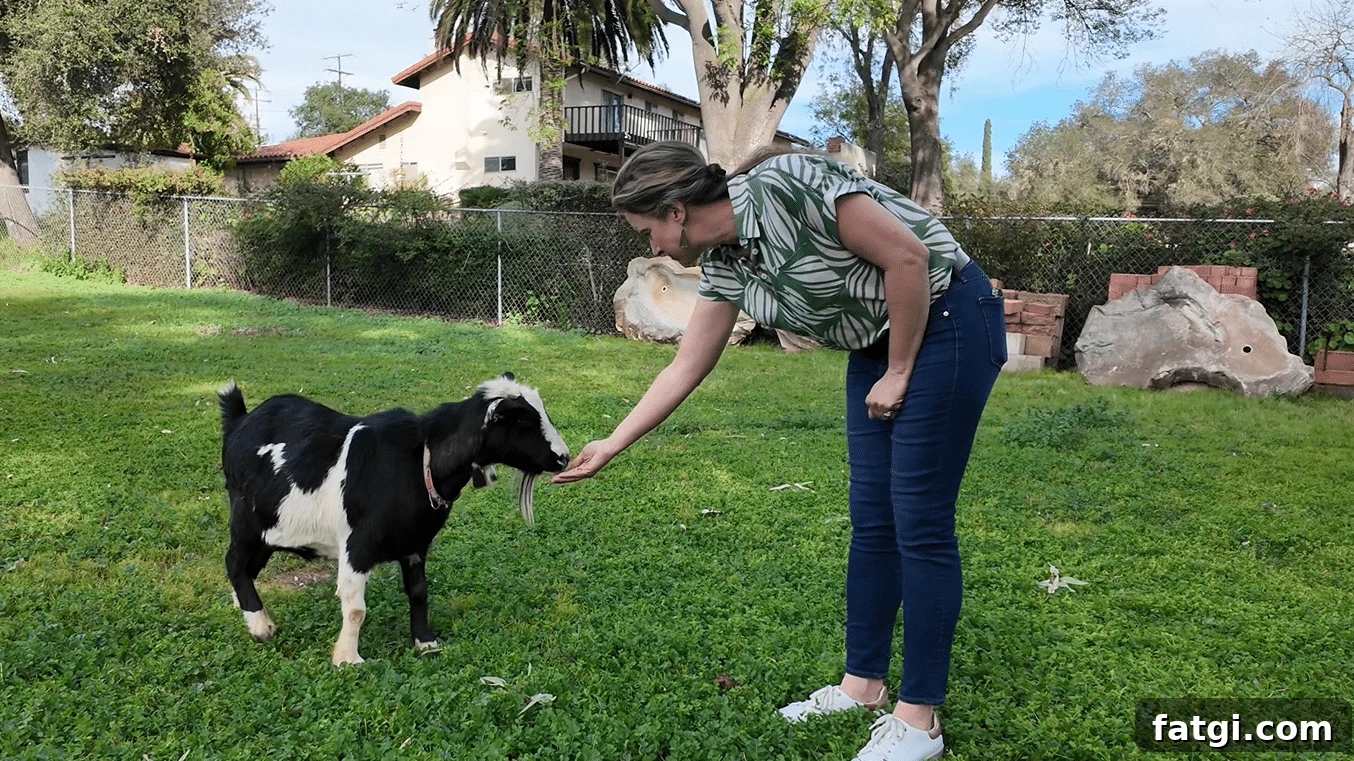
Using chickens & goats for natural weed control
Goatscaping is the use of goats to manage weeds and brush. In some areas, people can rent goat herds for land clearing. Chickens can also help by scratching and eating young plants. Both goats and chickens are not selective, so they may eat desirable plants as well as weeds. Their droppings, however, can nourish the soil. This approach is best suited to areas where animals can be safely contained and where you are not trying to preserve delicate plantings.
Edible weeds: the weeds you should be eating instead of killing
Some plants commonly called weeds are edible. Dandelion greens, purslane, and sorrel are examples that may appear in farm boxes or gardens. If a plant is edible and welcome, it stops feeling like a weed.
Never eat plants unless you can identify them with certainty, and be sure they have not been sprayed with pesticides or herbicides. If they are safe and clean, some so-called weeds can become part of a meal rather than a yard problem.
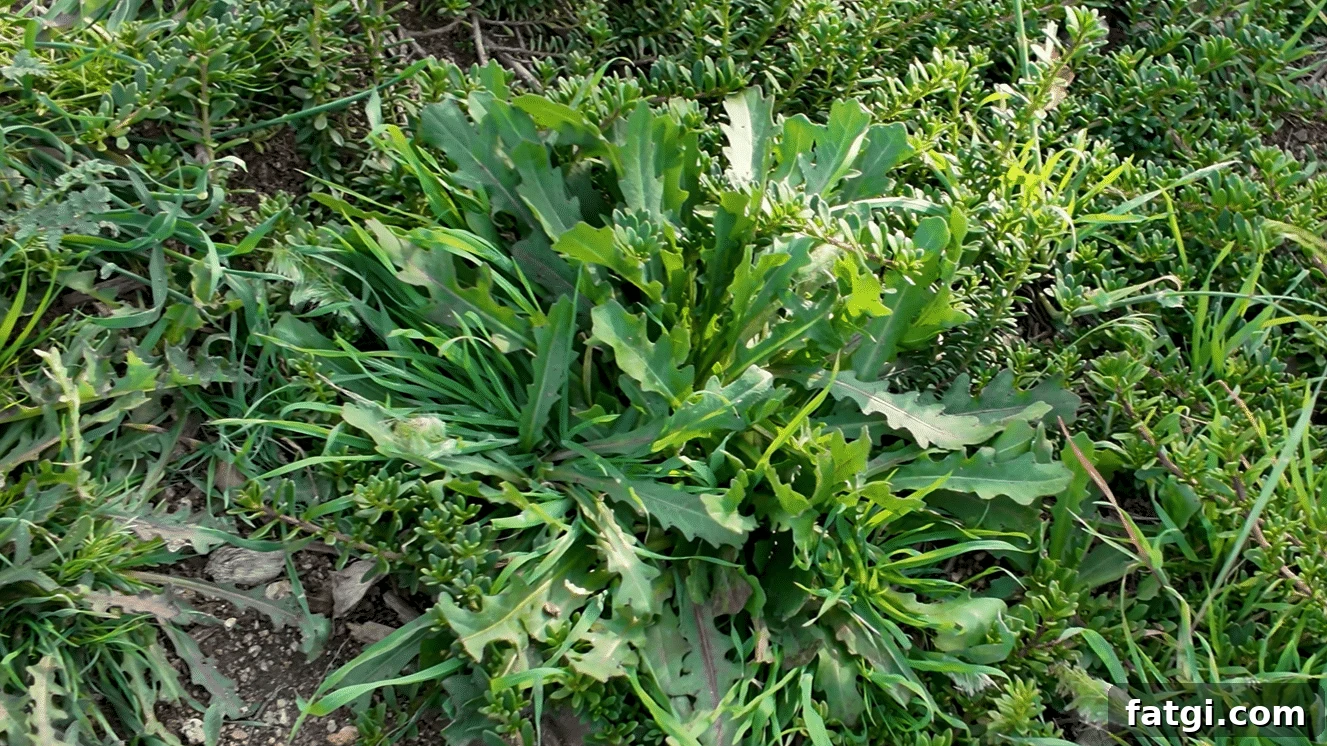
Understanding beneficial weeds
Some unwanted plants can provide benefits. Clover, for example, works well as a ground cover, helps retain soil moisture, crowds out other weeds, and attracts bees. If you grow flowering fruits or vegetables, pollinators are essential. Before removing every volunteer plant, consider whether it may be helping your yard.
Natural weed killer FAQs
Is homemade weed killer safe for pets?
It depends on the method. With boiling water, keep pets away during application, but there is no residue afterward. Ingredients such as salt, baking soda, or soap may cause distress if pets ingest them.
How do you stop weeds from growing?
The best prevention methods include dense planting, ground cover, mulch, landscape fabric, and targeted irrigation that waters desirable plants rather than bare soil.
What is sheet mulching?
Sheet mulching is a weed-control and soil-building method that layers amendments, cardboard or newspaper, moist compost, and dry organic matter. The layers smother weeds and decompose over several months.
Can I use homemade weed killer in a vegetable garden?
It is better not to use homemade weed killer sprays in vegetable gardens. Use mulch to prevent weeds, and remove weeds by hand or with a hoe.
Does boiling water kill weeds permanently?
Boiling water can completely kill small, tender weeds, especially in paving cracks. Larger weeds with deep roots may require pulling, hoeing, or another method.
How do you stop weeds from growing through mulch?
Use enough mulch. A layer of 3–4 inches is usually far more effective than a thin covering.
Putting it all together
Weeds can be controlled without toxic herbicides, but natural weed control works best as a combined strategy. There is no single natural spray that solves every problem. Prevention, dense planting, mulch, ground cover, careful watering, boiling water for hardscaping, and regular hand pulling all have a place.
Once good systems are in place, weed control becomes much easier. A little planning and effort at the beginning can save a great deal of work later. More importantly, it creates a healthier outdoor space for people, pets, soil life, and the land itself.
Further reading:
- Castile Soap Garden Spray
- How to Green Clean Outdoor Spaces
- Gardening Regeneratively at Home
- Grow Something