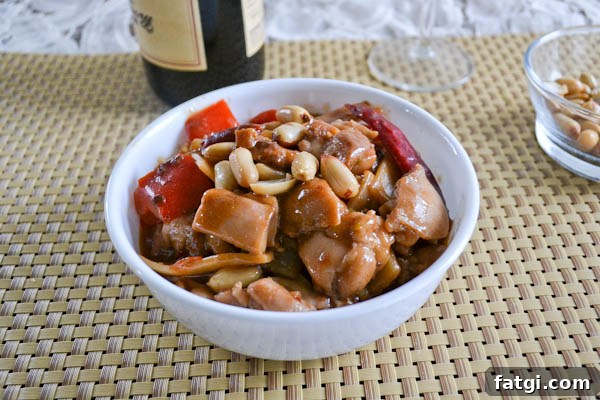
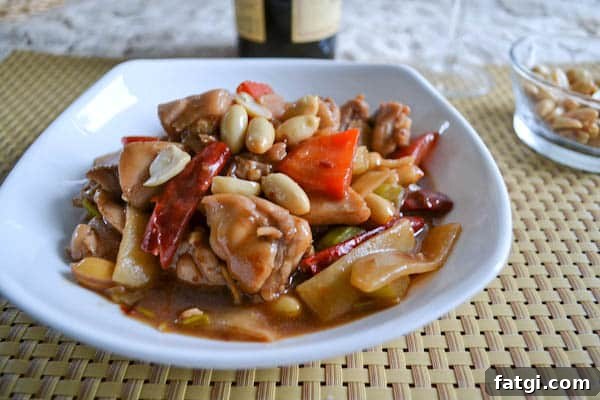
My family often dines at a Malaysian restaurant in Vancouver to celebrate birthdays and special occasions. Our go-to order is Kung Pao chicken. Traditionally a spicy dish, we usually request a milder version. I finally decided to make Kung Pao chicken at home over the weekend and was pleased with the result.
Kung Pao chicken is a widely loved Chinese stir-fry that typically includes diced chicken, crunchy vegetables, peanuts and dried chilies. Variations use beef, pork, shrimp or tofu in place of chicken. In this recipe the chicken is briefly marinated, quickly stir-fried, and then combined with vegetables and a tangy, savory sauce. The finished dish is moist, flavorful and has a bright kick that balances sweet, salty and tangy notes.
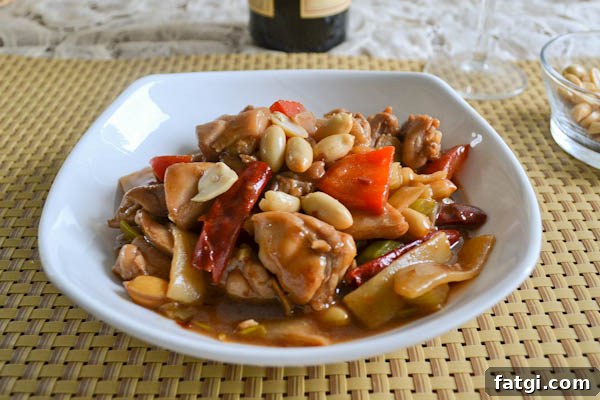
Cooking Tips for Perfect Kung Pao Chicken
To achieve an authentic texture and flavor, marinating the chicken is essential. Use oyster sauce (or a combination of soy sauce and a touch of sugar if you need a substitute), a splash of rice wine or dry sherry, and a little cornstarch. Marinate for at least 10–30 minutes—this seasons the meat and keeps it tender during high-heat cooking.
Use a wok or large skillet and make sure it’s very hot before you begin stir-frying. High heat cooks ingredients quickly and keeps vegetables crisp. Do not overcrowd the pan; cook the chicken in two short batches if necessary so each piece sears properly. Cut vegetables into uniform pieces for even cooking. Bell pepper and celery are classic choices; zucchini, carrots, or snap peas also work well.
Toast the peanuts lightly in the pan before adding them to the finished dish to bring out their nutty flavor. If you prefer a milder heat, reduce the number of dried red chilies or remove the seeds. For a spicier version, increase the chilies or add a teaspoon of chili-garlic sauce to the sauce mix.
Serving Suggestions and Storage
Kung Pao chicken is best served over steamed jasmine rice, which soaks up the sauce, or tossed with fried rice or noodles for a heartier meal. Serve with a side of stir-fried greens such as bok choy, broccoli, or Chinese broccoli for balance.
Store leftovers in an airtight container in the refrigerator for up to three days. Reheat gently in a skillet over low to medium heat to preserve moisture; avoid microwaving at high power as chicken can dry out. If you want to freeze the dish, do so without the peanuts—add fresh roasted peanuts after reheating for the best texture.
Frequently Asked Questions
Can I use chicken breast instead of thighs?
Yes. Boneless skinless chicken breast can be used but cooks faster and can dry out, so watch the cooking time carefully. Cutting the breast into uniform small pieces and not overcooking helps keep it tender.
What if I don’t have oyster sauce?
Oyster sauce adds depth and a subtle sweetness. If you don’t have it, use soy sauce with a small pinch of sugar or a splash of hoisin sauce. The flavor will be slightly different but still delicious.
How should I store leftovers?
Keep leftovers in an airtight container refrigerated for 3–4 days. Reheat in a skillet with a splash of water or broth to refresh the sauce and keep the chicken moist.
Can I make this dish ahead of time?
Yes. You can prepare and store the marinated chicken and chopped vegetables separately in the refrigerator; stir-fry and combine just before serving for the best texture.
What vegetables can I add?
Common additions include bell pepper, celery, bamboo shoots and scallions. You can also add zucchini, carrots, snap peas, or broccoli—just keep pieces similar in size for even cooking.
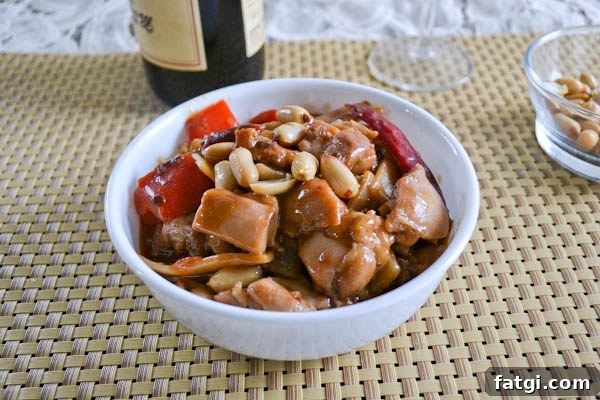
Kung Pao Chicken
Tender chicken tossed with crisp vegetables, roasted peanuts and a savory, slightly tangy sauce. Easy to prepare and full of flavor.
Prep Time: 25 mins
Cook Time: 15 mins
Total Time: 40 mins
Servings: 4
Calories: 450 kcal (approx.)
Course: Main Course
Cuisine: Chinese
Ingredients
- 1 lb boneless skinless chicken thighs, cut into 1-inch pieces
- 2 tablespoons oyster sauce
- 1 teaspoon cornstarch (for marinating)
- 3 tablespoons vegetable oil, divided
- 4 small dried red chilies (use 8 for spicy)
- 4 cloves garlic, chopped
- 2 stalks celery, diced
- ½ red bell pepper, diced
- 1 8oz can sliced bamboo shoots, drained
- 2 teaspoons cornstarch dissolved in 1 tablespoon water (slurry)
- 1/3 cup roasted peanuts
Sauce
- ¼ cup balsamic vinegar
- ¼ cup chicken broth
- 3 tablespoons Chinese rice wine or dry sherry
- 2 tablespoons hoisin sauce
- 1 tablespoon soy sauce
- 2 teaspoons sesame oil
- 2 teaspoons chili garlic sauce
- 2 teaspoons sugar
Instructions
- Combine the oyster sauce and 1 teaspoon cornstarch in a bowl and stir to coat the chicken pieces thoroughly. Let the chicken stand for about 10 minutes to marinate.
- In a separate bowl, whisk together all sauce ingredients and set aside.
- Heat a skillet or wok over high heat. Add 2 tablespoons oil and swirl to coat. Add the dried chilies and cook until fragrant, about 10 seconds.
- Add the chicken and stir-fry for 3–5 minutes until no longer pink. Transfer the chicken to a plate and set aside.
- Using the same skillet, add the remaining 1 tablespoon oil. Add the chopped garlic and cook, stirring, until fragrant, about 10 seconds.
- Add the diced celery, bell pepper and bamboo shoots. Stir-fry for 2 minutes until the vegetables are crisp-tender.
- Return the chicken and chilies to the skillet and stir-fry for an additional minute.
- Pour in the prepared sauce and bring to a boil. Stir in the cornstarch slurry and cook, stirring, until the sauce thickens and becomes glossy. Stir in the roasted peanuts to coat.
- Transfer the Kung Pao chicken to a serving plate and serve immediately with steamed rice.
Notes
This recipe is adapted from a classic stir-fry method. Adjust the number of dried chilies or the amount of chili garlic sauce to suit your preferred heat level. For best texture, do not overcrowd the pan and use high heat when stir-frying.
Nutrition (approximate per serving)
Calories: 450 kcal • Carbohydrates: 20 g • Protein: 30 g • Fat: 30 g • Saturated Fat: 5 g • Cholesterol: 100 mg • Sodium: 800 mg • Fiber: 3 g • Sugar: 6 g
Tried this recipe? Let us know how it turned out in the comments below.