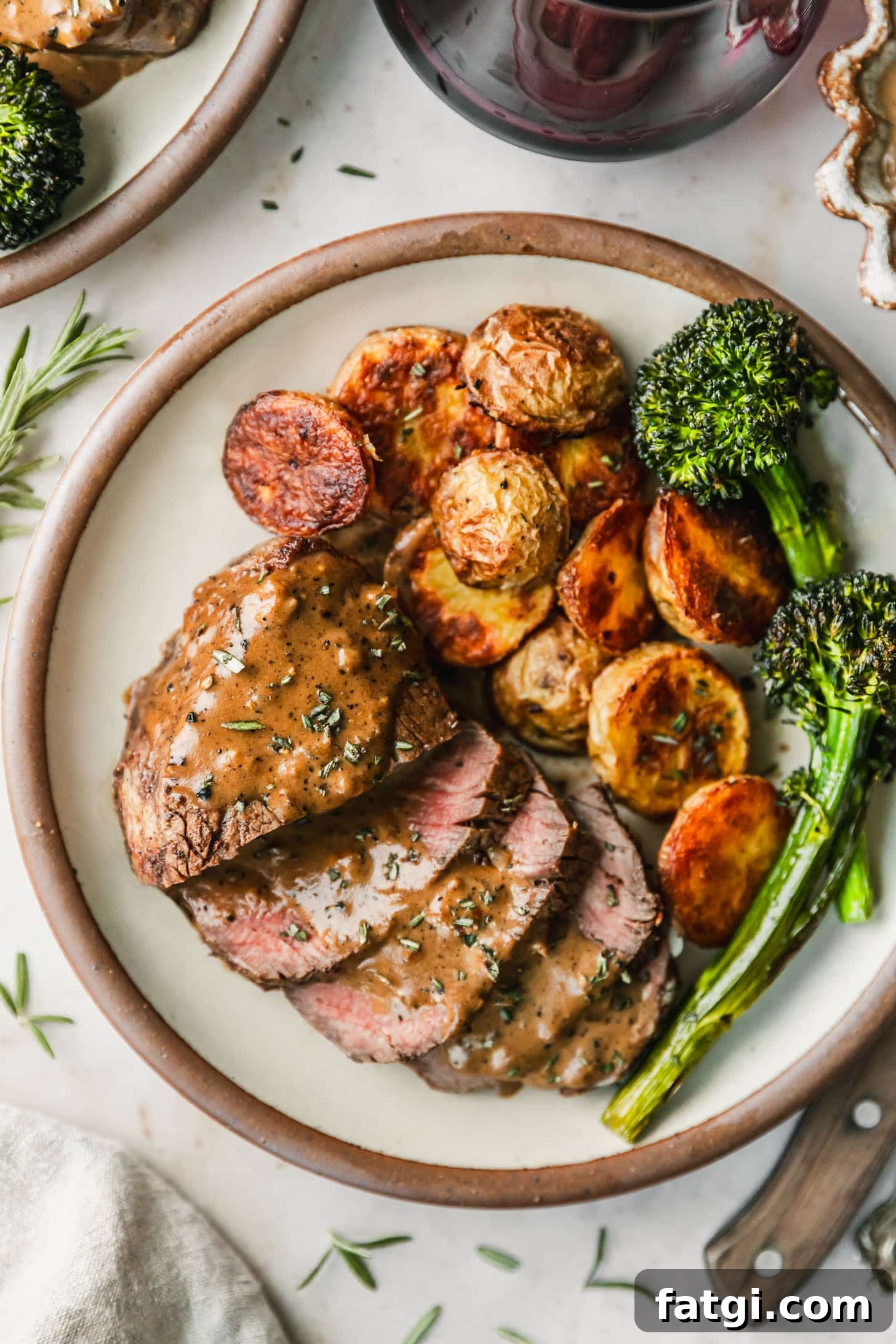
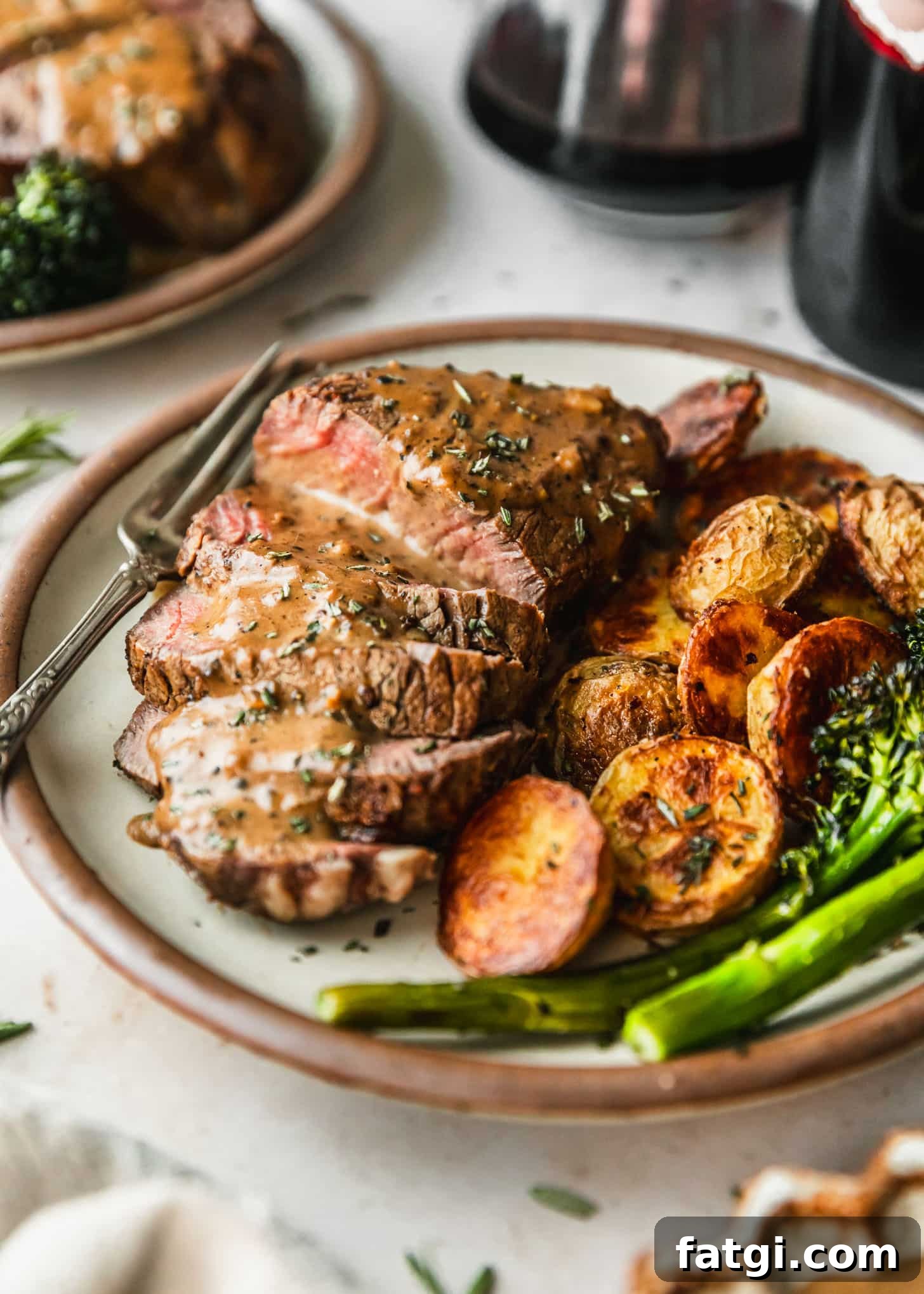
Today I’m sharing how to reverse sear filet mignon for a romantic dinner at home. Paired with a silky brandy peppercorn sauce, this is an elevated yet simple recipe that works perfectly for date night or an elegant evening with friends. Pour a glass of wine, set the table, and enjoy a restaurant-quality steak made in your kitchen.
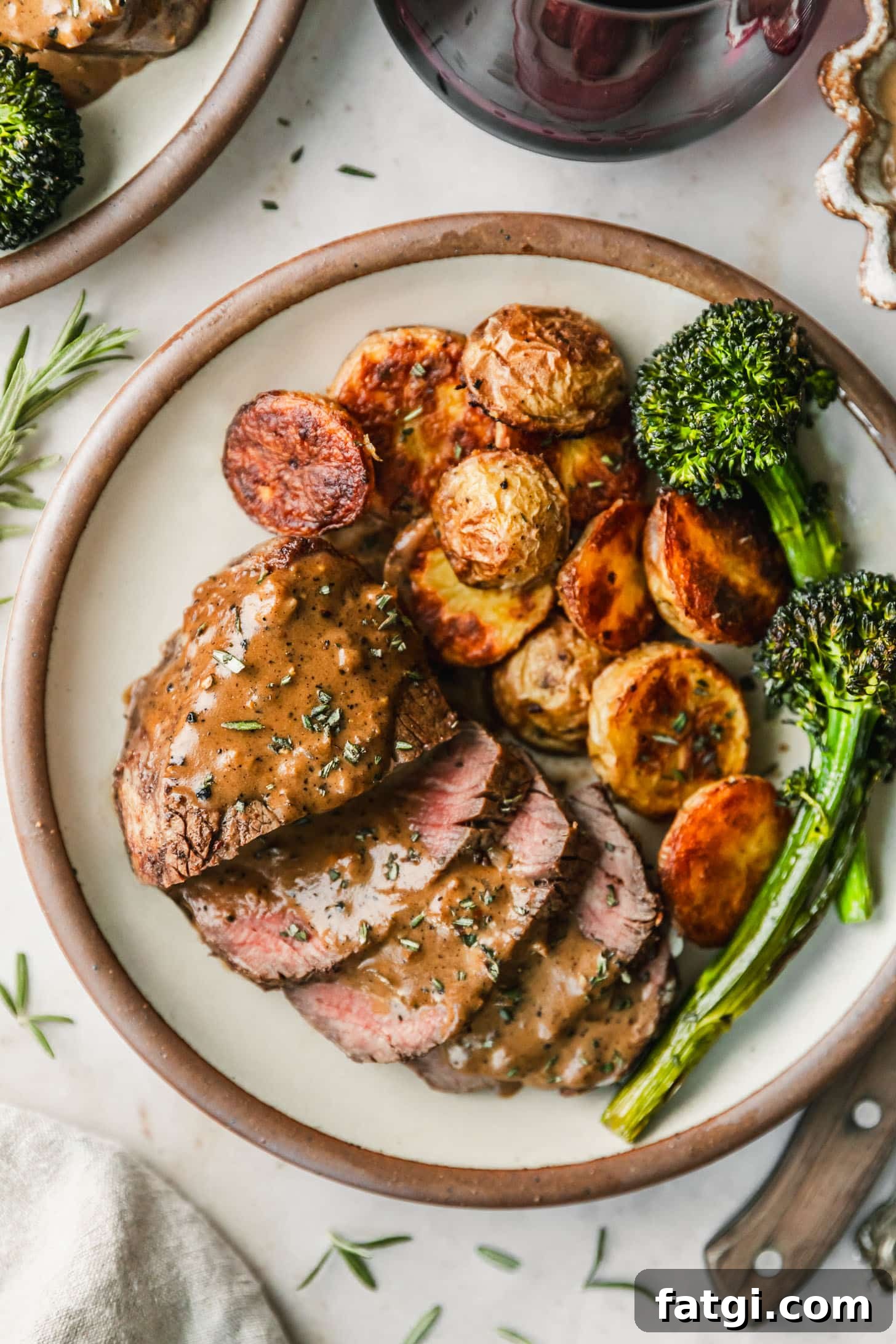
When I want to treat myself, steak is my go-to. I love many dishes, but steak consistently ranks among my top favorites. Filet mignon in particular holds a special place — it’s supremely tender and feels inherently luxurious, which makes it ideal for romantic dinners. The peppercorn cream sauce here is rich and deeply flavorful; I often joke that I could drink it straight from the spoon.
I learned the reverse sear method while in culinary school, and it completely changed how I cook steak. Reverse searing reliably produces a tender, evenly cooked interior and a perfect browned crust. Here are a few reasons to try this recipe:
- The filet mignon is buttery, tender, and full of flavor.
- Reverse sear ensures an even cook from edge to edge, resulting in consistent doneness.
- The brandy peppercorn sauce adds creaminess and a spicy, savory finish.
- This dish is ideal for date night, celebrations, or when you want to impress guests without complicated techniques.
Beef tenderloin vs. filet mignon
It’s easy to confuse filet mignon and beef tenderloin because they look similar, but they are not identical. Beef tenderloin is the full, long muscle that runs along the cow’s spine near the sirloin. Filet mignon is a small, prized portion taken from the narrower end of that tenderloin. While the entire tenderloin is excellent, filet mignon is prized for its exceptional tenderness and delicate texture.
When shopping for filet mignon, choose steaks that are bright red with light marbling and no silver skin. Trim away any large pieces of fat or connective tissue to avoid chewy or gristly bites.
Brine and roast the steaks
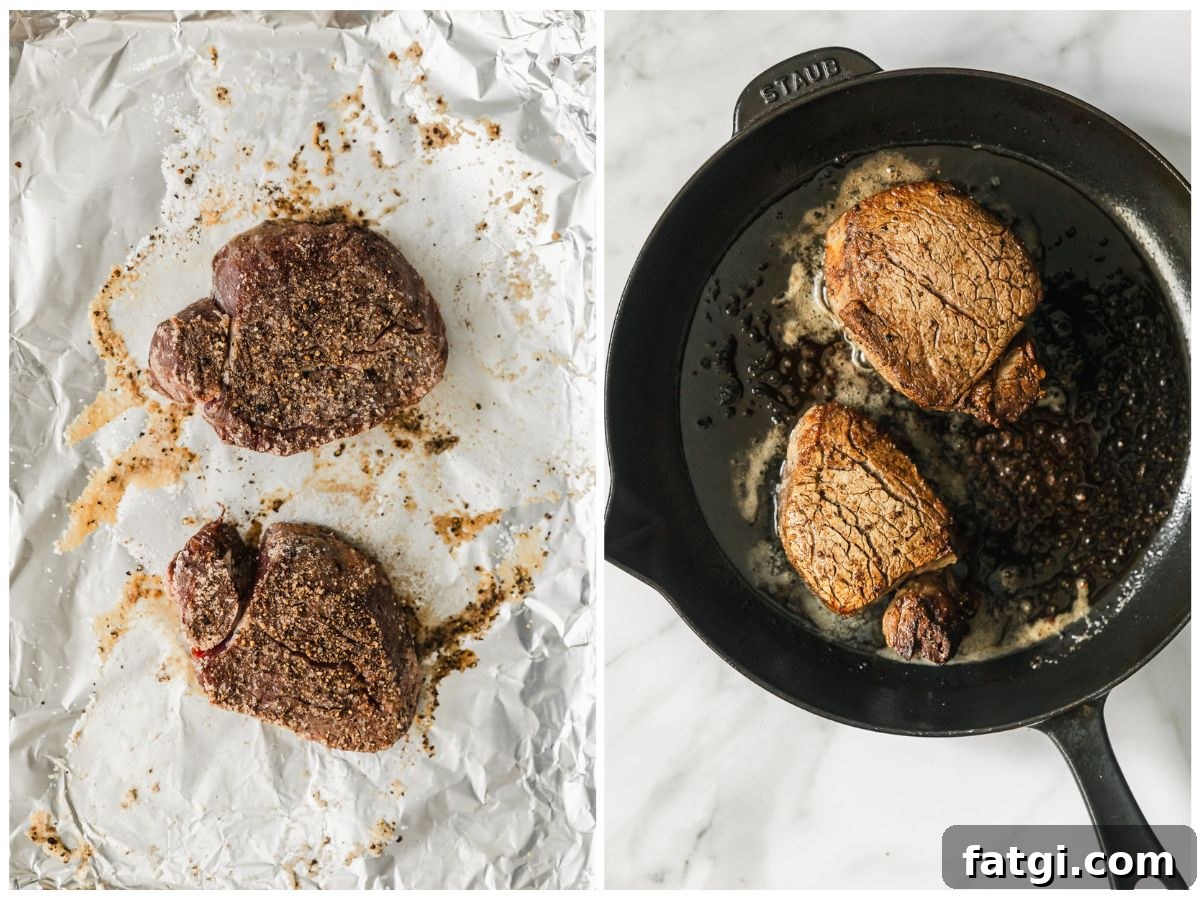
Cook the filets low and slow in the oven first. The gentle temperature helps the steaks heat evenly and retain moisture, producing a silky, melt-in-your-mouth texture. High heat too early risks drying the meat.
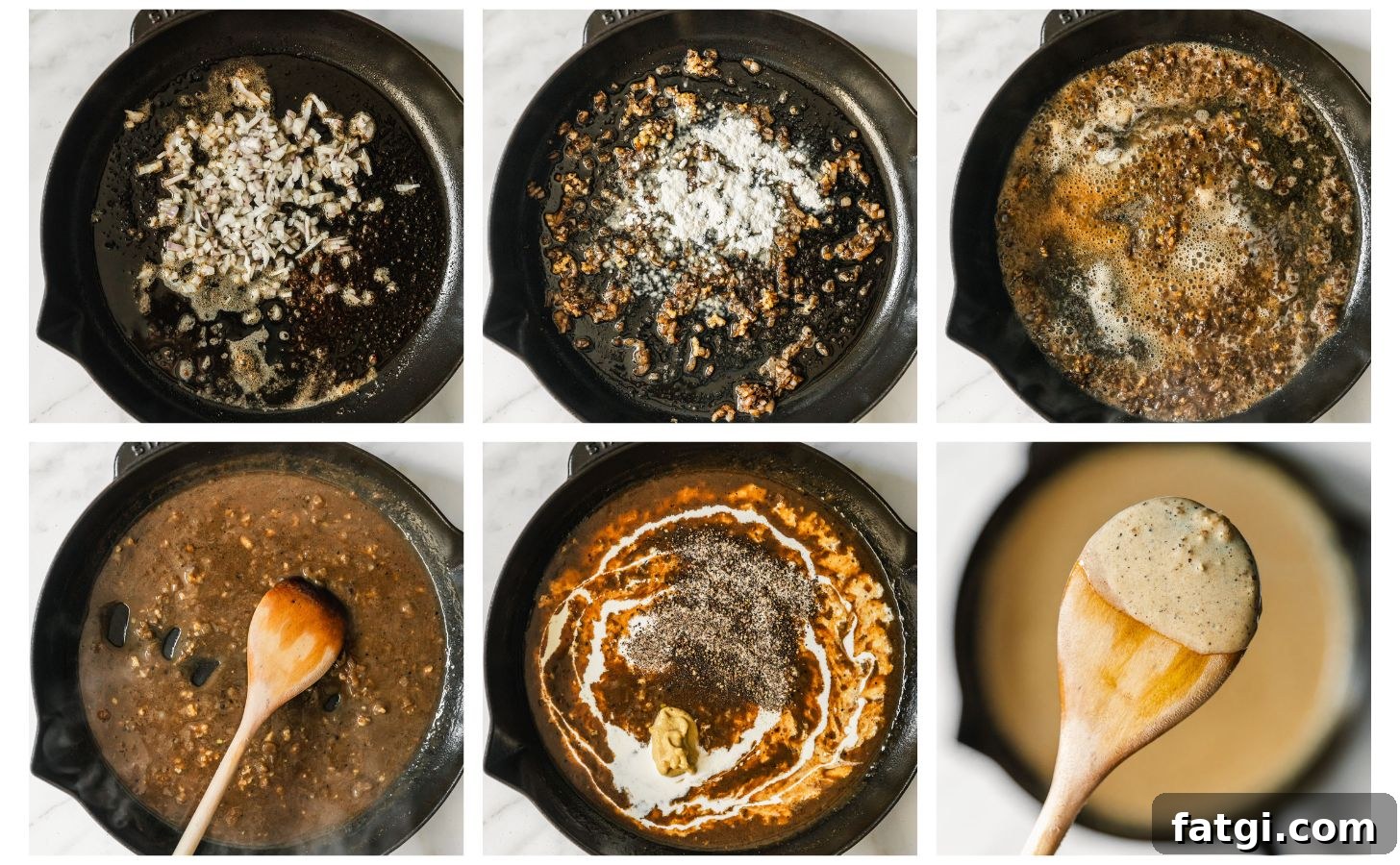
Brandy peppercorn sauce
Temperature guide
Precise temperature control is the key to consistently great steak. Use a reliable meat thermometer and follow these internal temperature targets to achieve the doneness you prefer:
| Doneness | Oven Internal Temp | Searing Internal Temp |
| Rare | 105–110°F | 120–125°F |
| Medium Rare | 110–115°F | 130–135°F |
| Medium | 120–125°F | 140–145°F |
| Medium Well* | 130–135°F | 150°F |
| Well Done* | 140–145°F | 160°F |
For the most tender, juicy filet mignon, avoid cooking past medium; medium rare is my recommendation.
I always rely on a meat thermometer. It’s the best way to ensure your steaks reach the exact temperature you want. If you don’t have one, err on the side of undercooking; you can always sear a little longer if needed.
Store and reheat leftovers
Store any leftover steak in an airtight container in the refrigerator for up to 3–4 days. To reheat, warm the steaks gently in a low oven — 225°F for about 20 minutes — until heated through. This method preserves moisture and prevents overcooking.
Filet mignon tastes best served immediately after cooking. Because it’s a premium cut, take care not to overcook it and prepare the steaks close to serving time for the best texture and flavor.
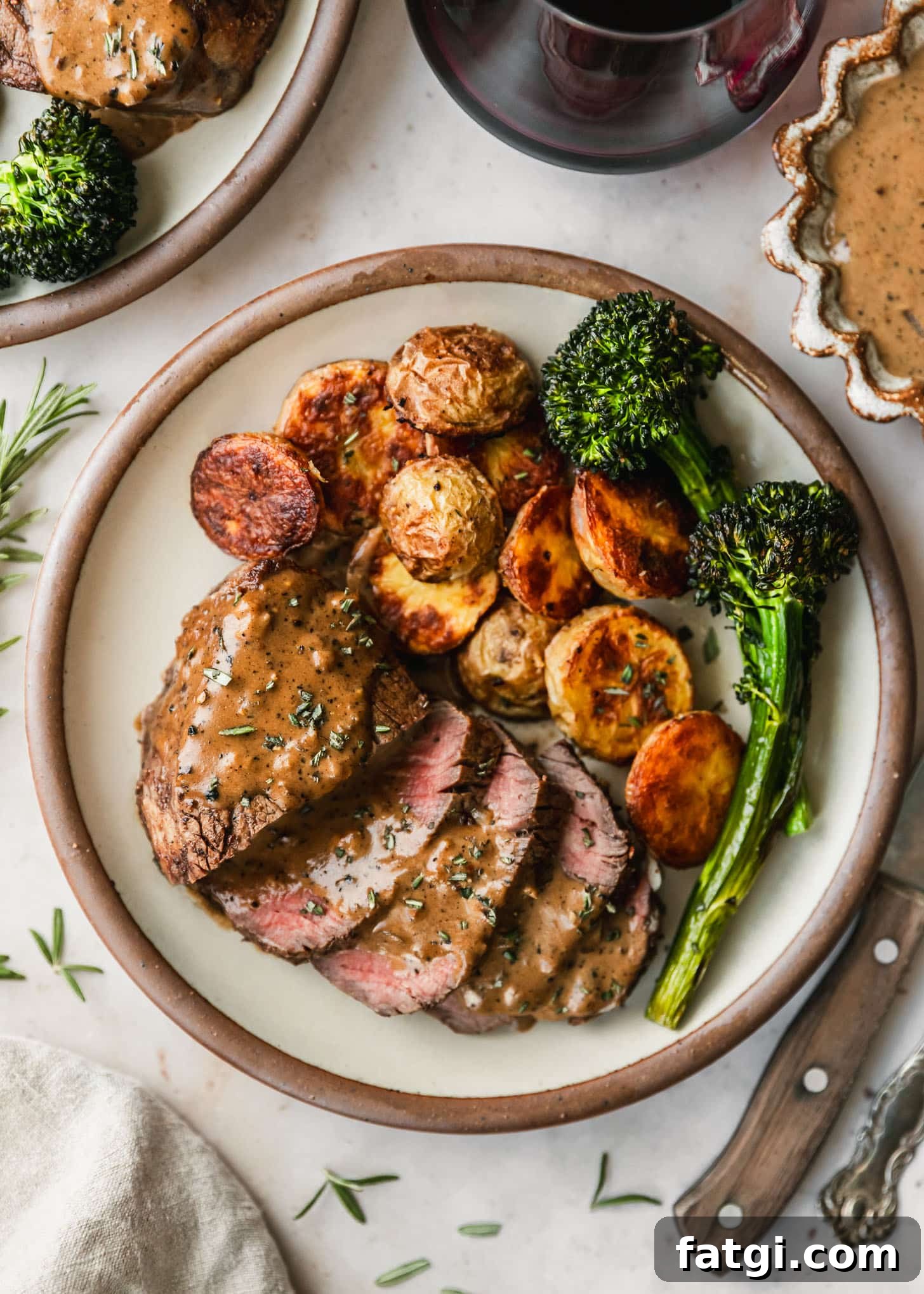
If you make this recipe, please consider leaving a rating and review — every comment is read and appreciated.
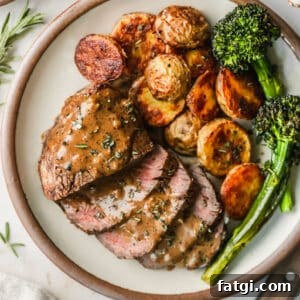
Reverse Sear Filet Mignon with Peppercorn Sauce
Ingredients
Reverse Seared Filet Mignon
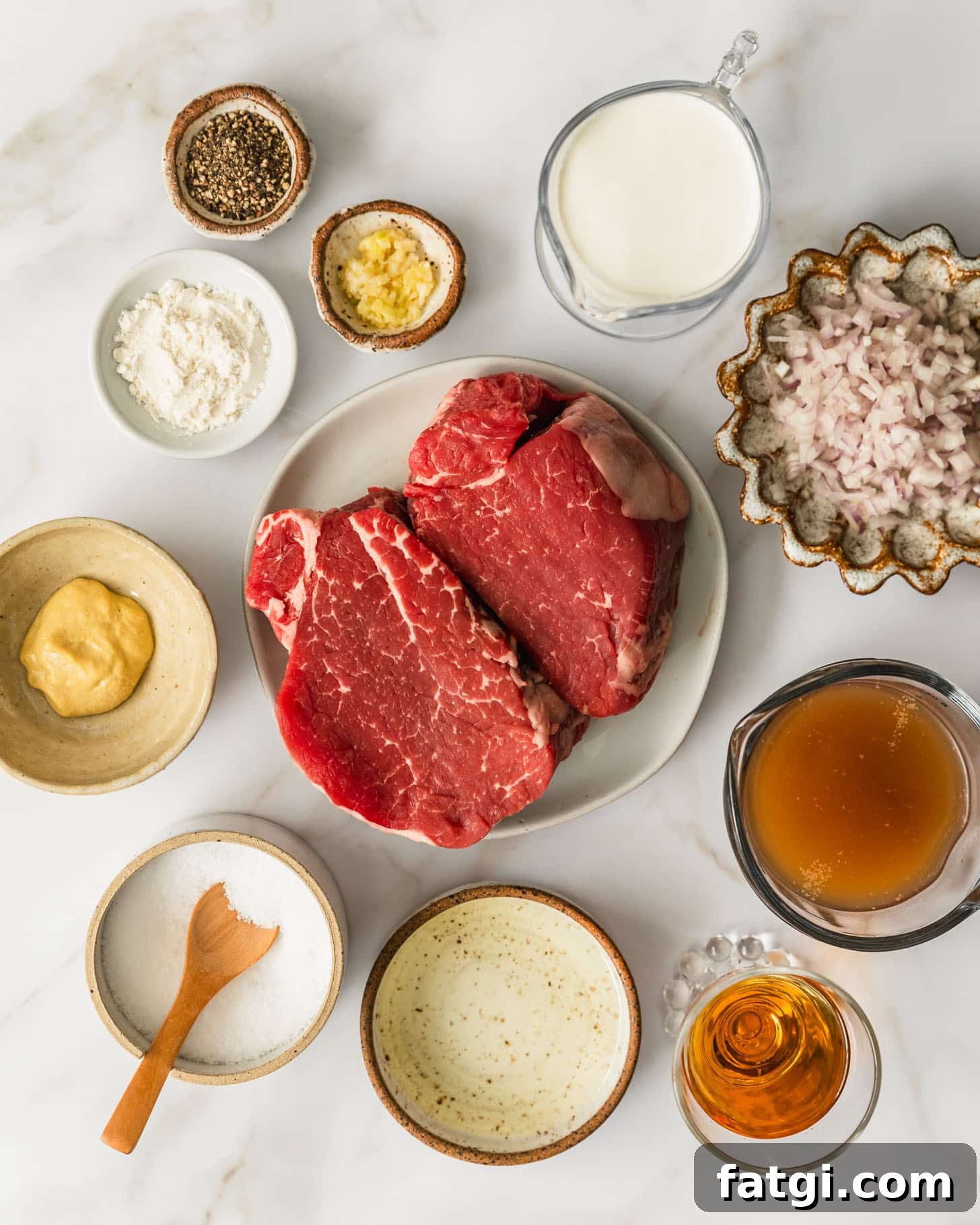
- 4 filet mignon steaks (6–8 ounces each / 168–225 g)
- Kosher salt and freshly ground black pepper to taste
- 1 Tablespoon neutral oil (canola or avocado, 14 ml)
- 1 Tablespoon unsalted butter (14 g)
Brandy Peppercorn Sauce
- 1/4 cup minced shallots (35 g / 1 small shallot)
- 2 teaspoons minced garlic (2 cloves)
- 1 Tablespoon all-purpose flour (8 g)
- 1/4 cup brandy (55 ml)
- 3/4 cup low-sodium beef broth (170 ml)
- 1/2 cup heavy whipping cream (130 ml)
- 1 Tablespoon Dijon mustard (15 g)
- 2 teaspoons coarsely ground black peppercorns
Equipment
-
Sheet pan
-
Tinfoil or parchment paper
-
Cast iron skillet
-
Meat thermometer
Instructions
-
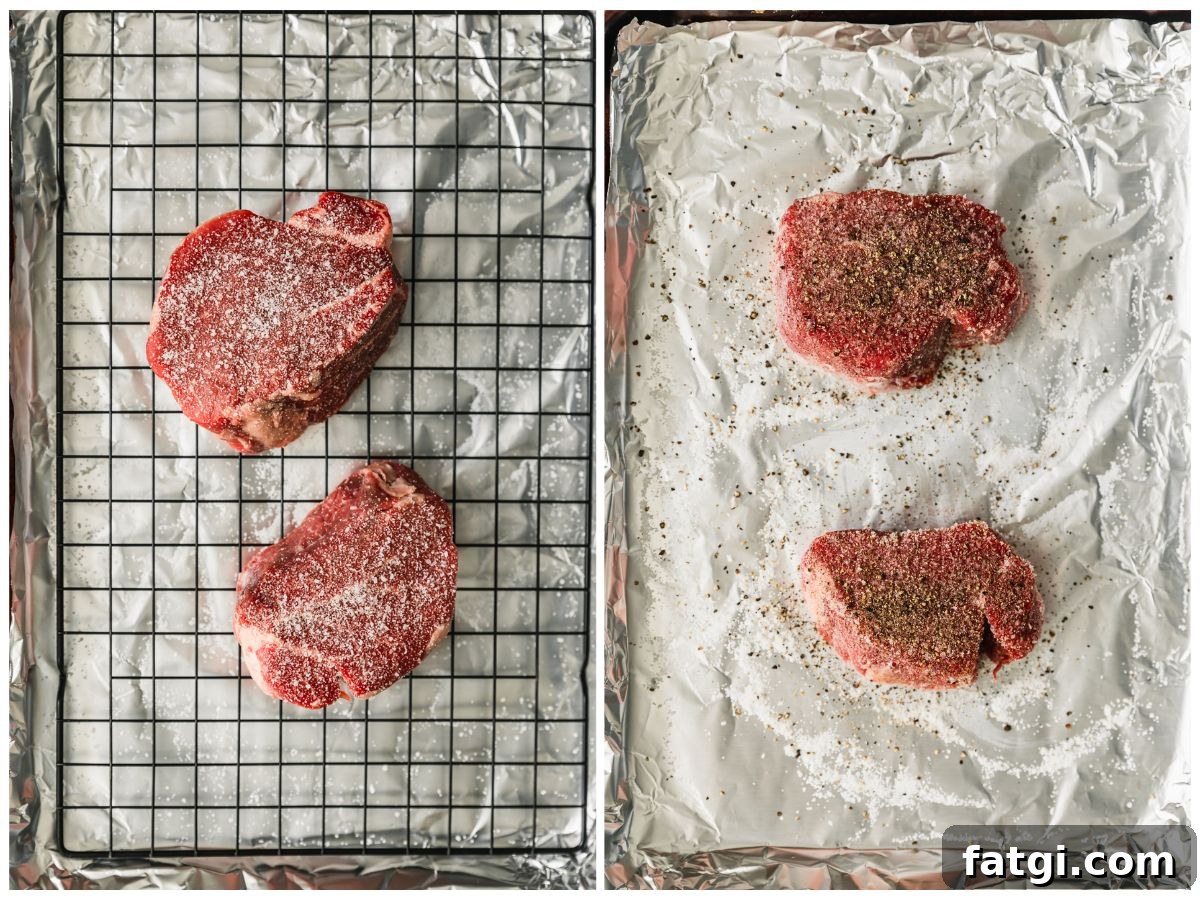
Prepare a sheet pan by lining it with tinfoil or parchment and setting a wire cooling rack on top. Generously season the steaks with kosher salt and place them on the rack. Let them sit uncovered at room temperature for 1 hour, or refrigerate uncovered overnight for a dry brine. If chilled, allow the steaks to come to room temperature for about 30 minutes before cooking.
-
Preheat the oven to 225°F (107°C). Place the steaks on the lined sheet pan and season both sides with freshly ground black pepper. Roast in the oven until a thermometer inserted into the thickest part reads 110–115°F (43–46°C) for medium rare, about 25–28 minutes; start checking at 20 minutes. Remove the steaks and let them rest for 5–8 minutes.
-
Heat a cast iron skillet over medium-high heat. Add the butter and oil, tilting the pan to coat the bottom. When the fat is very hot and shimmering, sear the steaks for about 2 minutes per side, flipping every 30 seconds to ensure even browning, until a deep crust forms. Transfer the steaks to a clean plate and rest another 5–8 minutes while you make the sauce.
Brandy Peppercorn Sauce
-
Using the same skillet, pour off all but 1 tablespoon of pan drippings and return the pan to medium heat. Add the shallots and cook until softened, about 2–3 minutes. Stir in the garlic and cook another 30 seconds until fragrant.
-
Sprinkle the flour over the shallots and cook for 1 minute to remove the raw flour taste. Deglaze the pan with the brandy, using a wooden spoon to scrape any browned bits from the bottom. Simmer until the brandy has reduced by about half, roughly 2 minutes.
-
Add the beef broth and bring to a gentle simmer. Cook until the liquid has reduced and slightly thickened, about 2–3 minutes. Stir in the cream, Dijon mustard, and cracked peppercorns, then simmer for 2–3 minutes until the sauce is smooth and coats the back of a spoon. Adjust seasoning with salt and pepper as needed. Spoon warm sauce over each filet and serve immediately.
Notes
Be generous with kosher salt when seasoning; meat can handle more salt than many expect, and it enhances flavor and crust formation.
A meat thermometer is the most reliable tool for perfectly cooked steaks. When in doubt, undercook slightly and finish with a bit more searing if needed.
Avoid overcrowding the pan during searing; give each steak space so the surface browns rather than steams. Work in batches if necessary.
If you prefer a darker sauce for presentation, a tiny drop of browning sauce can be added, purely for color.
, Carbohydrates: 5.6g
, Protein: 73.4g
, Fat: 34.4g
, Saturated Fat: 15.3g
, Cholesterol: 217mg
, Sodium: 302mg
, Potassium: 1024mg
, Fiber: 0.5g
, Sugar: 0.1g
, Calcium: 85mg
, Iron: 5mg
Did you make this recipe?
Share your photos and feedback on social media and enjoy your meal.