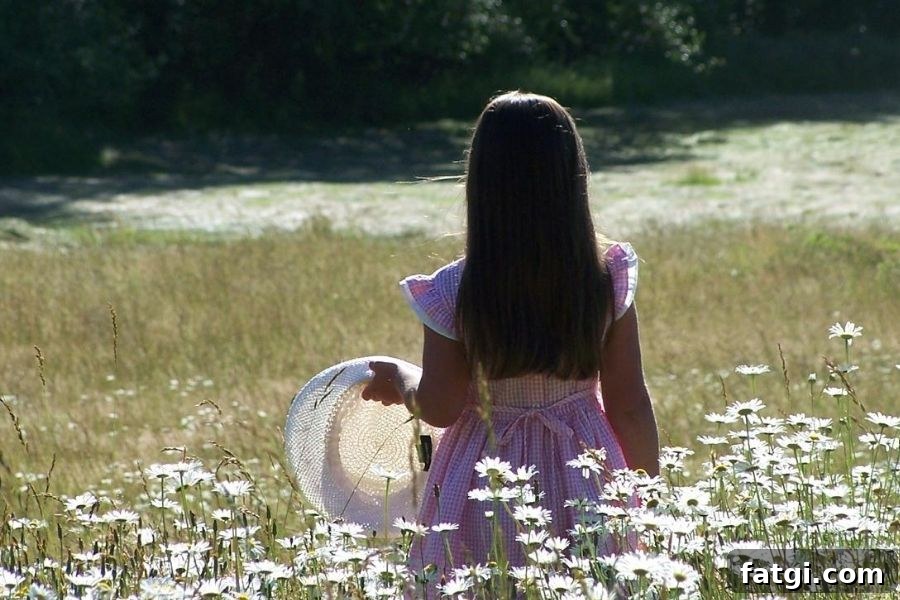
When you imagine living in the countryside, what images come to mind? A house surrounded by flourishing gardens? A small flock of content hens? Fresh eggs in a basket, loaves of warm homemade bread, and shelves filled with jars of preserved food?
If you spend time reading homesteading blogs and following farmers and gardeners on social media, I’ve likely been thinking of you. Seeing curated country-life content can be inspiring, but it can also create unrealistic expectations. To help you keep your feet on the ground while you dream, here are four practical filters to use as you plan your rural life.
4 Filters That Will Help You Stay Grounded
There’s no secret trick—these are mostly common-sense ideas that helped me as I planned a move to the country. Applied early, they’ll help you avoid disappointment and build a practical, sustainable plan.
Filter 1: Recognize Social Media Doesn’t Show Everything
Your social feeds are probably full of beautiful photos of gardens, barns, animals, and preserved foods. Enjoy those images—they’re uplifting—but remember they represent highlights, not the whole story. People share their best moments; you rarely see the mundane, the messy, or the stressful parts of daily rural life.
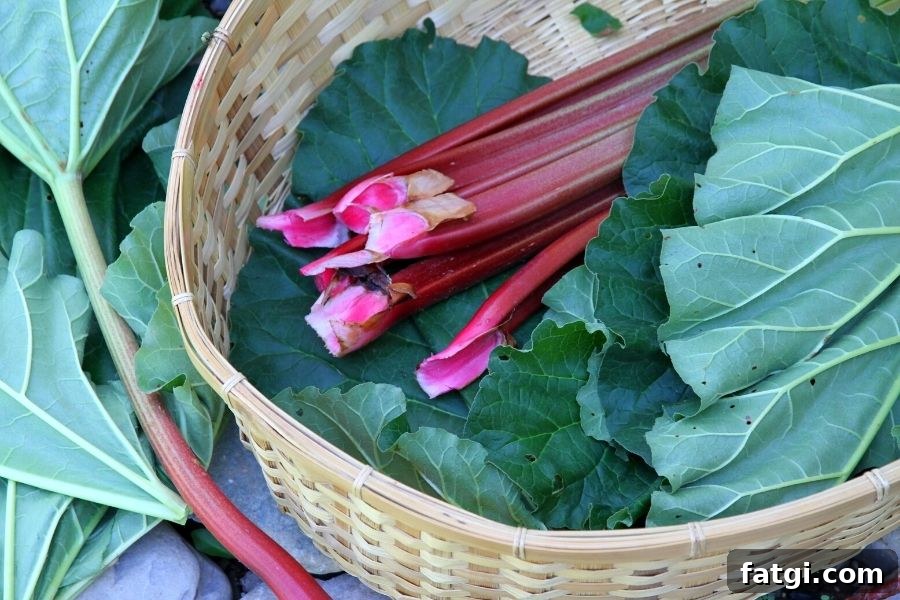
For example, if someone without children formed ideas about parenting based solely on a parent’s curated posts—smiling faces, clean clothes, and sweet moments—they would miss the sleepless nights, tantrums, and daily chores that don’t make the feed. The same applies to country life: the pretty snapshots are real, but they don’t show how much time and effort go into achieving those moments. Keep that perspective while you plan.
Filter 2: Your Values Shape What’s Realistic
It’s natural to think, “If they can do it, so can I.” Inspiration is valuable, but remember the people who inspire you may have different priorities or tolerances for trade-offs. Owning a large piece of land might require living farther from town and accepting more isolation. Gardening and livestock demand time that could otherwise be spent with family or on other pursuits. If your partner works long hours, will the home workload fall disproportionately on one person?
Saying “yes” to homesteading usually means saying “no” to something else—time, convenience, social activities, or comfort. A realistic plan starts with your values and priorities. Enjoy other people’s ideas, but shape your dream to fit your family’s needs and boundaries.
Filter 3: Finances Will Affect the Pace of Your Progress
It’s easy to assume others achieved their country lifestyle on a modest income, but many successful homesteaders supplement their living through online businesses, courses, or high-earning ventures. Those extra income streams make land purchases, equipment, and experimentation more feasible—and faster.
Unless you create similar income sources or have savings, your progress may be slower. You might buy less land, take longer to establish infrastructure, or postpone certain livestock and projects. That’s not a failure; it’s realistic planning. Recognizing financial limits helps you prioritize what’s essential and find affordable ways to move forward.
Filter 4: Country Life Requires Hard Work
If you didn’t grow up doing physical labor, you might underestimate how demanding rural living can be. Gardens, fences, animal care, and property maintenance require time, energy, and physical strength. Weather, pests, and unpredictable setbacks can undo weeks or months of work, and endurance matters as much as skill.
Country life brings both joyful and difficult days. Part of the appeal is its honesty: challenges are frequent, and successes feel earned. Expect hard days and plan for them—build routines, learn skills gradually, and create contingency plans for the inevitable setbacks.
A Few Thoughts in Closing
I’m not trying to dampen your hopes. If you enjoy dreaming for the sheer joy of it, dream freely. But if you’re actively planning a move to the countryside—saving for land, raising children outside town, or building a homestead—these filters are meant to help you plan more realistically and avoid common frustrations.
Grounded expectations won’t take the wonder out of country life. They’ll help you move toward it with clearer priorities, a better financial plan, and a stronger understanding of the work involved. Wishing you wisdom and courage as you shape your rural dream.
All the best,
Autumn