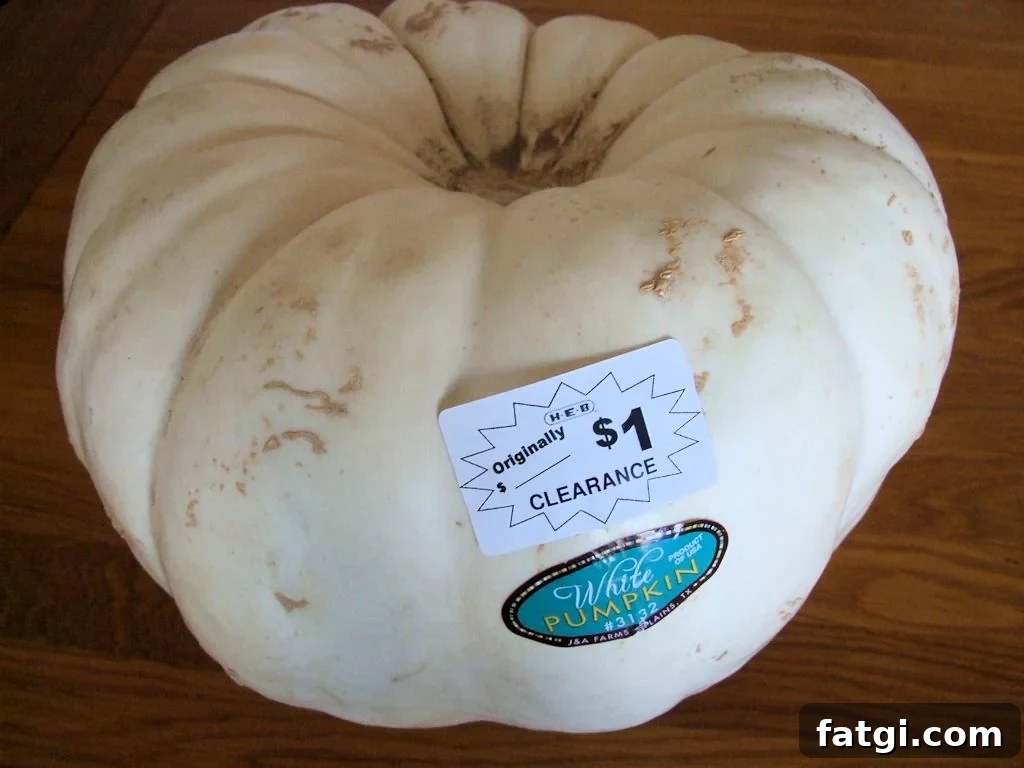
The day after Halloween is always prime time for pumpkin bargains. Stores slash prices once lanterns are carved and decorations come down, and it’s common to find large pumpkins for just a dollar or two. Today I found a 13 lb (5.8 kg) pumpkin for $1, and I couldn’t resist bringing it home. Instead of tossing it out or letting it go unused, I plan to turn most of it into a warming, spicy pumpkin soup for tonight’s dinner.
Pumpkin Bargains
Why pumpkins go on sale after Halloween
Retailers often discount pumpkins once Halloween passes because demand for carved lanterns drops sharply. The surplus produce is perishable, so supermarkets and farmers markets mark prices down to move inventory quickly. This creates a great opportunity to buy cheap pumpkins for cooking, baking, or preserving. Buying after the holiday is an economical way to enjoy fresh seasonal produce without paying premium prices.
Choosing and preparing a pumpkin for cooking
When picking up discounted pumpkins, look for ones that feel heavy for their size and have firm, unbruised skin. Pumpkins meant for carving are often larger and stringier, but they can still be delicious when cooked. The flesh of a cooking pumpkin tends to be denser and less watery than a large decorative type, but either will work if prepared correctly.
To prepare a pumpkin for cooking, cut it in half, scoop out the seeds and fibrous strands (save the seeds for roasting), then peel and cube the flesh or roast the halves until tender. Roasting concentrates flavor and gives a richer puree than boiling. After roasting, scoop the flesh into a blender or mash it with a fork to make pumpkin puree you can use for soups, pies, breads, or freezing for later use.
Simple spicy pumpkin soup — ideas and tips
Spicy pumpkin soup is a quick, comforting dish that highlights the pumpkin’s natural sweetness while adding warmth and depth with spices. Start with roasted or steamed pumpkin puree, then sauté onions and garlic in a little oil or butter until translucent. Add the pumpkin puree and broth (vegetable or chicken) to reach your desired consistency. Season with salt, black pepper, and spices such as ground cumin, smoked paprika, or a pinch of cayenne for heat. For creaminess, stir in a splash of cream, coconut milk, or plain yogurt at the end. Finish with a squeeze of lemon or lime to brighten the flavors.
Garnish ideas: toasted pumpkin seeds, a drizzle of olive oil or chili oil, chopped fresh herbs like cilantro or parsley, and a swirl of yogurt or coconut cream. If you prefer more texture, add roasted chickpeas or a handful of cooked grains.
Storage and waste-reduction tips
If you buy a very large pumpkin, preserve any unused puree by freezing it in portion-sized containers or freezer bags. Label and date portions so you can use them over several months for soups, pies, muffins, and pancakes. Roasted pumpkin flesh also freezes well and can be thawed and reheated without significant loss of flavor.
Don’t forget the seeds: rinse and dry them, toss with a little oil and salt, then roast at medium heat until crisp for a healthy, crunchy snack. Pumpkin skins are generally discarded, but if thin and well-cooked, they can be composted to return nutrients to the garden.
Final thoughts on pumpkin bargains
Buying pumpkins on sale after Halloween is a smart, sustainable way to enjoy seasonal produce. A single discounted pumpkin can provide multiple meals and snacks, from spicy soups to roasted seeds and baked goods. With a little preparation and creativity, a bargain pumpkin becomes a versatile ingredient for autumn cooking and leftover-friendly meals.