Black cookouts go by many names and take many forms: family reunions, church potlucks, backyard barbecues, and even dress-up affairs like “all-white” parties. Whatever the label, attending and enjoying a Black cookout means more than observing a checklist of rules — it’s about honoring food, family, and culture.

What is the cookout in Black culture?
Black family cookouts are a deeply rooted tradition where African American families and friends gather outdoors to share food, stories, and fellowship. These gatherings center on soulful, home-cooked dishes — often barbecue and slow-cooked favorites — prepared with care and shared generously. More than a meal, the cookout is a space for connection, cultural continuity, and community celebration.
What does it mean when you’re invited to the cookout?
Being invited to a Black cookout is an invitation to join conversation, laughter, and cultural tradition. The food is central, but so are the exchanges across generations, music that sets the mood, and the shared enjoyment of time spent together. Accepting an invite often means being ready to eat, dance, and participate respectfully in the community vibe.
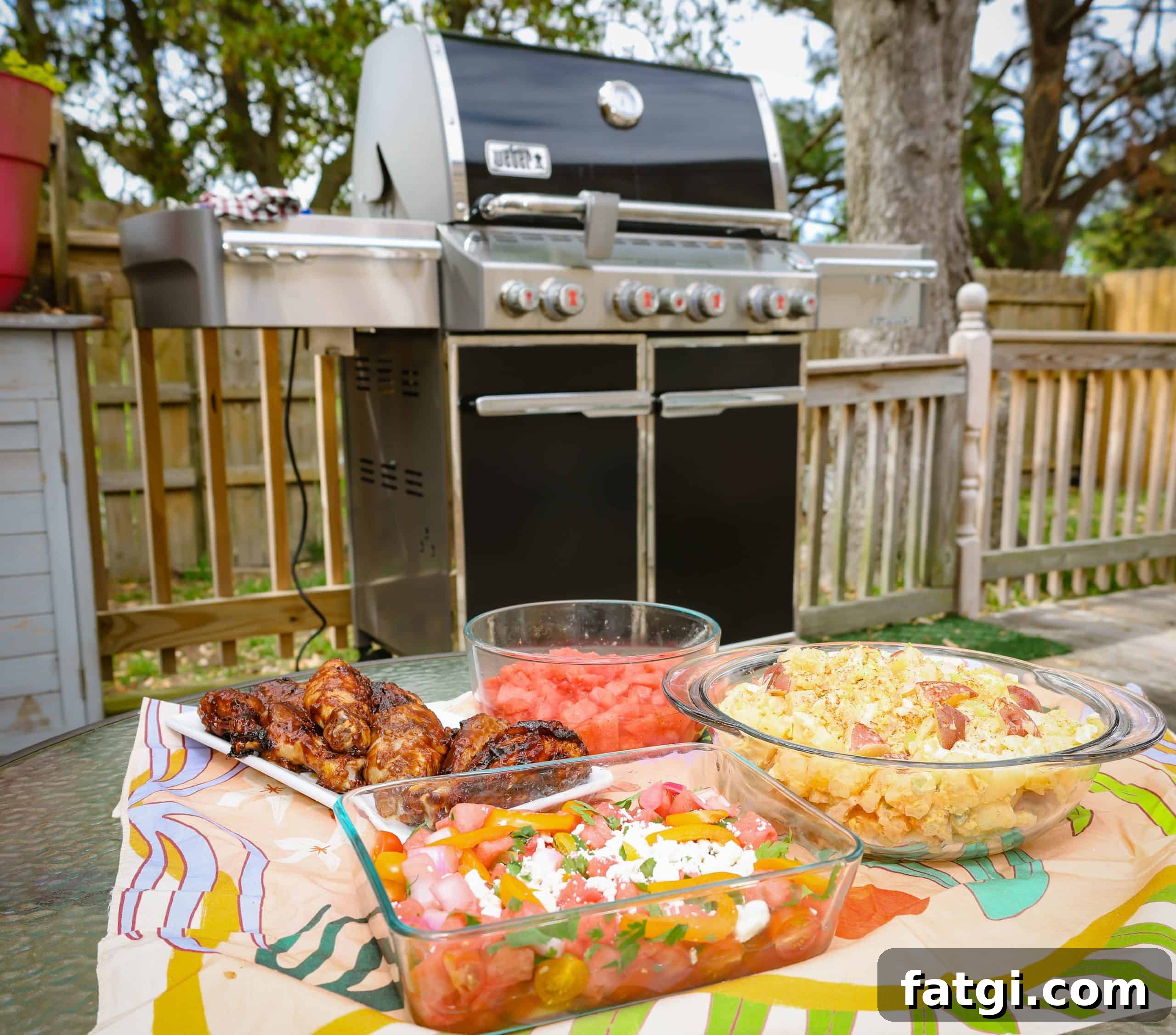
The rules for a Black cookout
Unwritten etiquette at Black cookouts reflects history and cultural values. Understanding these customs helps visitors show respect and appreciate why certain foods, behaviors, and traditions matter. These practices grew out of community resilience and the joy of shared meals, and they remain important today.
So what are the rules of Black family barbecues?
Start with the essentials: A classic Southern-style potato salad is a near-obligatory presence at many Black cookouts, potlucks, and family gatherings. It’s one of those signature dishes that signals tradition and care.
Along with food staples, there are behavioral expectations rooted in respect and community. Below are common guidelines that help the event run smoothly and honor the hosts and elders.
Don’t disrespect Big Mama.
Respect for elders is paramount. Their stories and presence give context and continuity to the event. Take time to listen, offer help when appropriate, and show appreciation for the knowledge and care they bring to the gathering.
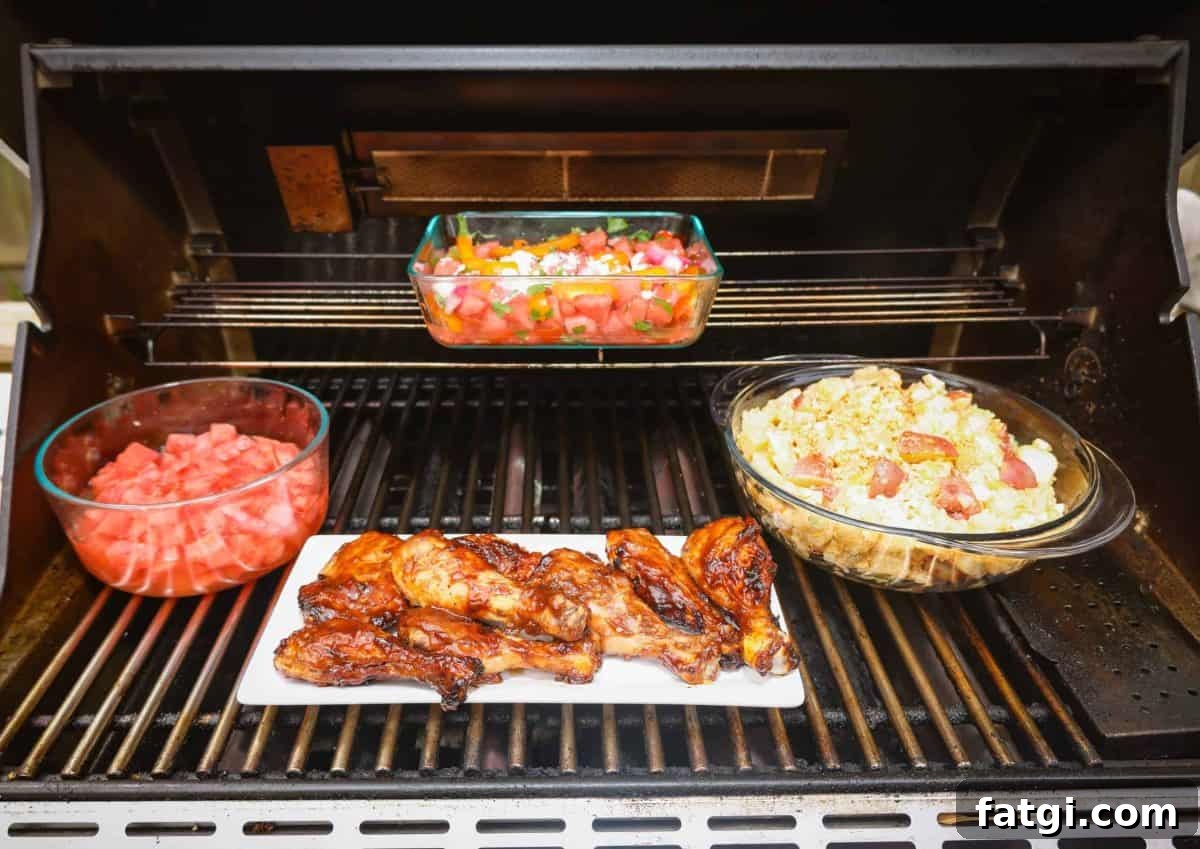
Don’t pack take-home dishes before everyone eats.
Food etiquette matters. Packing up plates or containers before serving ends can be seen as rude. Cookouts are communal events meant to be shared on site; it’s best to wait until everyone has been served and guests have had a chance to eat.
Don’t touch the food without washing your hands.
Clean hands are a basic courtesy and a matter of food safety. Whether helping with service or reaching for a dish, washing hands first shows respect for the cooks and other guests.
Don’t put raisins in anything that’s not dessert.
As a culinary preference often shared in Black cookout culture: raisins don’t belong in savory dishes like potato salad or macaroni. Many of these dishes are celebrated for their distinct, well-loved flavors and don’t need sweet add-ins or unexpected toppings.
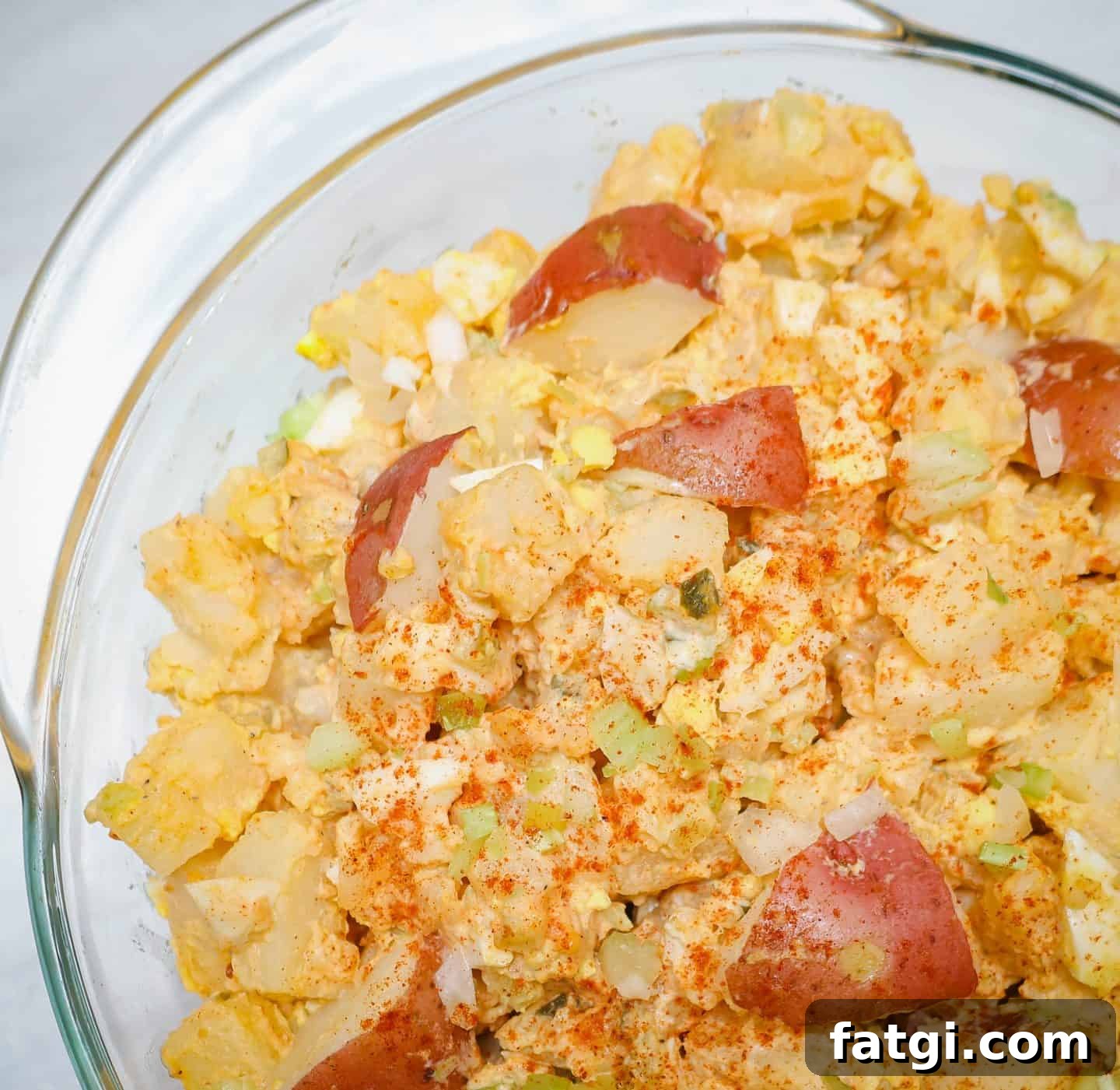
Don’t ask who made the potato salad.
Potato salad is often a guarded specialty. In many families, who makes it, how it’s made, and when it’s appropriate to serve are part of longstanding traditions. Asking publicly can create awkwardness; a simple compliment or a private question is usually the better approach.
Don’t call it a picnic.
There’s a distinction between a casual picnic and a Black cookout. Black cookouts typically feature a wider array of dishes — multiple preparations of chicken (barbecued, grilled, baked, fried), hearty soul-food sides, and desserts — and are rooted in family and cultural ritual rather than a mere outdoor meal.

Don’t show up and not eat.
Feeding others is a sign of care and continuity in Black food culture. Many soul food recipes come from creative, resourceful cooking traditions where making something from little was essential. Participating in the meal — and accepting the hospitality offered — honors that history and the people who prepare it.
Don’t act like you’re too good to do the Electric Slide.
Cookouts often include music and dancing as central elements. Being open to joining a line dance, tapping a foot to classic R&B, or enjoying a game of spades shows willingness to engage with the cultural atmosphere. Fun and participation are encouraged for guests of all ages.
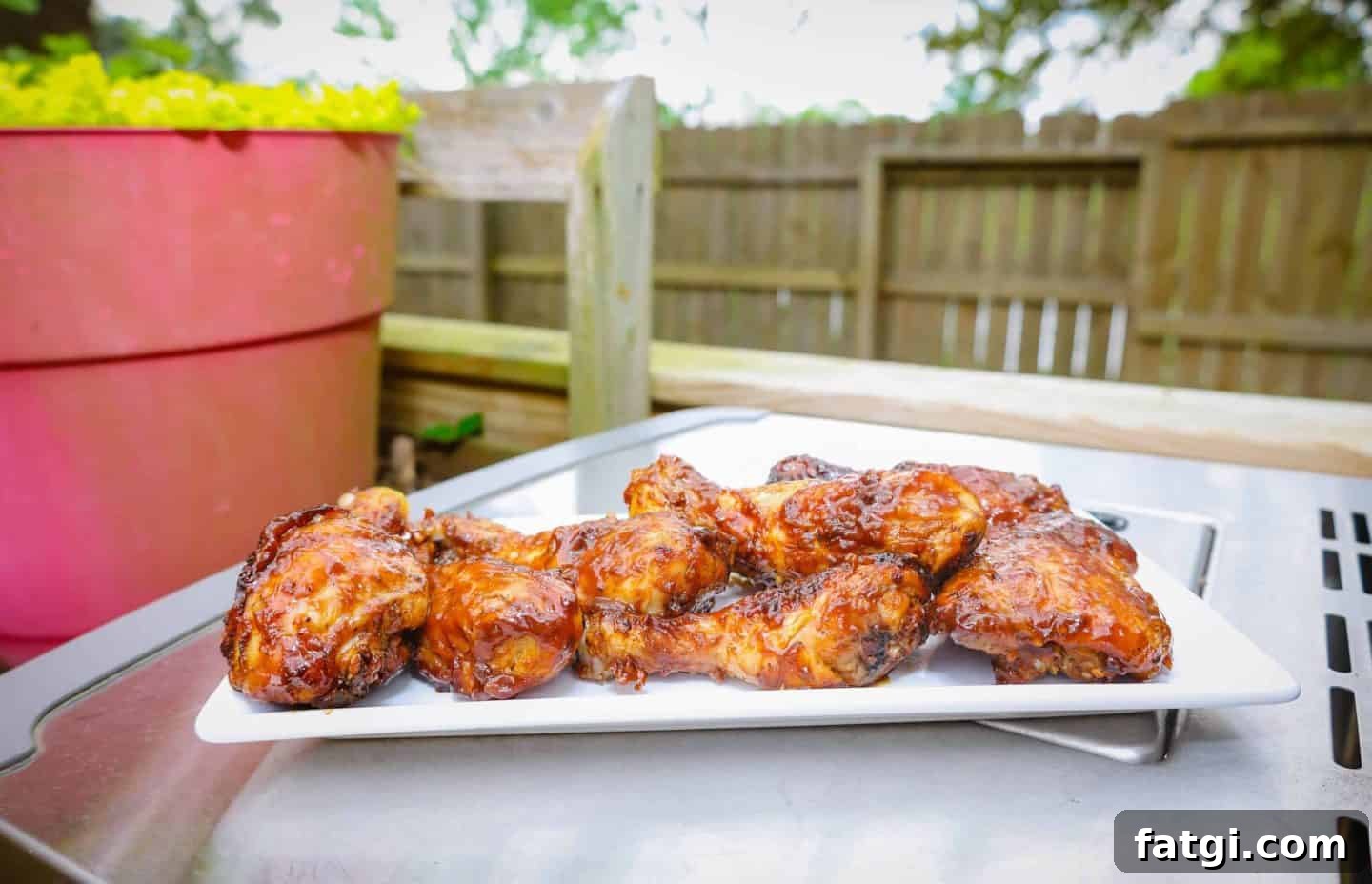
What not to do at a Black cookout
Beyond the food, what to avoid is clear: don’t disrespect elders, don’t bring only store-bought items presented as homemade, and don’t misrepresent dishes (for example, passing off a vegan version when guests expect a traditional recipe). Also avoid arriving with only cheap, off-brand sodas and then trying to take multiple “to-go” plates when the hosts are giving generously. Common courtesy goes a long way.

At its best, a Black cookout is warm, lively, and deeply rooted in tradition. Show respect, come ready to eat and enjoy, listen to elders, join the music, and let the food and fellowship do the rest. These gatherings celebrate resilience, creativity, and communal joy — and observing a few simple courtesies ensures everyone leaves feeling nourished and valued.

Check out this recipe guide
If you enjoyed this overview, consider saving the image below to a personal collection for reference on traditional Black cookout etiquette and soul food staples.