Long-distance moves have become more common as individuals and families look for better opportunities, more affordable housing, and a lifestyle that fits their needs. Rising rental prices have made this decision especially important in many cities. Miami is one example, where higher housing costs have placed pressure on renters and encouraged many people to consider relocating to a different city, state, or even country.
A successful long-distance move requires more than packing boxes and booking a truck. It involves careful planning, smart budgeting, reliable support, and emotional preparation. Whether you are moving for work, family, affordability, or a fresh start, the following steps can help make your relocation smoother, more organized, and less stressful.
Start Planning Early
Early planning is one of the most effective ways to reduce stress during a long-distance move. Begin preparing several months before your moving date if possible. This gives you enough time to compare moving options, organize your belongings, gather documents, and handle important arrangements without rushing.
Create a moving checklist with clear deadlines. Include tasks such as sorting household items, requesting moving quotes, notifying service providers, arranging transportation, and preparing your new home. A detailed timeline helps you stay focused and prevents last-minute problems from becoming overwhelming.
Budget Wisely
A long-distance move can involve several expenses, so setting a realistic budget early is essential. Consider the cost of packing materials, professional movers, transportation, insurance, fuel, temporary lodging, meals during travel, deposits, and utility setup fees. If you are moving from a high-cost area such as Miami, comparing your current expenses with your future cost of living can also help you plan more confidently.
Leave room in your budget for unexpected costs. Delays, storage needs, additional packing supplies, or changes in travel plans can increase expenses. Having a financial cushion makes it easier to handle surprises without unnecessary stress.

Research and Hire Reputable Movers
Choosing the right moving company is one of the most important decisions you will make. For interstate moves, such as relocating from Florida to New Jersey, look for movers with experience handling long-distance and cross-state relocations. A reputable company should communicate clearly, provide transparent pricing, and explain how your belongings will be protected during transport.
Take time to compare estimates, read customer feedback, and ask questions about services, delivery windows, insurance coverage, and extra fees. If you are moving internationally, work with a company experienced in overseas relocation, customs requirements, and international shipping procedures. Careful research helps ensure your belongings are handled responsibly from start to finish.
Declutter and Donate
Before packing, go through your belongings and decide what is truly worth taking with you. Long-distance moving costs are often influenced by the size and weight of your shipment, so reducing what you move can save money and simplify the entire process.
Sort items into categories: keep, donate, sell, recycle, and discard. Clothing you no longer wear, duplicate kitchen items, old furniture, unused décor, and forgotten storage items may not need to make the trip. Donating useful items can give them a second life, while selling larger pieces may help offset moving expenses. Decluttering also gives you a cleaner, more intentional start in your new home.

Pack with Care
Careful packing protects your belongings and makes unpacking much easier. Start with items you do not use every day, such as seasonal clothing, books, decorations, and rarely used kitchenware. As moving day gets closer, pack daily essentials last.
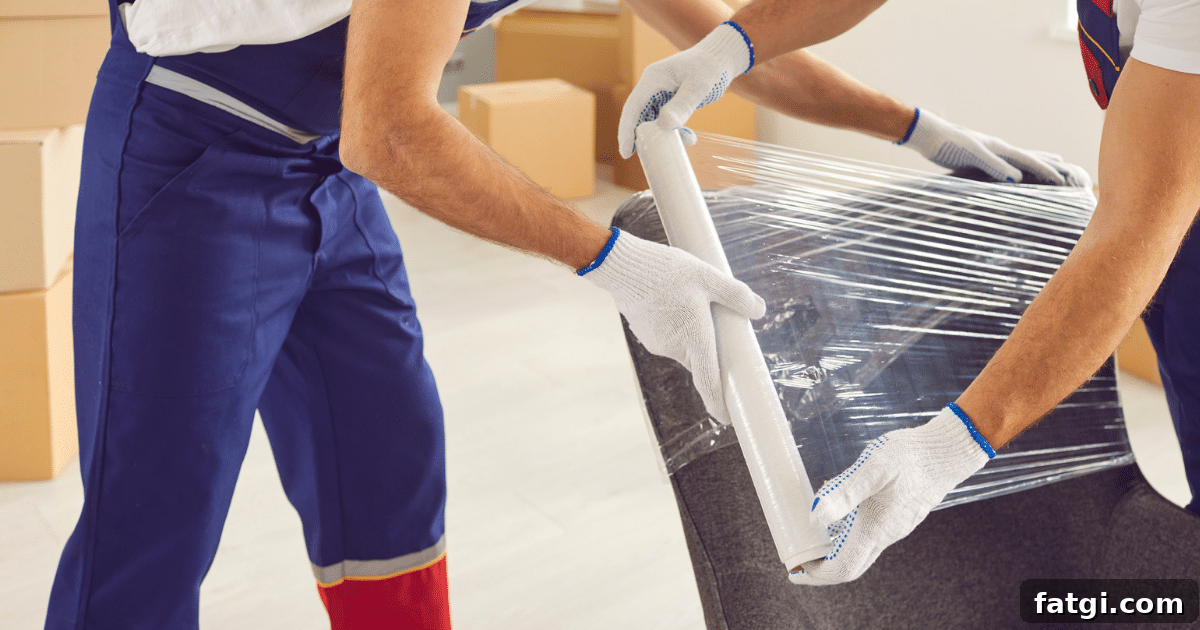
Use sturdy boxes, protective wrapping, packing paper, and strong tape. Label each box with its contents and the room where it belongs. Mark fragile boxes clearly so movers know to handle them with extra care. For important documents, medications, valuables, chargers, and personal items, pack a separate bag that stays with you during the move.
Update Important Documents
Administrative tasks can be easy to overlook, but they are essential during a long-distance relocation. Update your address with banks, insurance providers, employers, government agencies, healthcare providers, and any subscription services you use. Forwarding your mail can also help ensure important letters reach you while your address changes are being processed.
If you are moving with children, arrange for school records to be transferred. If you have ongoing medical care, request copies of health records or ask about transferring them to a new provider. Keeping documents organized will make the transition much smoother.
Prepare for the First Week
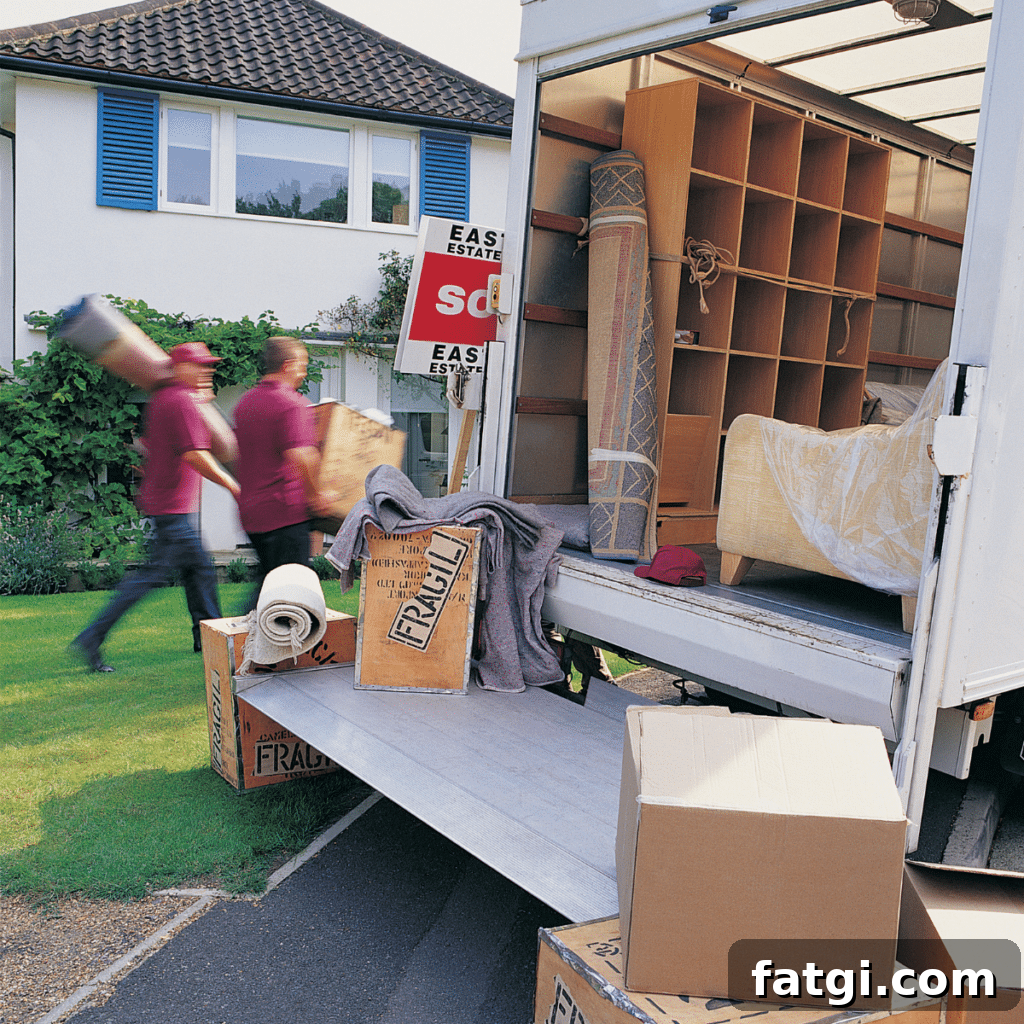
Your first few days in a new home can feel chaotic, especially if most of your belongings are still packed. Prepare a first-week essentials kit with toiletries, medications, basic cleaning supplies, towels, bedding, chargers, snacks, simple cookware, pet supplies, and several changes of clothing.
This kit helps you function comfortably while you unpack at your own pace. Instead of searching through multiple boxes for everyday items, you can focus on getting settled, resting after the move, and learning your new surroundings.
Familiarize Yourself with New Regulations
Every city, state, or country has its own rules and local expectations. Before you arrive, learn about parking restrictions, trash collection schedules, recycling rules, vehicle registration requirements, pet regulations, and neighborhood guidelines. These details may seem small, but understanding them early can prevent fines and frustration.
If your move takes you to another country, there may be additional requirements related to visas, customs, driving laws, healthcare, and local practices. Preparing in advance can help you adjust more quickly and feel more confident in your new environment.
Set Up Utilities and Services
Arriving at your new home without electricity, water, internet, or heating and cooling can make an already tiring move more difficult. Contact utility providers before moving day to schedule service activation or transfers. Confirm start dates and keep account details handy.
It is also helpful to arrange services such as trash pickup, internet installation, and home security in advance. Taking care of these details early allows your new home to feel livable from the moment you arrive.
Explore Storage Options
Sometimes everything cannot move into the new home right away. You may be downsizing, waiting for a lease or closing date, or deciding where certain items should go. In these situations, storage can be a practical solution.
Look for a storage facility that offers strong security, clean units, convenient access, and climate control if you need to store sensitive belongings. Compare sizes and rental terms so you only pay for the space and time you need.

Say Goodbye Properly
Moving away from a familiar place can be emotional. Take time to say goodbye to friends, neighbors, coworkers, and favorite local places. These moments provide closure and allow you to appreciate the life you built before starting a new chapter.
You might host a small gathering, plan a few quiet visits, or take one final walk through meaningful locations. However you choose to say goodbye, making space for these moments can help you leave with gratitude instead of feeling rushed or unfinished.
Stay Flexible and Positive
Even the most organized long-distance move can come with unexpected challenges. Delivery times may change, weather may affect travel, paperwork may take longer than expected, or plans may need to be adjusted. Flexibility is essential.
A positive mindset can make the process easier to handle. Instead of viewing every delay as a setback, try to see it as part of the transition. Staying calm, problem-solving step by step, and focusing on the reason behind your move can help you manage stress and keep moving forward.

Conclusion
A successful long-distance move is not about making every detail perfect. It is about preparing well, staying organized, and adapting when things change. From budgeting and hiring dependable movers to updating documents and packing essentials, each step supports a smoother transition into your new home.
Relocation is both a practical process and a personal milestone. It gives you the chance to build new routines, meet new people, and create a fresh sense of home. With thoughtful planning and a steady attitude, your long-distance move can become the beginning of a positive and meaningful new chapter.