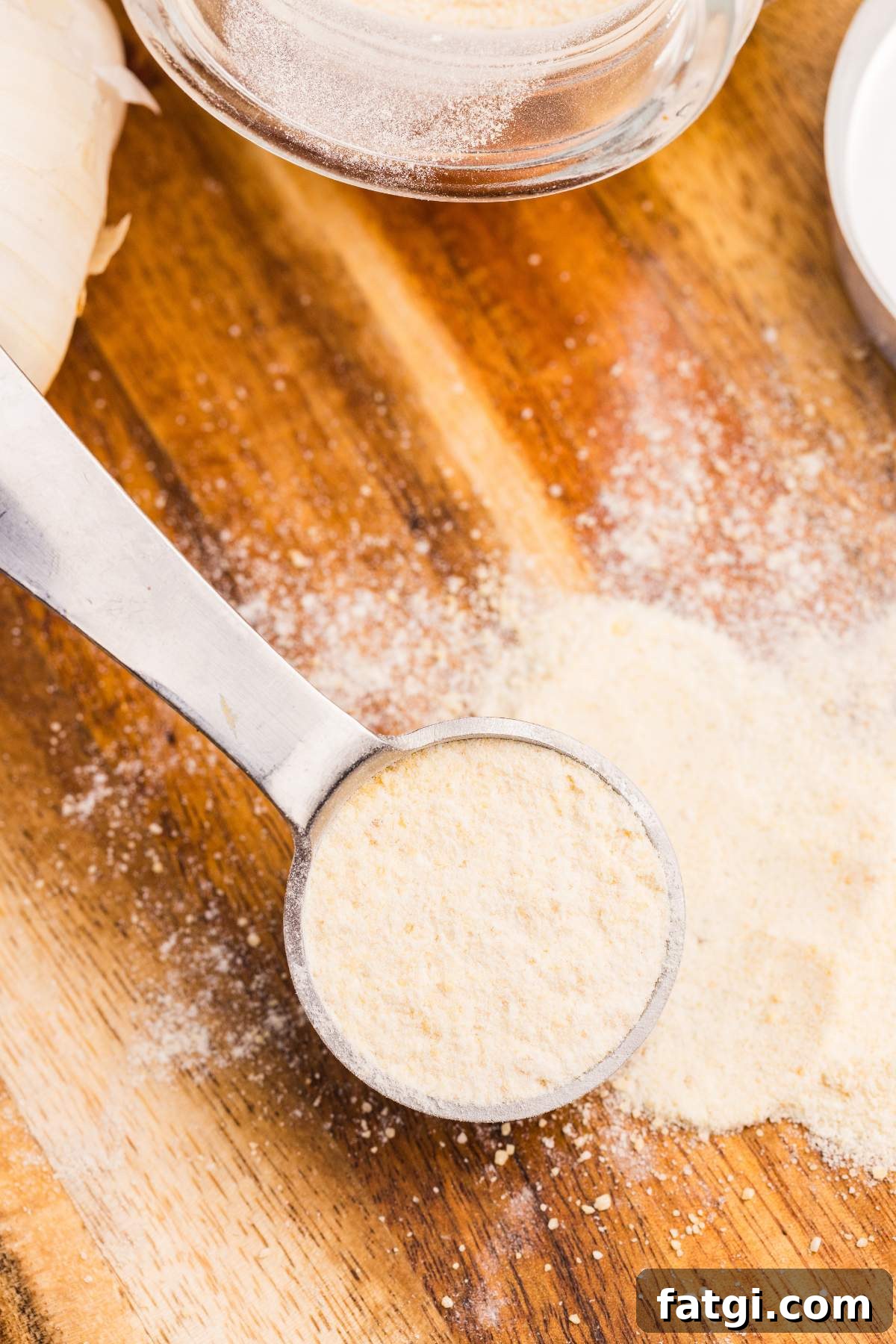
I used to assume garlic powder was one of those pantry staples you should just buy—until I ran out mid-recipe and had a bowl of fresh garlic on the counter. One dehydrator run later I realized homemade garlic powder is cheaper, brighter in flavor, and surprisingly satisfying to make. Now I dehydrate a large batch each fall after the harvest, and a single jar lasts through winter. If you’ve never made it yourself, this guide is an easy place to start: one ingredient, no specialized tools required, and a big payoff in aroma and taste.
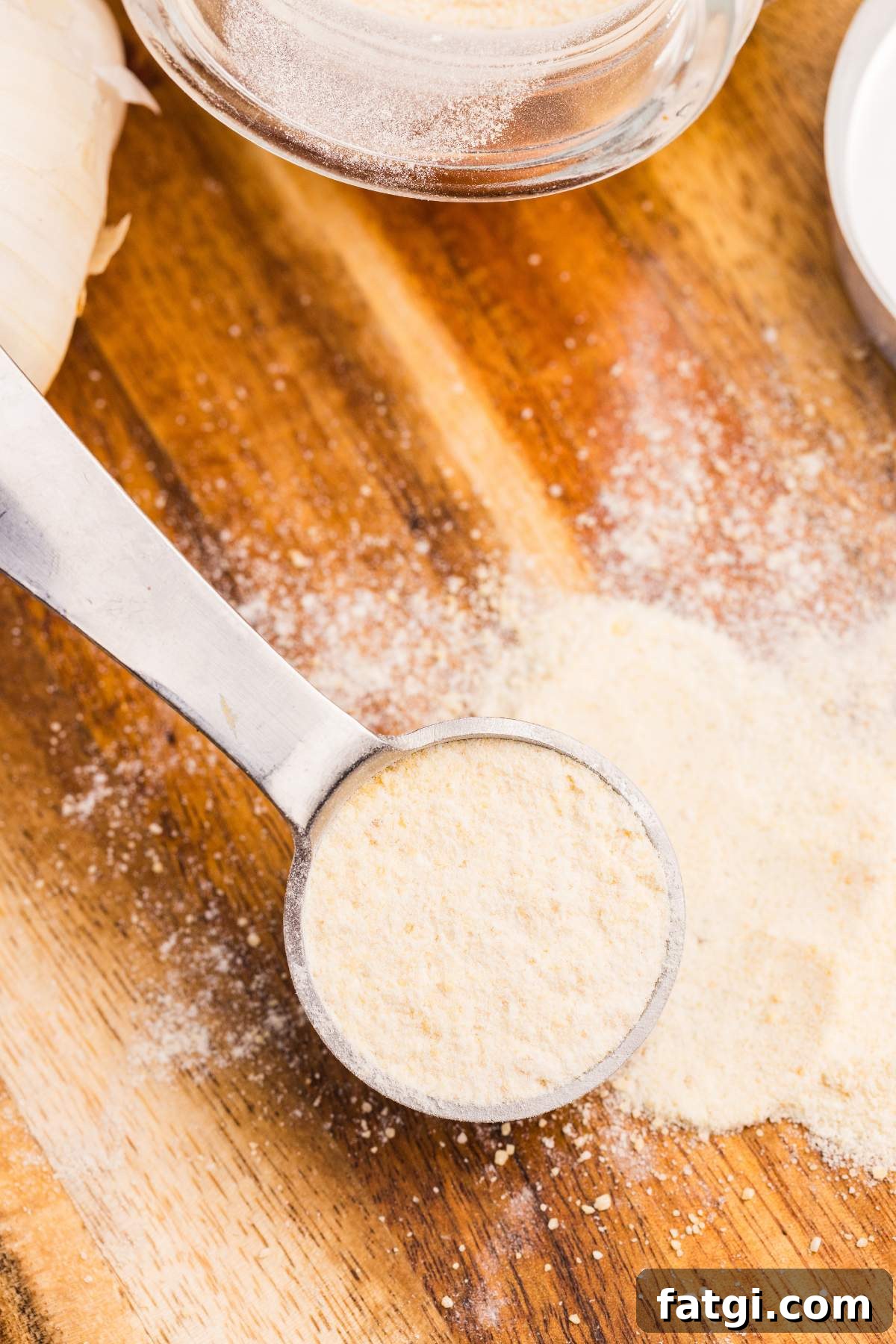
Think of this as a pantry refresher: a straightforward method that turns peeled garlic cloves into a long-lasting, versatile seasoning. Use it in soups, rubs, sauces, dressings, or anywhere you’d reach for store-bought garlic powder. The homemade version is fresher, more potent, and you can control the texture from fine powder to coarse granules.
Table of Contents
- What You’ll Need
- Step by Step Instructions
- Storage Instructions
- Questions
- Printable Recipe
What You’ll Need
Ingredients
- 8 oz peeled whole garlic cloves
Equipment
- Dehydrator (or low-temperature oven)
- Parchment paper to line trays
- Spice grinder or mortar and pestle for grinding
- Food processor or sharp knife for chopping (optional)
- Airtight jar for storage
Step by Step Instructions
Step 1: Prep the Garlic
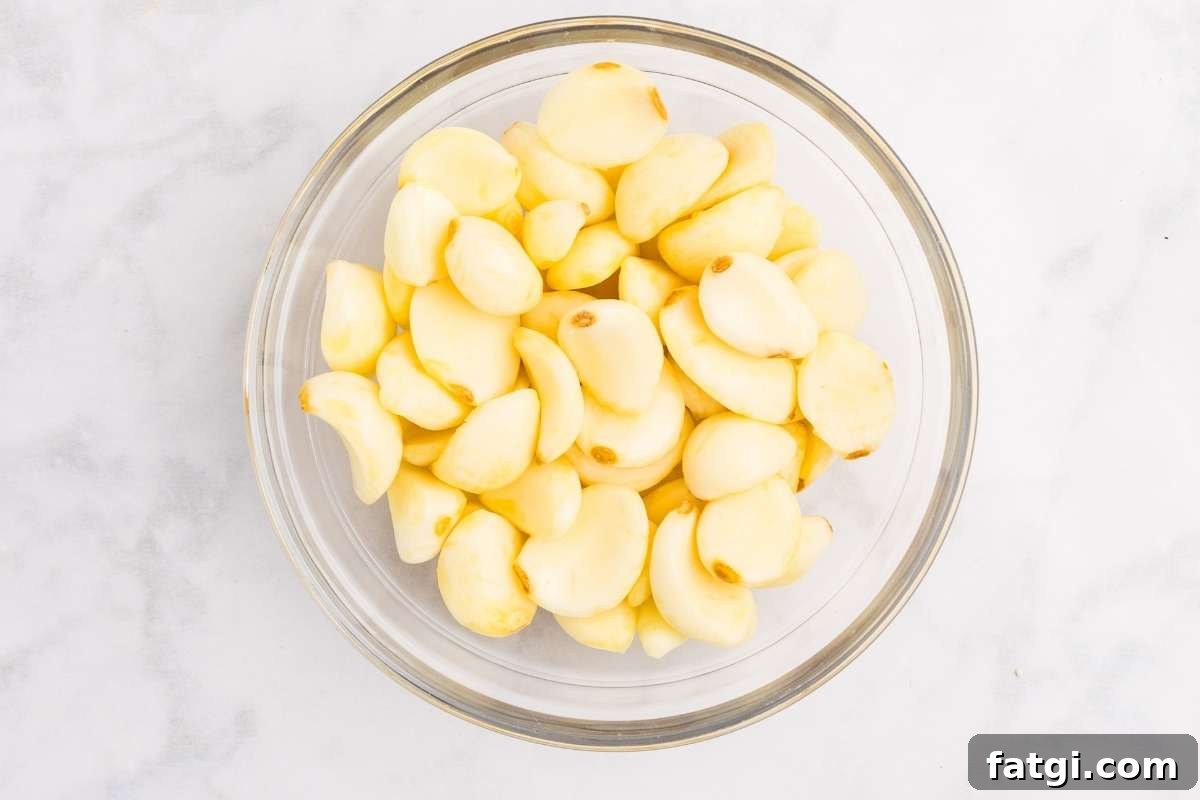
If you bought whole bulbs, separate and peel the cloves. To speed peeling for larger batches, put the cloves in a metal bowl, cover with another bowl, and shake vigorously for 15–20 seconds—most skins will come off. Alternatively, smash each clove lightly with the flat side of a knife to loosen the skin or use a roller if you have one.
Step 2: Chop the Garlic
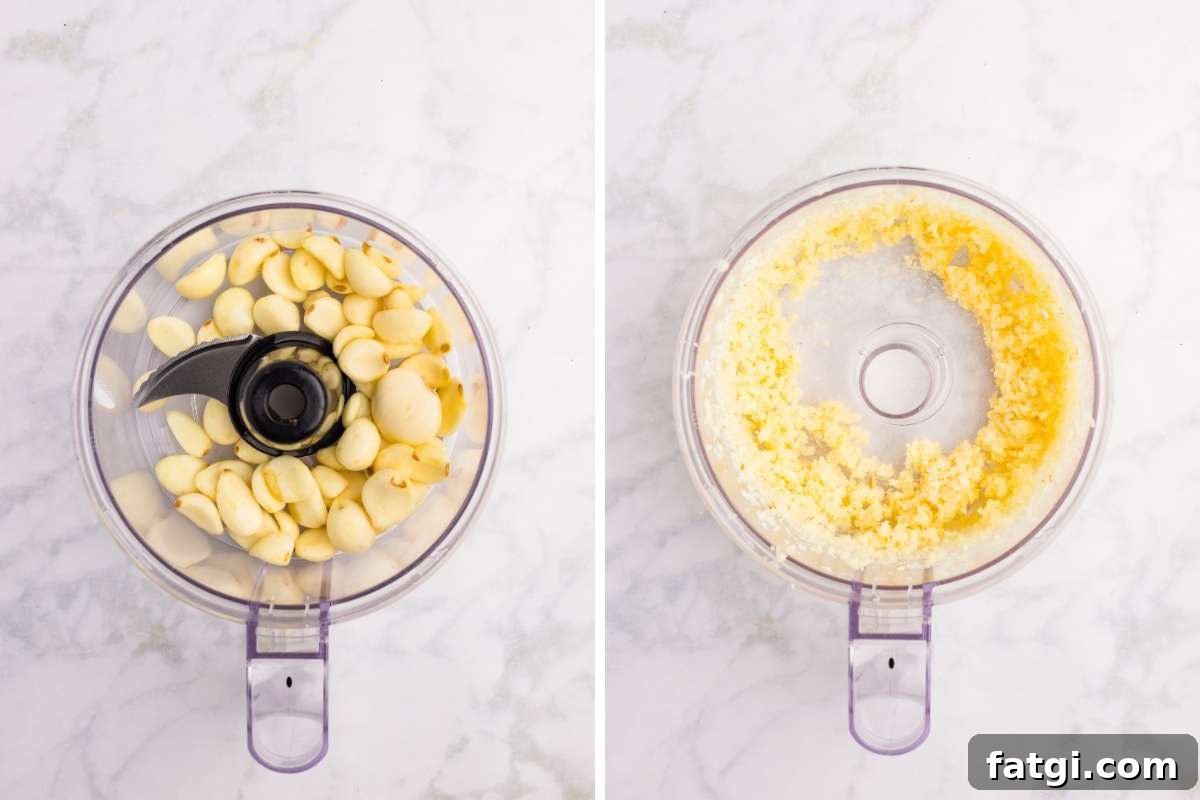
Chop the peeled cloves into small, even pieces so they dry quickly and uniformly. A food processor pulsing a few times works well—avoid turning the cloves into a paste. If you don’t have a processor, use a sharp knife and try to keep pieces similar in size to ensure even dehydration.
Step 3: Spread Onto Trays
Line your dehydrator trays with parchment paper and spread the chopped garlic in a single, thin layer. Avoid piling the pieces; crowded or thick areas dry slowly and can remain soft in the center, which risks clumping or spoilage later.
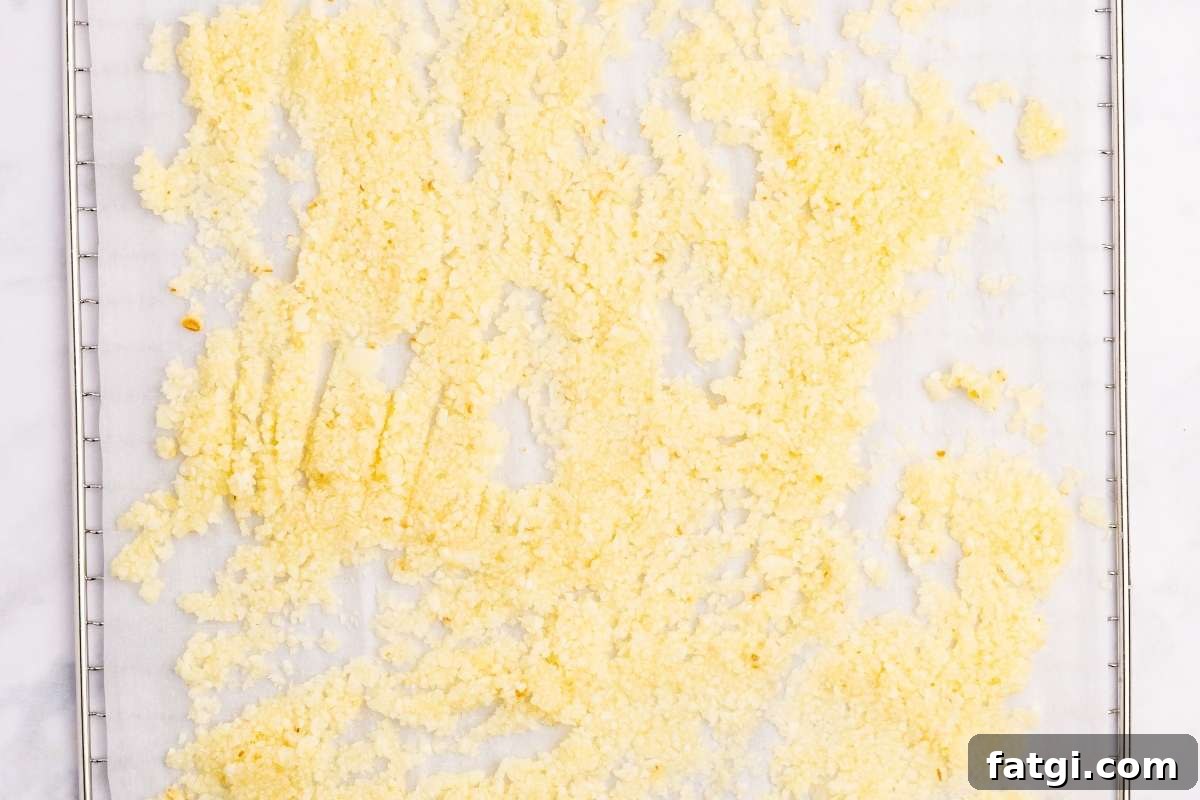
Parchment keeps strong garlic aromas from seeping into plastic trays and makes cleanup much easier—especially important if you use the dehydrator for fruits or other flavors.
Step 4: Dehydrate
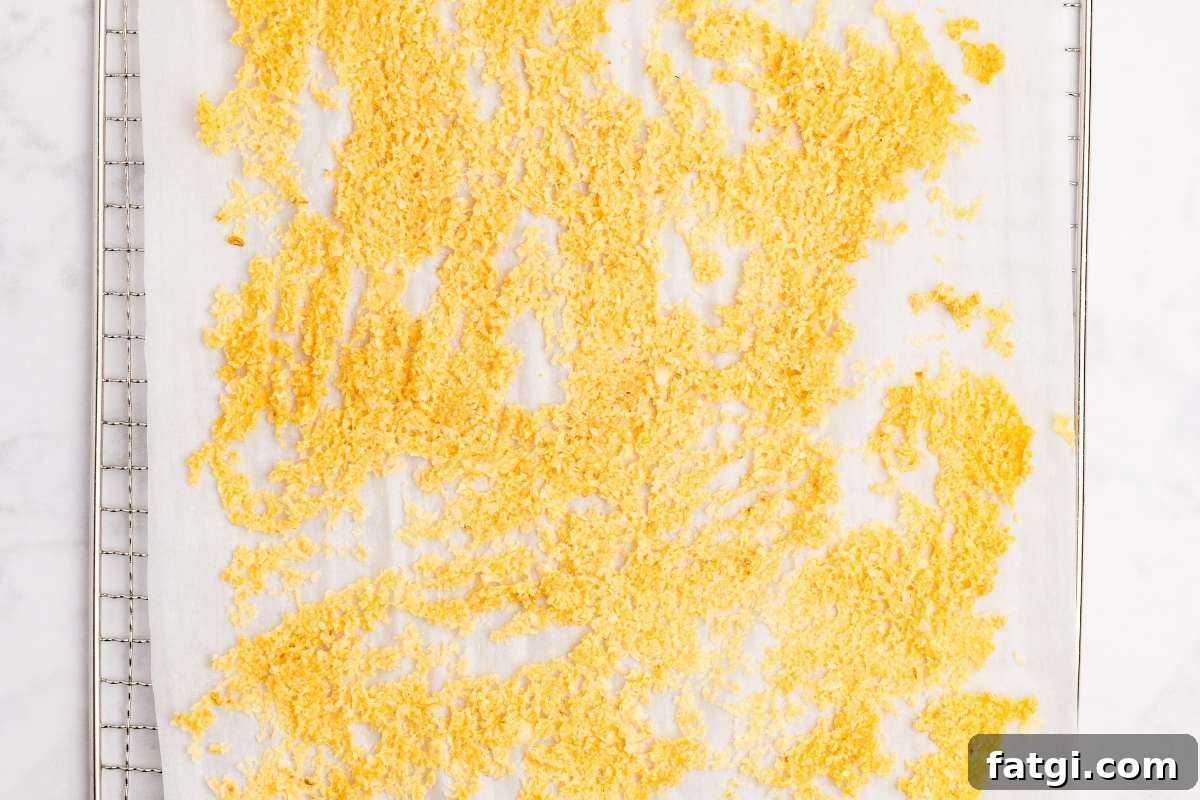
Dry the garlic at about 135°F (57°C) for roughly 6–10 hours, depending on piece size and ambient humidity. Check halfway through and stir or flip the pieces to promote even drying. The garlic is finished when it is completely dry and brittle; a piece should snap rather than bend.
Step 5: Grind
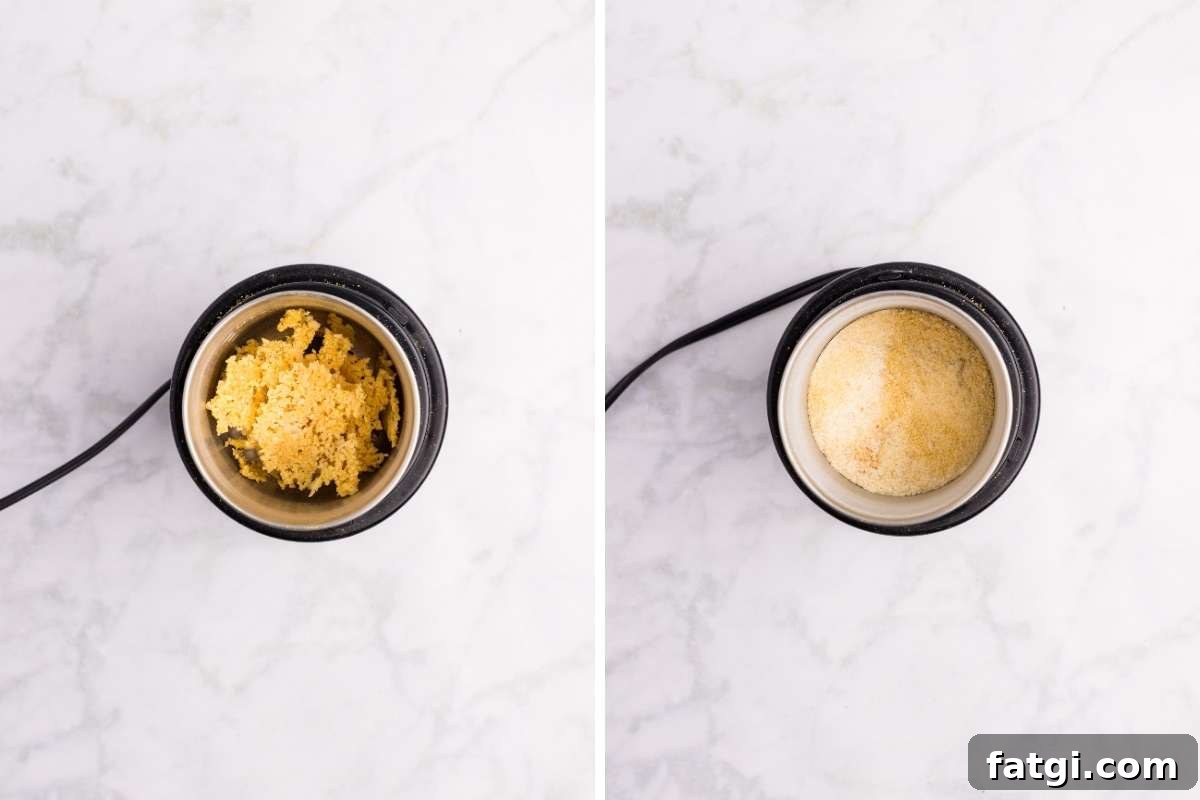
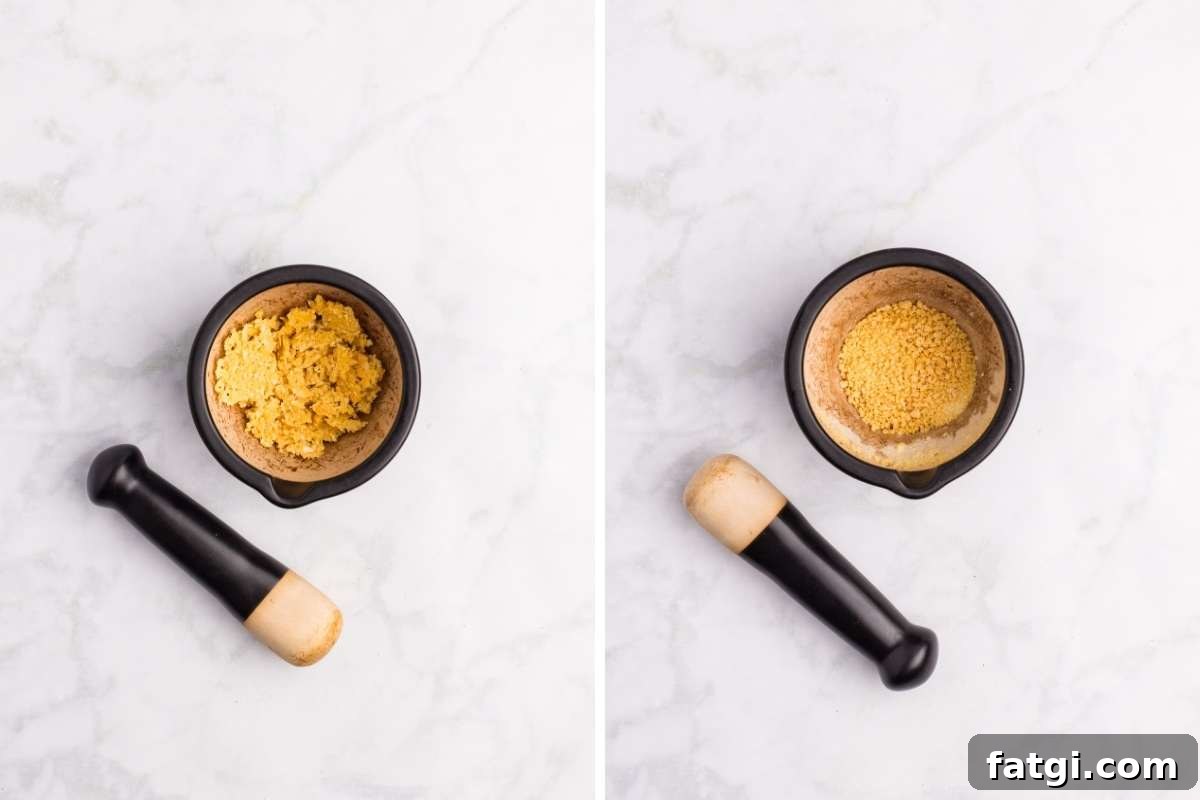
Allow the dried garlic to cool fully, then grind in small batches to the desired texture. A spice grinder or coffee grinder dedicated to spices makes a fine powder; a few quick pulses yields a coarser granulated garlic. A mortar and pestle can also work for smaller amounts. Grinding in batches prevents overheating and clumping, and helps you control the final texture.
Step 6: Store
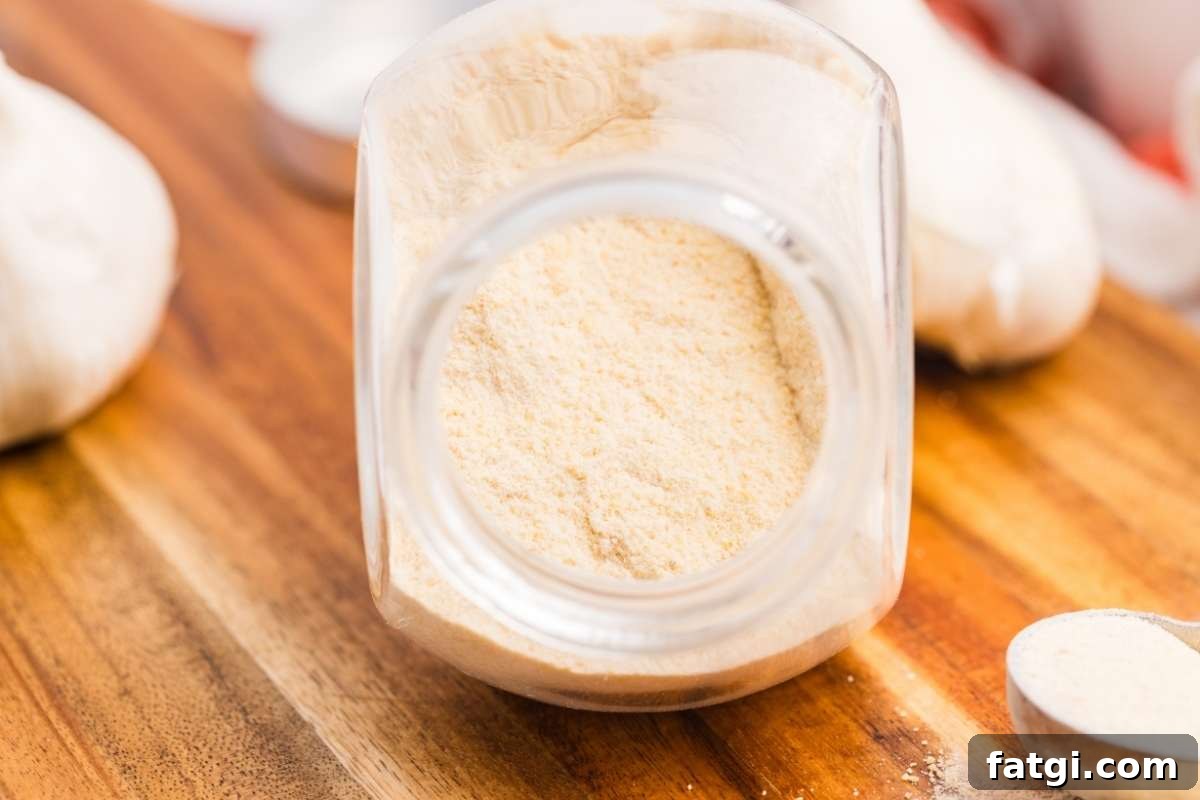
Transfer the finished garlic powder to an airtight jar or spice container, label it with the date, and keep it in a cool, dark pantry. If you live in a humid climate, include a small food-safe desiccant to absorb moisture and prevent clumping. Properly dried and sealed, homemade garlic powder retains peak flavor for up to six months.
Storage Instructions
Store your garlic powder in an airtight container away from heat, light, and humidity. Avoid storing near the stove or a sunny window. If the powder clumps, gently shake the jar or add a food-safe desiccant packet. For the longest shelf life, vacuum sealing or refrigerating in a dry environment can help, but a cool pantry is usually sufficient.
Questions
It should be brittle and snap when broken. If pieces bend or feel leathery, continue drying and recheck every 20–30 minutes.
Garlic can develop a green or blue tint if it reacts with acids or moisture before fully drying. It’s safe to eat but drying completely prevents the color change.
Yes. Use the oven’s lowest temperature (around 170–200°F), prop the door slightly open for air circulation, and expect shorter drying times—typically 4–6 hours—while checking frequently.
Garlic has a strong aroma when drying. If possible, run the dehydrator outdoors or in a well-ventilated area to minimize lingering scents.
Printable Recipe
Homemade Garlic Powder
Equipment
- Food processor or sharp knife
- Dehydrator or oven
- Parchment paper
- Spice grinder or mortar and pestle
- Airtight jar
Ingredients
- 8 ounces peeled garlic cloves
Instructions
- Peel and roughly chop or pulse the garlic into small, even pieces.
- Line dehydrator trays with parchment and spread garlic in a thin layer.
- Dry at 135°F (57°C) for 6–10 hours, stirring once halfway, until fully brittle.
- Let cool, then grind in a spice grinder or mortar to desired texture.
- Store in an airtight jar in a cool, dark place for up to six months.
Notes
Cool the dried garlic fully before grinding to avoid trapped warm moisture. In humid climates, include a food-safe desiccant packet to reduce clumping. Grinding in small batches yields a finer, more consistent powder.