January often brings resolutions to lose weight. The truth is: you don’t need restriction for long-term weight loss. Read on to learn why highly restrictive diets usually fail and what to do instead.

Nine days into the new year — are you already feeling pressured to diet?
Restrictive dieting feels like a fast track to results, but experience and research both show it rarely produces lasting change. Many people try cutting carbs, counting every calorie, or eliminating entire food groups, only to find those approaches unsustainable and demoralizing.
Why restrictive diets don’t work for long-term weight loss
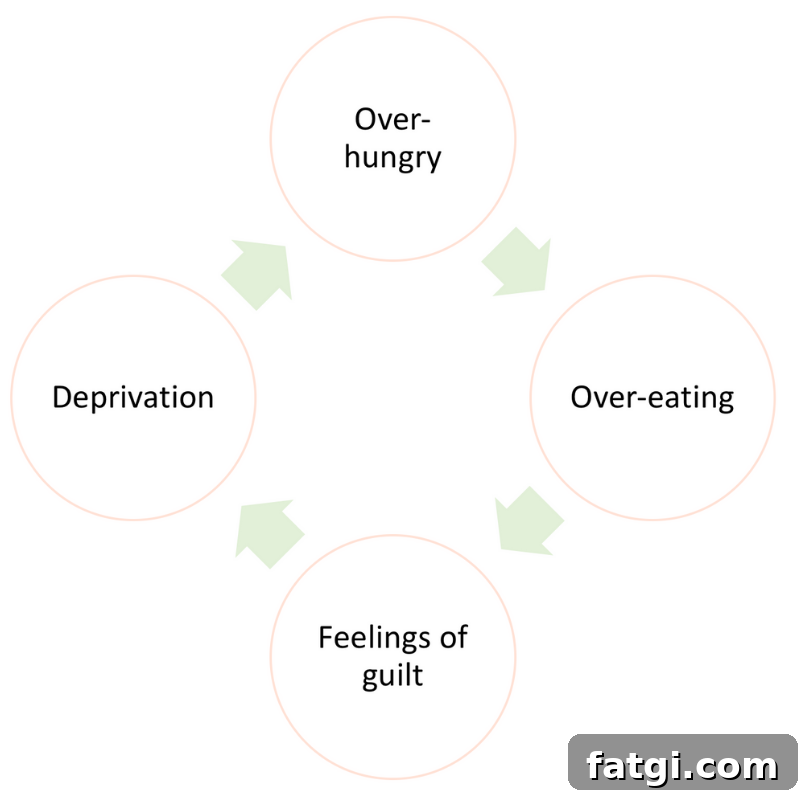
Severe restriction often leads to a cycle of under-eating, bingeing, guilt, and renewed restriction. Willpower alone can’t outlast physiological hunger and the brain’s response to deprivation. When you finally give in, one treat can become several, and the emotional fallout makes you revert to restrictive behaviors again.
Beyond behavior, prolonged calorie restriction can slow your metabolism. When you chronically eat less than your body needs, your resting metabolic rate adapts downward to conserve energy for vital functions. Hormonal changes also occur: hunger-promoting hormones rise while fullness signals fall, which increases appetite and undermines weight loss efforts.
Because of these biological and psychological responses, many people regain the weight they lost — and sometimes more. Eliminating an entire food group without a medical reason (dairy, gluten, or carbs) is a form of restriction and rarely sustainable unless medically required.
Bottom line: you don’t need restriction for long-term weight loss. Cutting out foods temporarily can backfire, so focus on approaches you can maintain for years rather than weeks.
What to do instead of a restrictive weight loss plan
Instead of promising to remove every sweet, dairy item, or grain from your life, try a balanced, flexible approach that supports both health and enjoyment. Sustainable behavior changes lead to maintainable health improvements and steady weight loss over time.
Here are practical strategies you can start using today.
5 Ways to Lose Weight Without Restriction
Long-term weight loss without strict restriction takes patience and consistent effort. These five steps are a solid place to begin.
-
Shift Your Mindset: Aim for Balance
Most days, prioritize balanced meals with vegetables, whole grains, lean protein, and healthy fats to promote fullness and steady energy. Leave room — about 10–20% of eating occasions — for mindful indulgences so you don’t feel deprived. Planning treats prevents the all-or-nothing mentality that fuels overeating.
-
Make Sustainable Behavior Changes
Evidence shows that changing daily habits and how you respond to food cues is essential for long-term success. Small, consistent actions (meal planning, mindful eating, regular sleep, and activity) produce bigger results over months and years than drastic short-term diets. Working with a registered dietitian skilled in behavior change can speed progress and improve adherence.
-
Eat When You’re Hungry
Skipping meals or drastically reducing intake often backfires. Eating regular, balanced meals—three meals and one or two snacks for many people—can improve appetite control and reduce the urge to overeat later. Trust your hunger signals and respond with nutrient-rich foods that include protein, fiber, and healthy fats.
Breakfast that includes protein and fiber, a satisfying lunch with vegetables and whole grains, a smart snack in the afternoon, and a balanced dinner can keep hunger and cravings manageable while supporting weight loss.
-
Add More Vegetables to Your Plate
Think about what you can add rather than what you must give up. Vegetables increase meal volume and fiber, improving fullness without excess calories. Find preparation methods you enjoy—roasting, stir-frying, or incorporating veggies into bowls and baked dishes—to make them delicious and easy to eat regularly.
-
Make Room for Your Favorite Foods
Foods like pizza, ice cream, or chocolate may not be daily staples, but they matter for enjoyment and sustainability. When you allow these foods in moderation, they lose their power to trigger overeating and guilt. Reframe how you talk about food: avoid labeling items “bad” or “off-limits.” That mindset shift helps reduce shame and creates a more peaceful relationship with eating.
The Takeaways
Restrictive diets are rarely the answer for long-term weight loss. A balanced approach—focused on regular, nourishing meals, behavior change, adding vegetables, and allowing occasional treats—supports sustainable progress and a healthier relationship with food.
If you want guidance, consider working with a registered dietitian who emphasizes sustainable strategies and behavior change to help you reach your goals and keep the results. Thoughtful, patient change beats quick fixes every time.
Make this year about steady, maintainable improvements rather than short-term restriction. Your body and mind will thank you.