
If you keep a gluten-free sourdough starter, you’ve likely noticed how quickly discard accumulates. Rather than throwing it away, use discard to add gentle tang, moisture, and improved texture to a wide variety of gluten-free baked goods. From tender quick breads and muffins to flaky biscuits, crisp crackers, and golden focaccia, sourdough discard is a versatile ingredient that reduces waste while deepening flavor. Below you’ll find practical tips for collecting and storing discard, answers to common questions, and a curated list of discard-friendly recipes to inspire your baking.

Sourdough discard is the portion of your starter you remove before each feeding. Instead of discarding it, you can incorporate that flavorful, slightly acidic mixture into recipes that call for liquid and some leavening. Using discard is an easy, economical way to add complexity to quick breads, muffins, biscuits, scones, crackers, cornbread, and more.
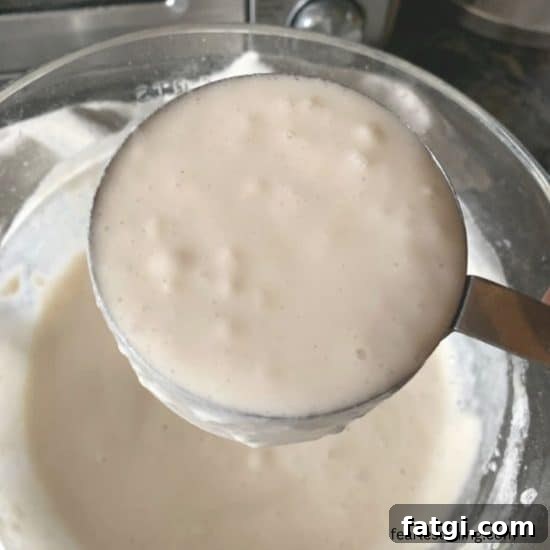
Sandi’s Discard Testing Notes:
I tested these recipes using discard from my gluten-free starter (affectionately named Winifred) at different stages: freshly fed and bubbly, and also cold and tangier from the fridge. Results change depending on how active and sour the discard is. Fresher discard tends to be milder and can help quick breads rise a bit better, while older discard adds deeper tang and more pronounced flavor. Adjust salt, sweetener, and leavening slightly based on the intensity of your discard.
Need a Gluten-Free Sourdough Starter?
If you want to bake with discard but don’t have a starter yet, it’s easy to get one going. A simple starter requires only water and gluten-free flour and can be established in several days with regular feedings. If you prefer a quicker seed, read carefully chosen starter instructions or follow a trusted step-by-step guide. All you really need is a clean jar, filtered water, and flour to begin building a healthy culture.
Why Water Quality Matters
I always use purified water when making sourdough starter. Chlorine and other chemicals in many tap waters can inhibit wild yeasts and slow starter development. Using filtered or bottled water improves reliability when cultivating a strong starter.
When to Collect and Store Sourdough Discard
- Collect discard immediately before you feed your starter.
- Only gather discard from a starter that is healthy and well established. New or weak starters won’t produce the same flavor or reliability.
- Store discard in a covered jar in the refrigerator. You can save discard from multiple days in the same jar to accumulate enough for recipes. Keep the jar labeled with the date and check it before use—discard should remain usable for a few weeks if refrigerated, but always confirm it smells and looks fresh before adding it to a recipe.
- If you notice mold or an unpleasant rotten smell, discard the jar in the trash or compost; do not pour it down the sink. Dried starter can harden and clog pipes.
Sourdough Discard: Questions and Answers
What are the benefits of using discard?
- Reduces food waste by putting leftover starter to good use.
- Adds complex, tangy flavor and moisture to baked goods.
- Enhances the performance of chemical leaveners—baking soda and baking powder often get a helpful lift from acidic discard.
- Residue left in a starter jar after switching to a clean container can be diluted and used to water garden plants, adding minor nutrients from fermentation.
Why does my discard smell very sour?
When a starter is hungry or has been in the fridge for a while, it becomes more acidic and develops a stronger sour aroma. You may also see a clear liquid on top called hooch, which indicates the starter needs feeding. Hooch is harmless but can intensify the sourness of discard—choose to mix it back in if you want extra tang or pour it off for a milder taste.
Can I use discard in recipes without yeast?
Absolutely. Using discard in recipes that rely on chemical leaveners is one of the simplest and most reliable ways to use it. When baking without yeast, add baking soda and/or baking powder to provide lift. The natural acidity of discard reacts with baking soda, improving rise, crumb texture, and browning.
🔑 Sandi says: When discard dries, it behaves like cement and can clog drains. Always dispose of old or excess discard in the trash or your compost bin—never down the sink.
Delicious Gluten-Free Sourdough Discard Recipes
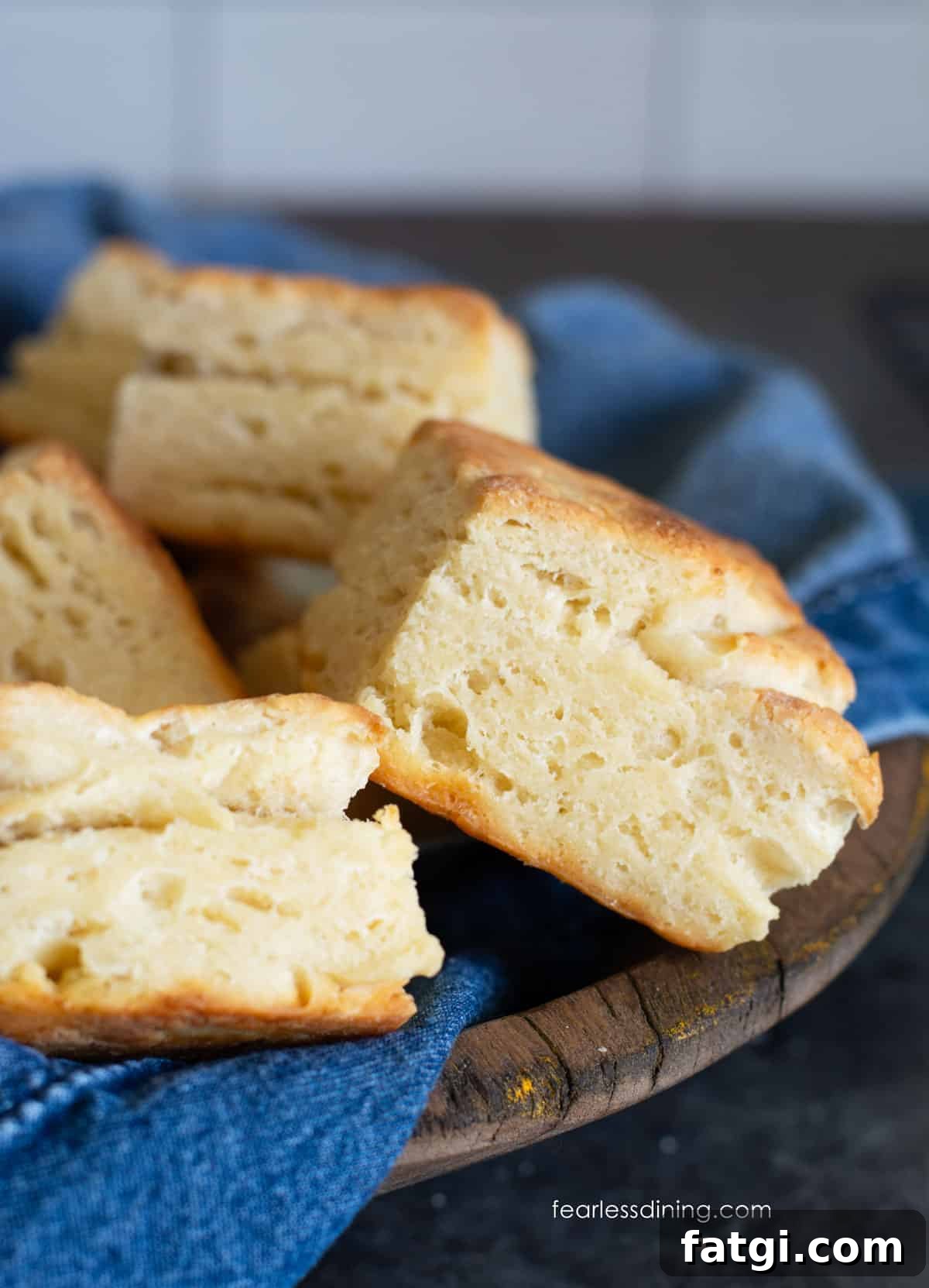
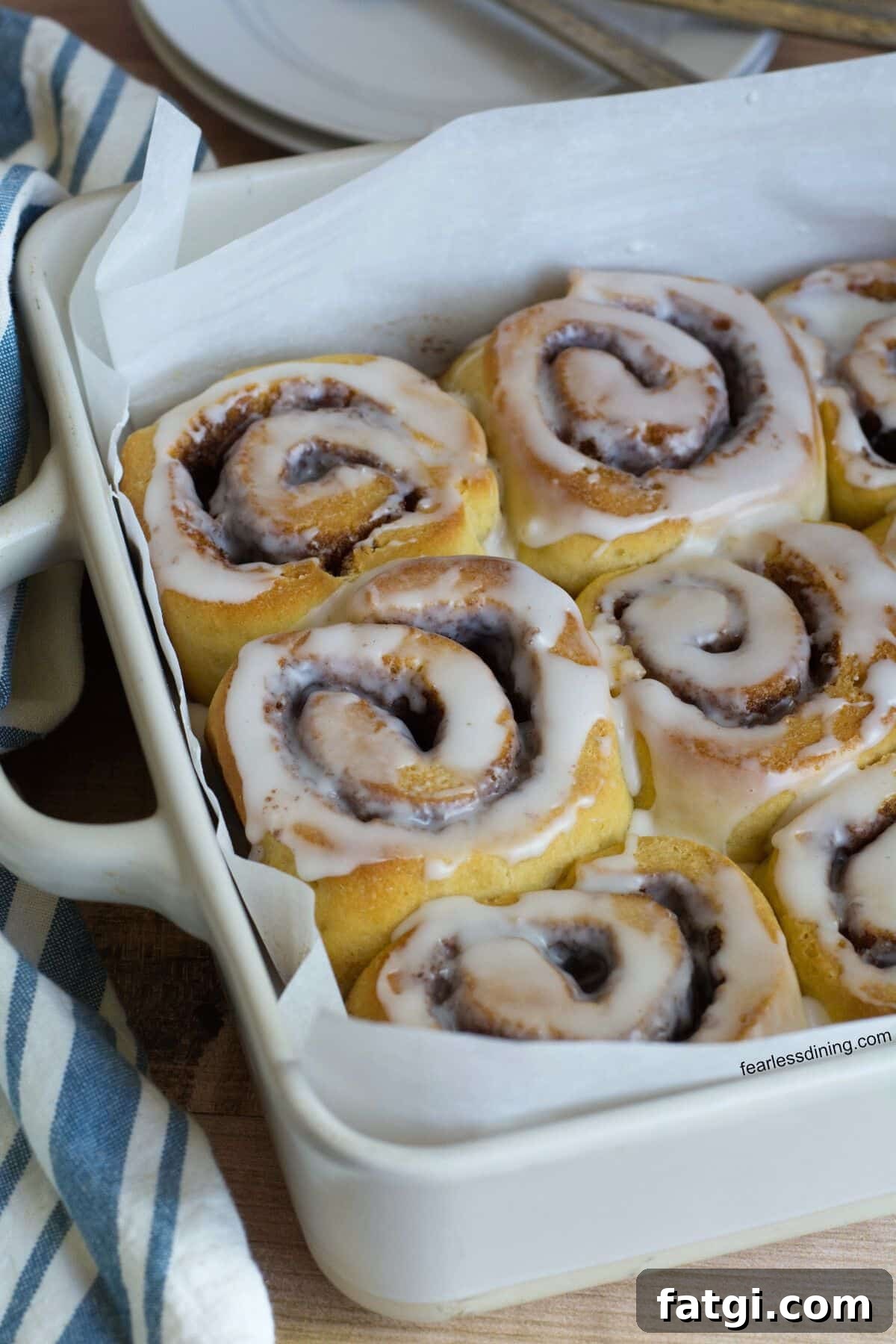
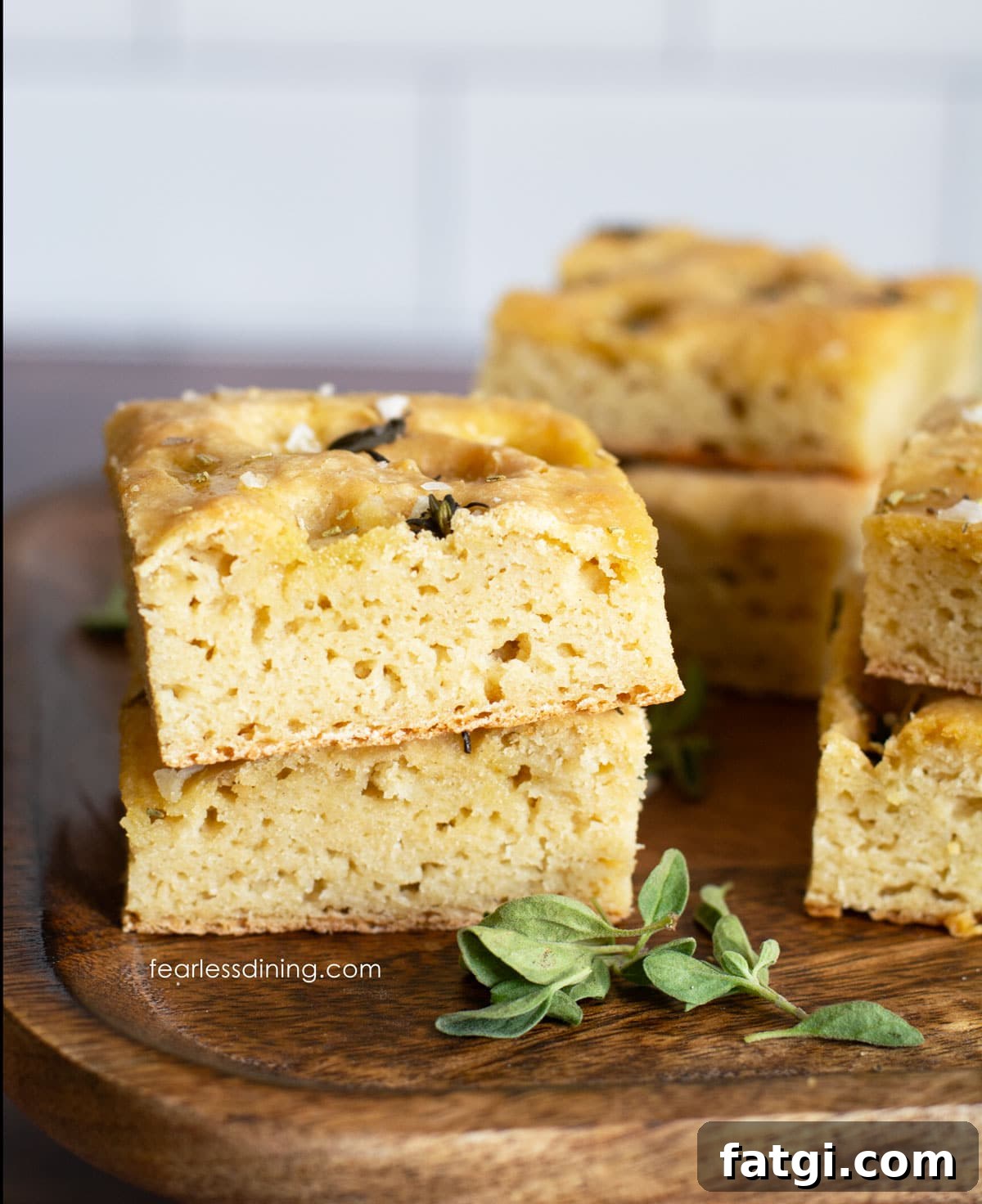
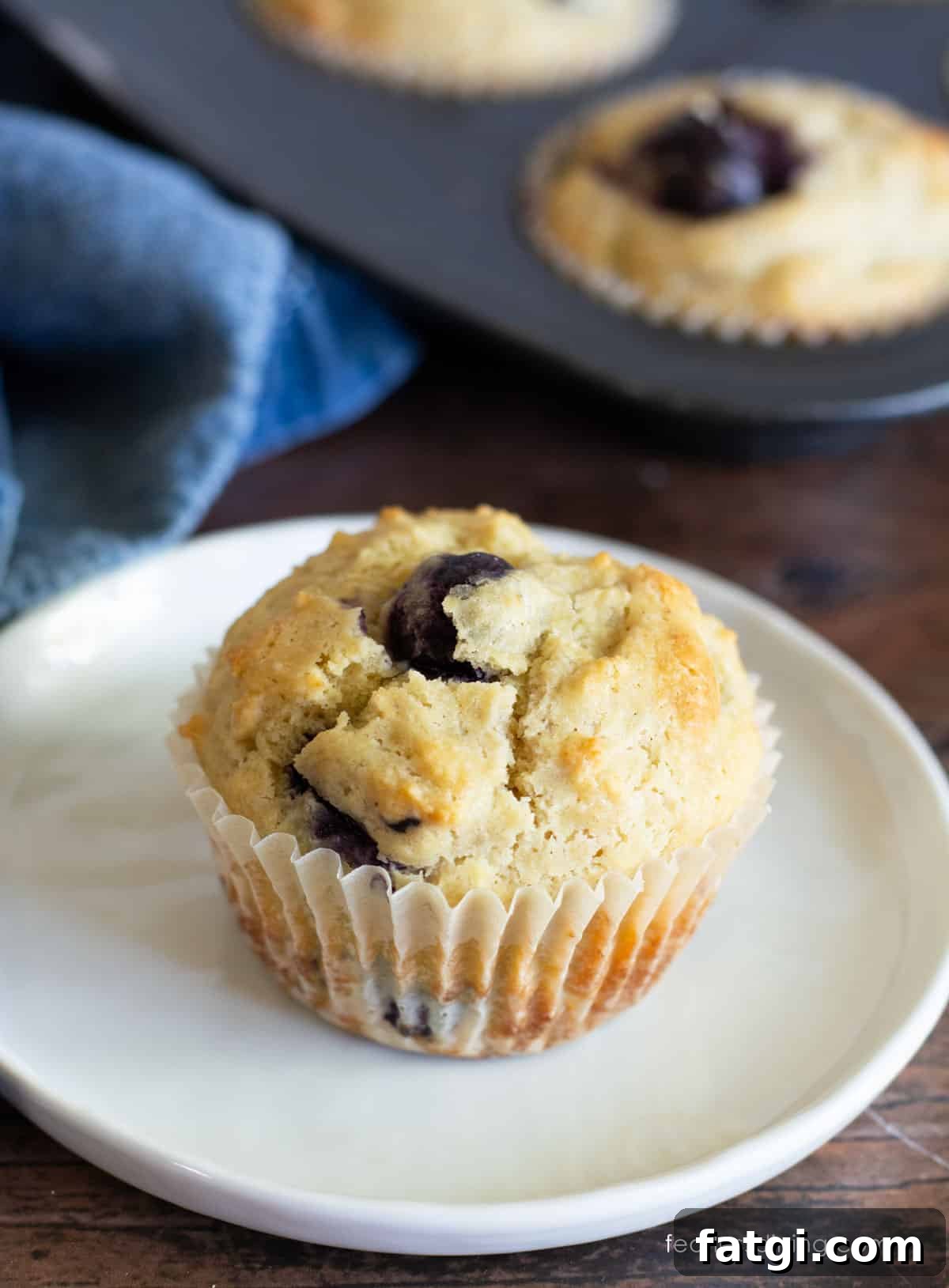
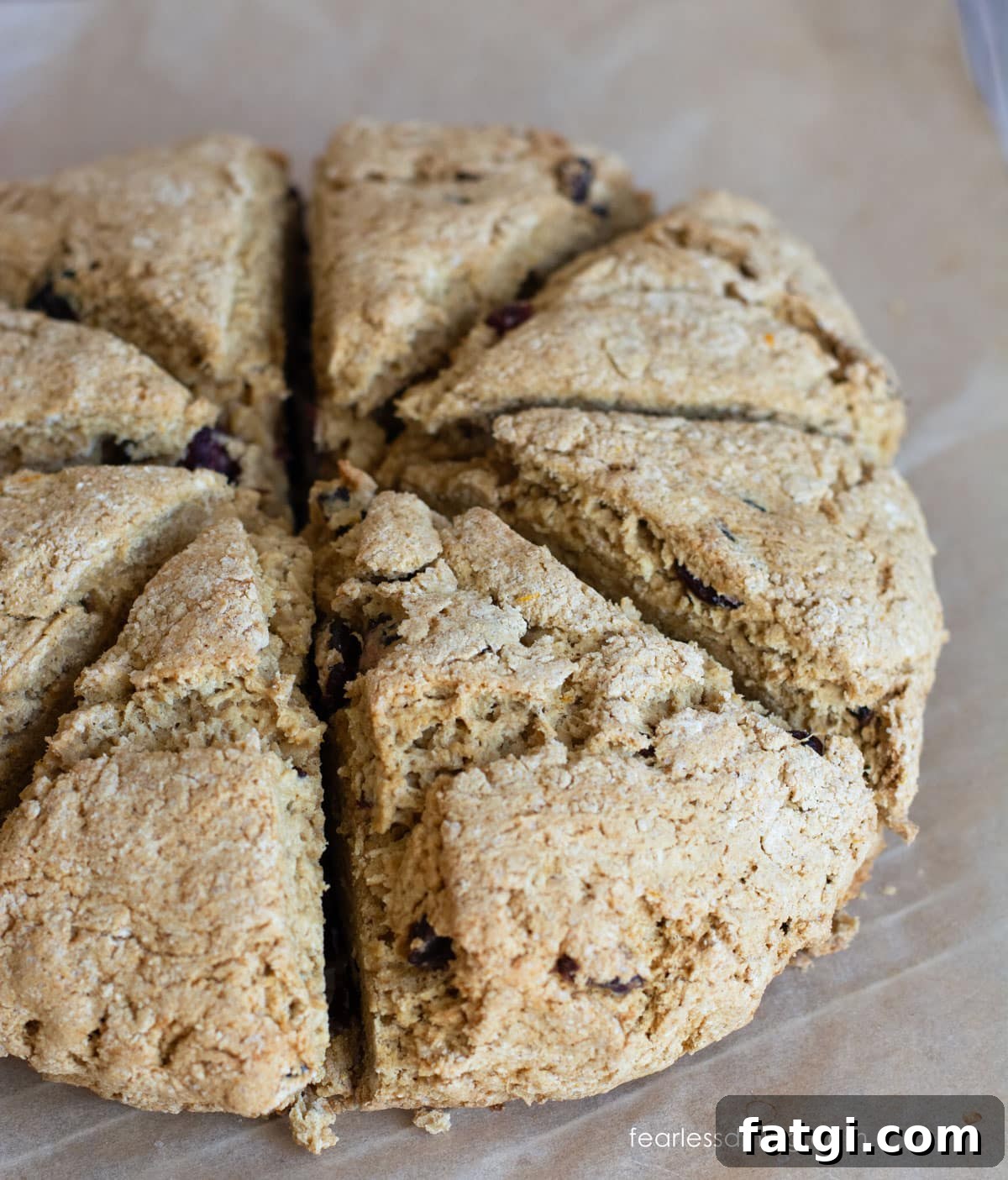
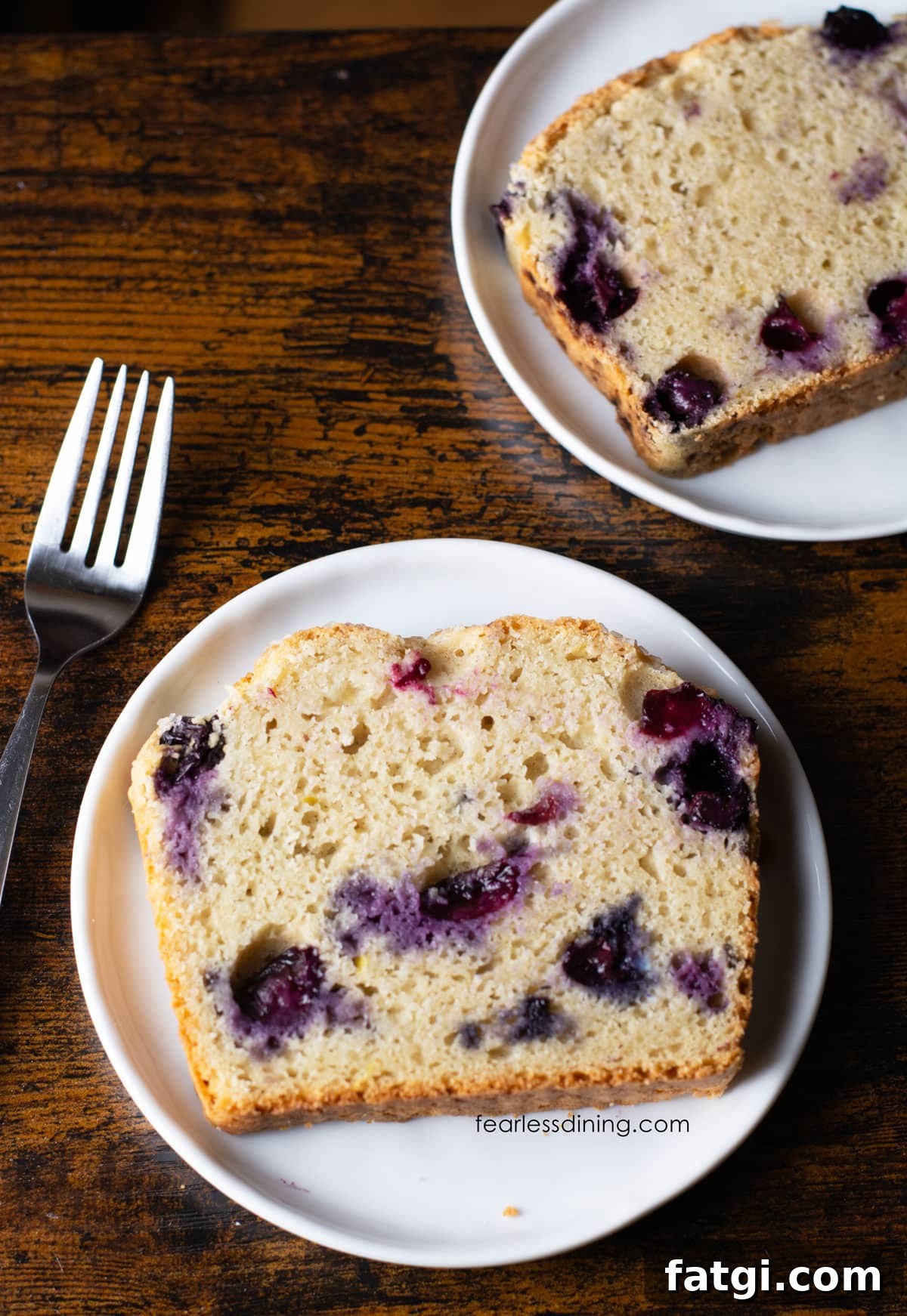
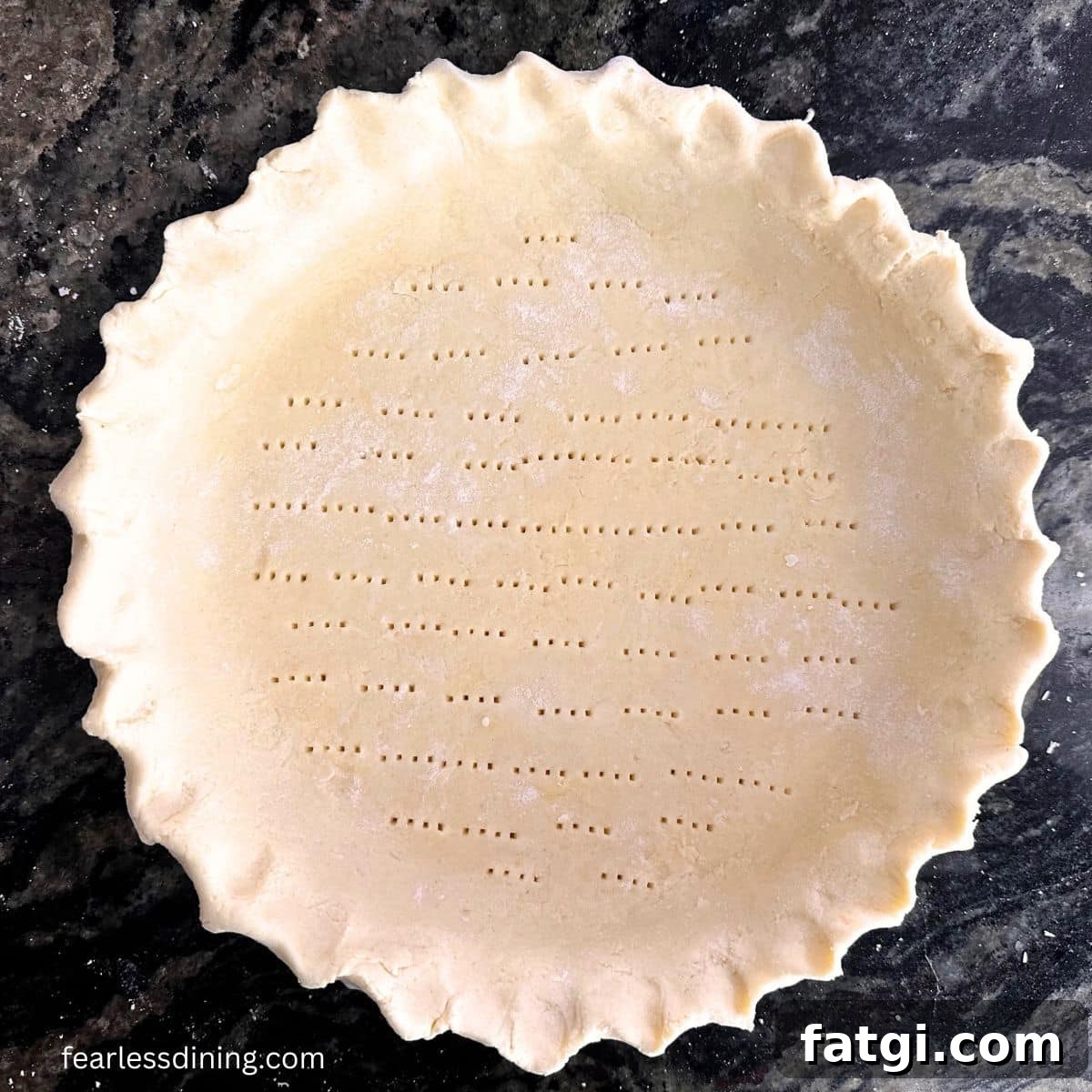
Below is a curated roundup of gluten-free recipes that welcome sourdough discard. Each recipe showcases how discard can enhance texture and flavor across both sweet and savory bakes. Try one, and adjust the amount of discard to suit the flavor intensity you prefer.
Check out this recipe
Check out this recipe
Check out this recipe
Check out this recipe
Check out this recipe
Check out this recipe
Check out this recipe
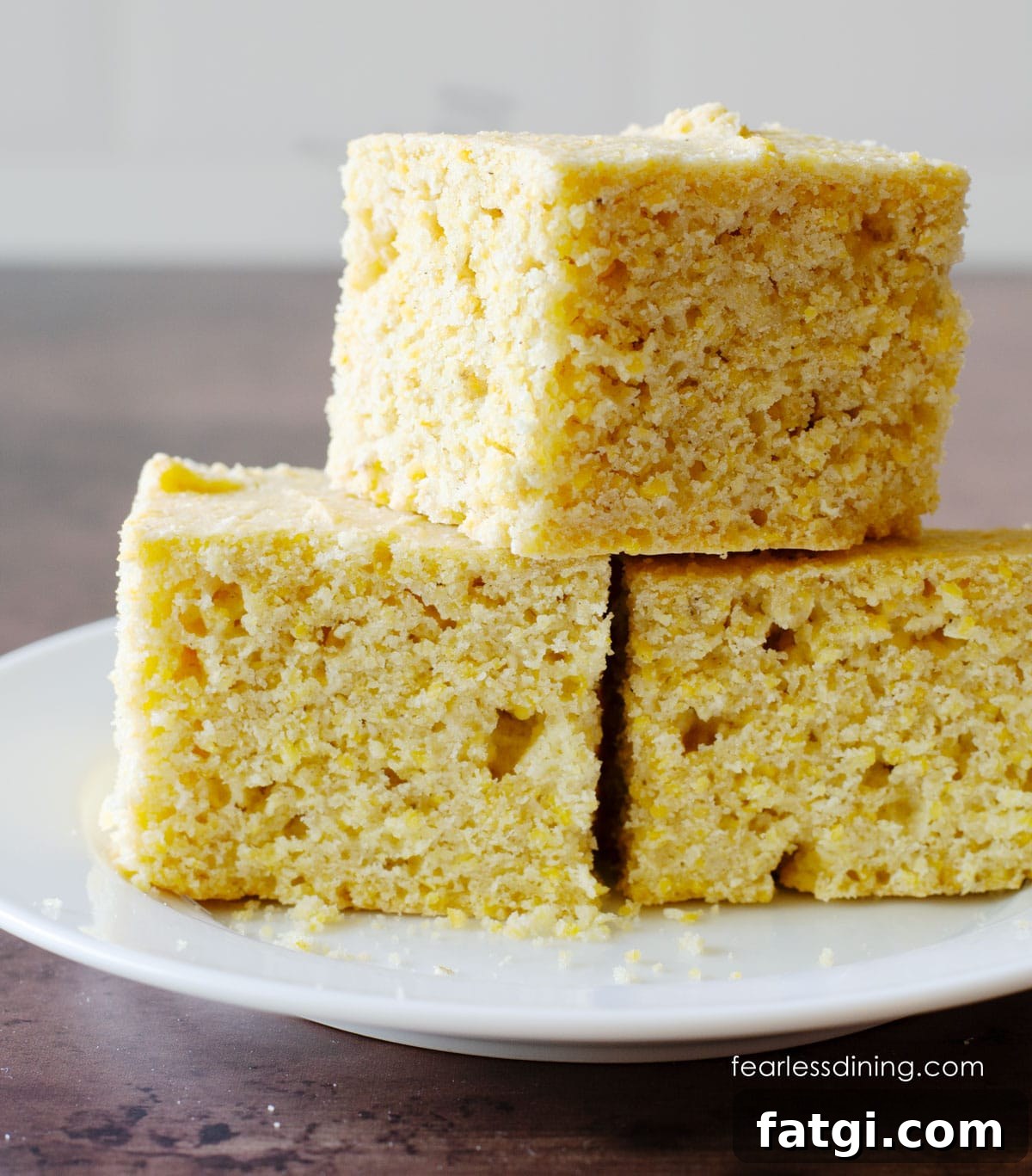
Check out this recipe
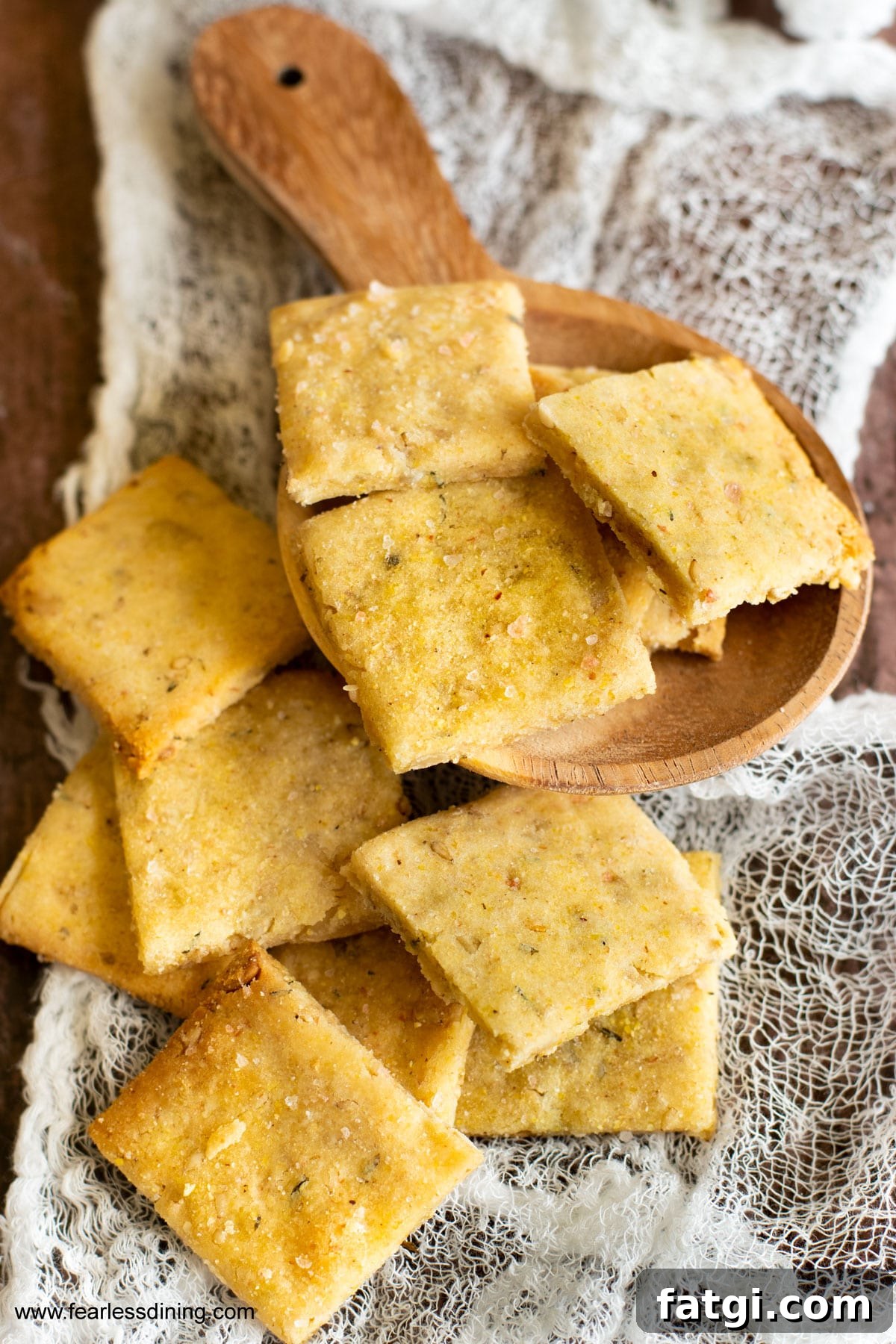
Check out this recipe
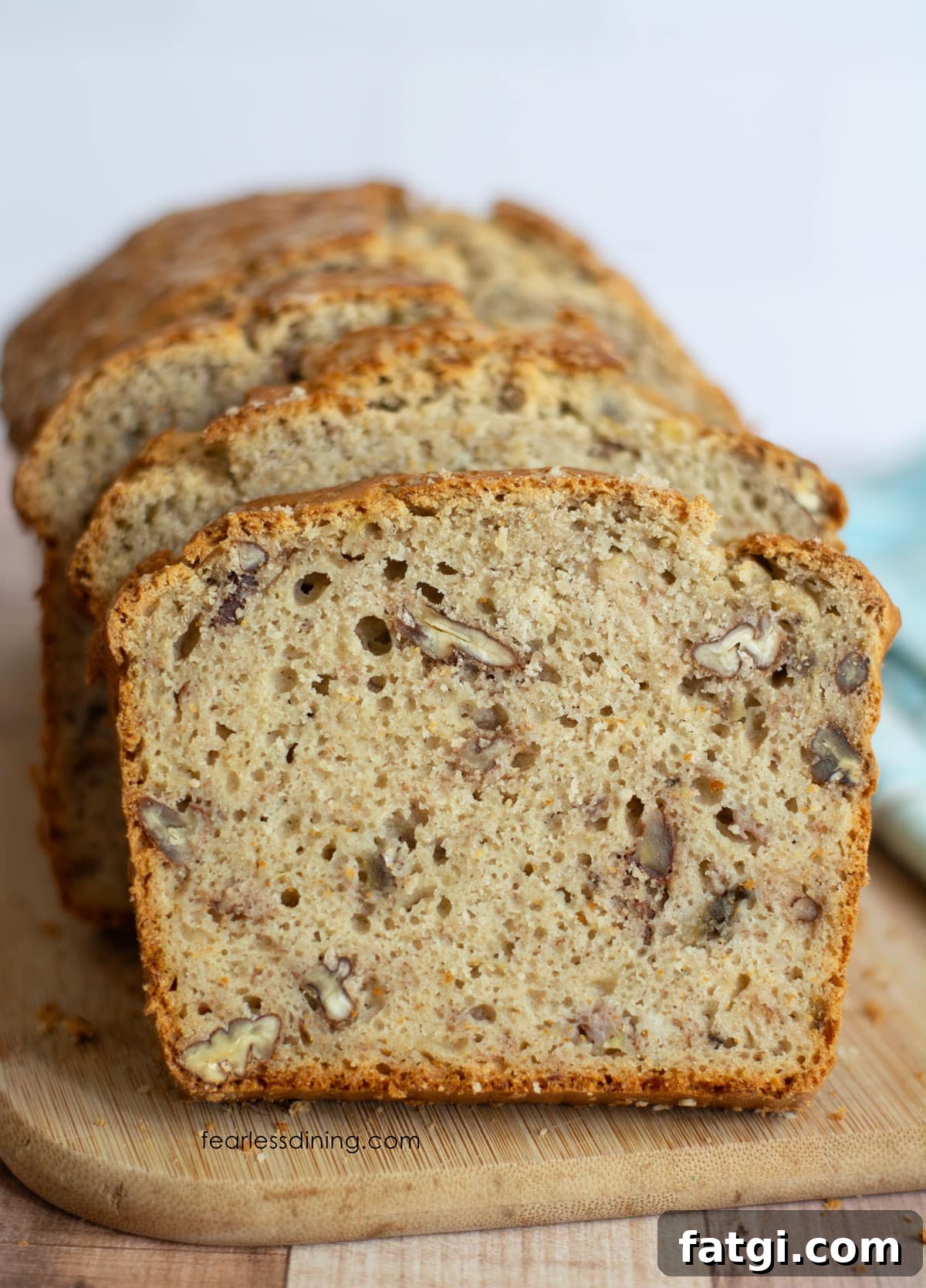
Check out this recipe
Did you make one of these recipes?
If you try a discard recipe, feedback is incredibly helpful. Share what worked for you—adjustments for altitude, flour blends, or preferred discard intensity help other bakers recreate great results.
I hope these ideas encourage you to keep and use your gluten-free sourdough discard. It’s an easy way to lessen waste, boost flavor, and experiment with new textures in naturally fermented baking. Bookmark this page or save a few favorite recipes so you can return whenever you need inspiration for using discard.