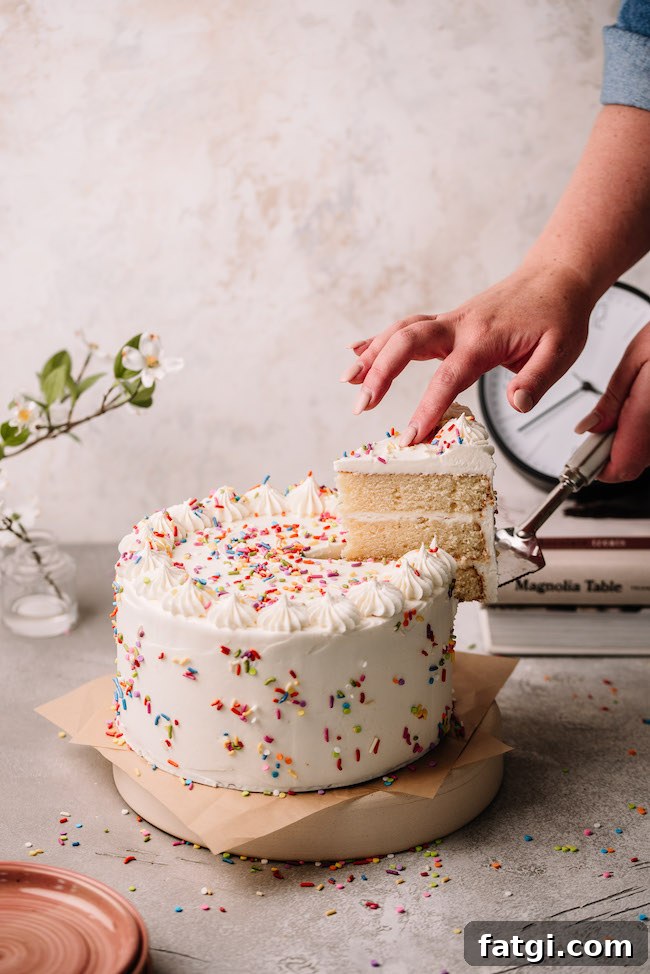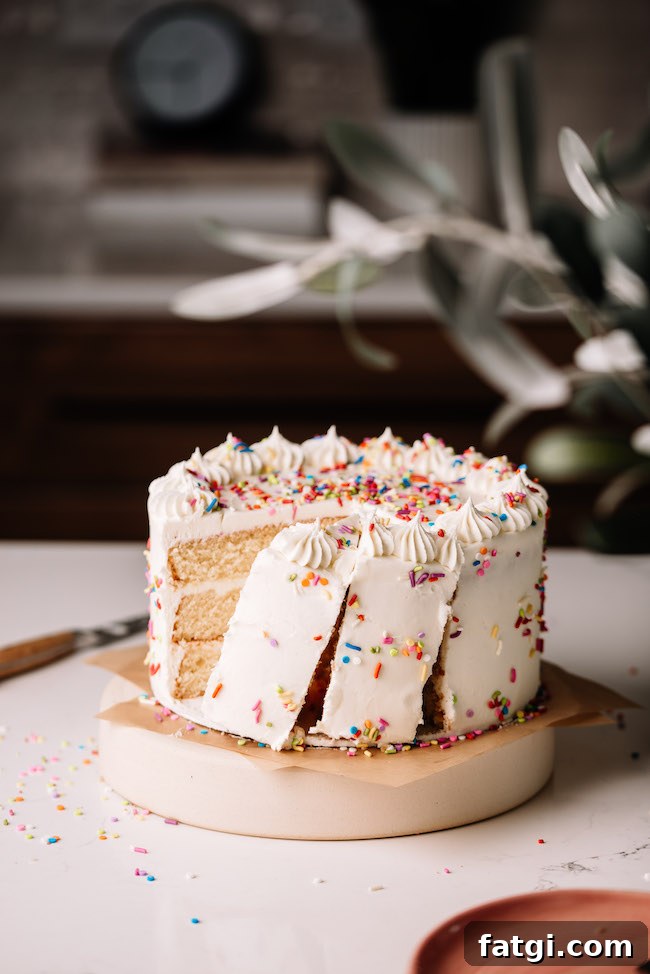
In this post you’ll learn how I make my most requested cake: a classic vanilla birthday cake. I’ll also share where I buy my favorite sprinkles and decorating supplies, the tools I use and which ones you can skip, and clear, professional tips for stacking and decorating layer cakes. This is a thorough guide, so settle in.
This post includes recommendations for products I use and enjoy. If you choose to purchase any, I may receive a small commission at no extra cost to you. Thank you for supporting Buuck Farms Bakery.
Let’s Talk Cake Tools
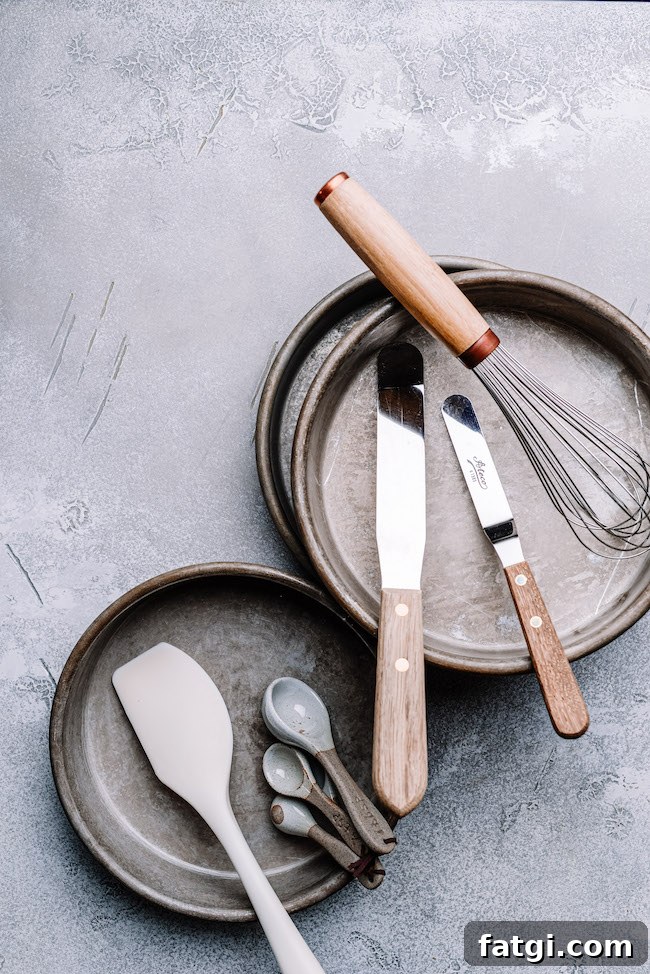
There are lots of cake tools and decorating supplies available, but if you’re a home baker aiming to make pretty cakes for family and friends, you don’t need everything. Below I outline what I consider essential, what’s nice to have, and what you can skip.
Pans, Cake Strips, and Parchment Paper
You’ll need cake pans. I prefer deep 3″ pans for tall, even layers. For a standard setup, get three 8″ pans and four 6″ pans if you plan to bake multiple sizes; 4″ pans are great for mini or smash cakes. Some bakers use cake strips to reduce doming; I don’t find them necessary, but they can help if you consistently get domed cakes.
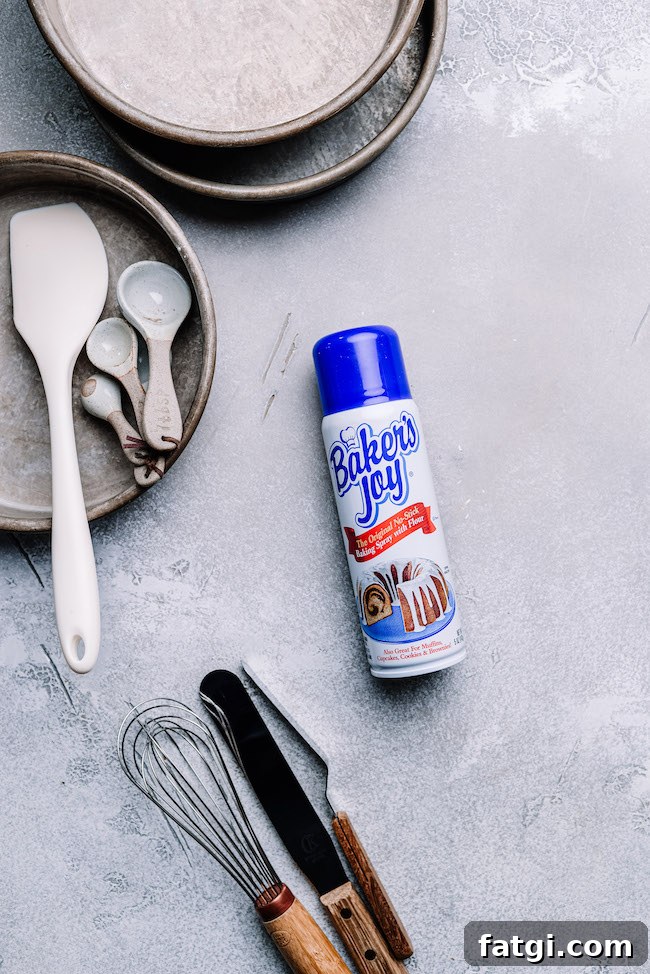
To prevent sticking, butter and parchment work well. My go-to is a nonstick baking spray that contains flour; it’s very effective. If you’re baking gluten-free, skip sprays with flour and use parchment and butter instead.
Spatulas, Turntables, and Cake Smoothers
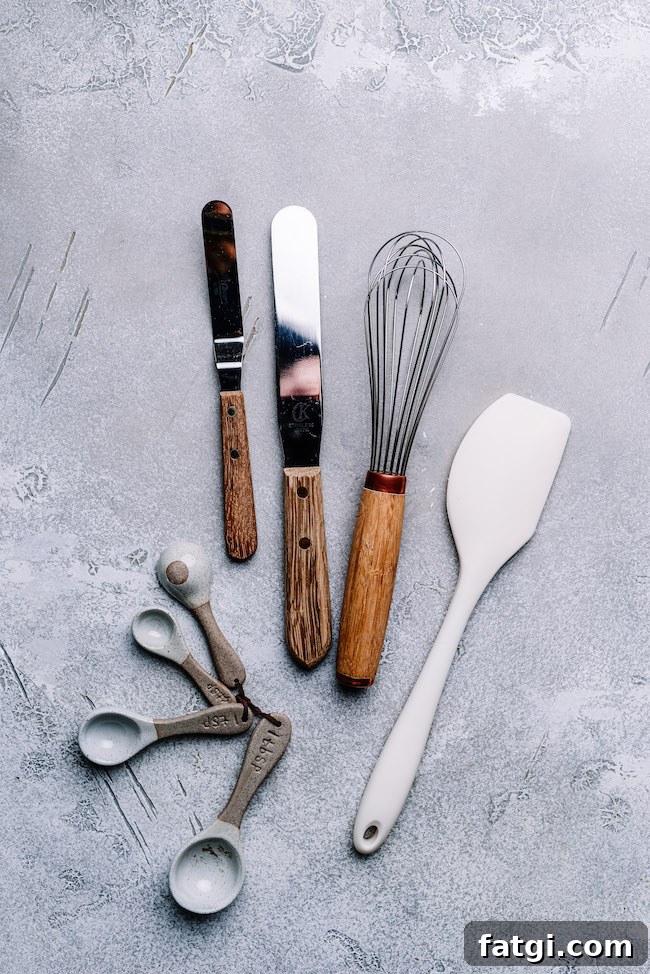
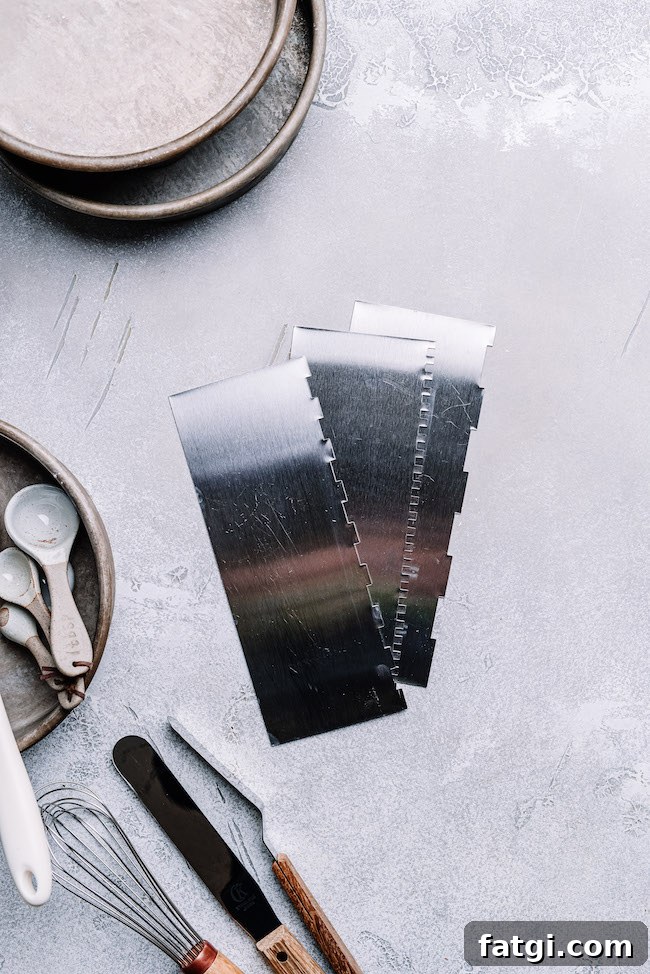
I rely on two spatulas for most cakes: a 4½” offset and a 6″ straight spatula. If you want rustic, textured finishes you won’t need more. For perfectly smooth sides or striped details, invest in cake combs/smoothers—metal combs are useful because you can warm them with hot water for a very smooth finish.
For a turntable, choose a sturdy, easy-to-clean model rather than a flimsy plastic one. A non-slip mat for the turntable prevents the cake from sliding while you decorate. I always start a cake on a cardboard cake board the same diameter as the cake so it’s easy to move and the board remains hidden after frosting.
Piping Bags, Tips, Food Coloring, and Sprinkles
Disposable piping bags are convenient for most home bakers. My most-used tips are a large open star for swirls and a large round for dots; I also keep a couple of small star tips and a small round tip for details. You don’t need dozens of tips to create beautiful designs.
Food coloring options are plentiful. For buttercream, concentrated gel colors work best because they provide strong hue without thinning the icing. With a handful of basic gel colors and a little color theory, you can mix nearly any shade. I favor dusty, muted palettes and keep a short list of go-to gel colors.
I buy sprinkles from a few trusted sources that offer a wide range of colors and blends, including seasonal mixes and some naturally dyed, gluten-free options. A muted rainbow blend is my go-to for classic celebration cakes.
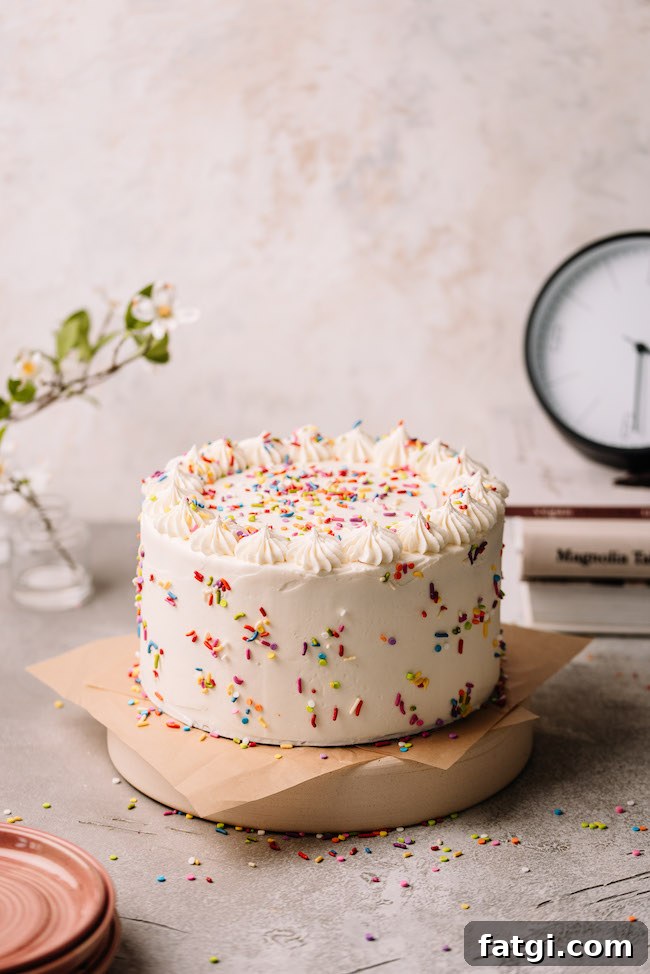
Cake Baking and Decorating Overview
Now that tools are covered, let’s bake. This classic vanilla cake is dense yet moist, holds up well when stacked, and rarely domes if you follow the method. I often bake layers a day or more in advance to reduce stress. Wrap cooled layers tightly and refrigerate for short storage or wrap in plastic and foil and freeze for longer storage—freezing doesn’t harm texture or flavor when done properly.
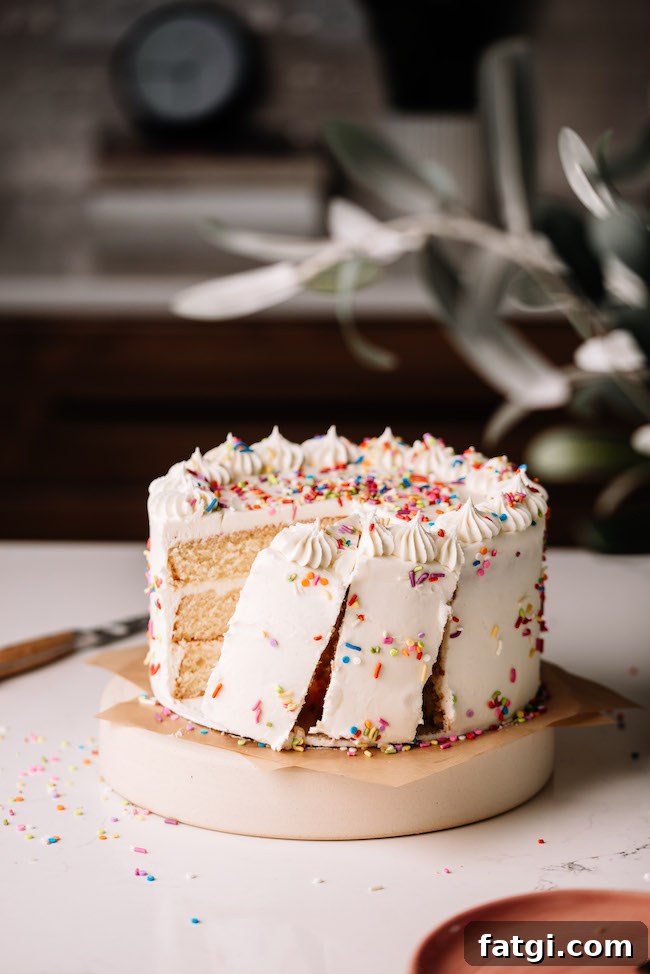
Classic Vanilla Birthday Cake
This classic vanilla cake is reliably dense, moist, and crowd-pleasing. It’s a staple in my recipe collection and performs well for celebrations. Below are the baking and decorating steps along with the ingredient list and notes to help you succeed.
Bake the Cake Layers
Preheat the oven to 350°F and prepare three 8″ round cake pans with parchment and nonstick spray or butter and flour. In a stand mixer with a paddle attachment, beat butter, sugar, and vegetable oil together for seven minutes until very light and nearly white. Scrape the bowl as needed.
Whisk whole eggs and egg whites separately to help them incorporate easily, then add slowly to the mixing bowl on low speed and mix 1–2 minutes until glossy. In a separate bowl, whisk together flour, cornstarch, baking powder, and salt. Stir vanilla into room-temperature buttermilk.
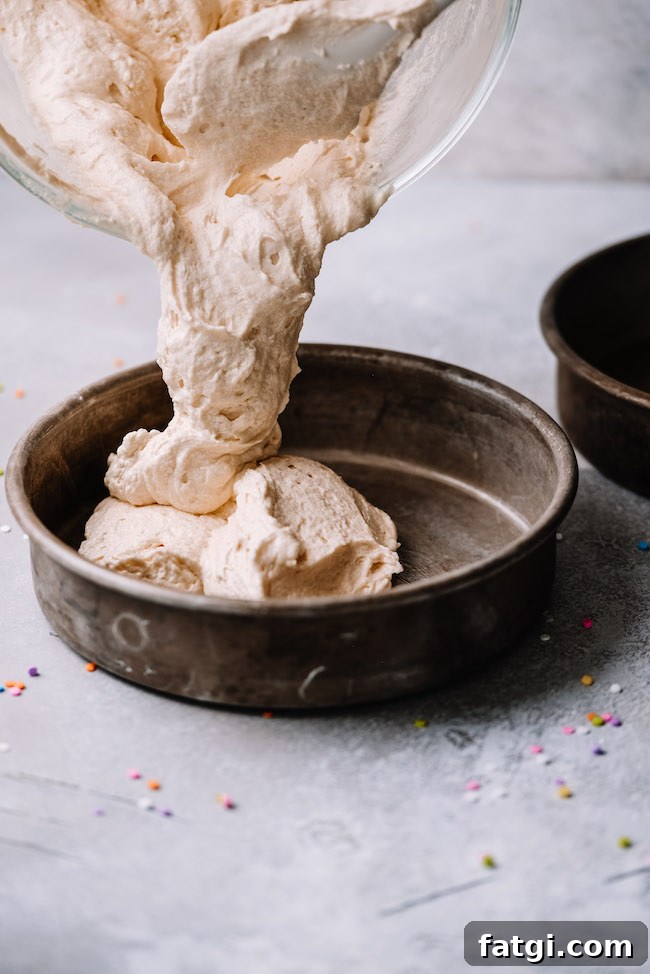
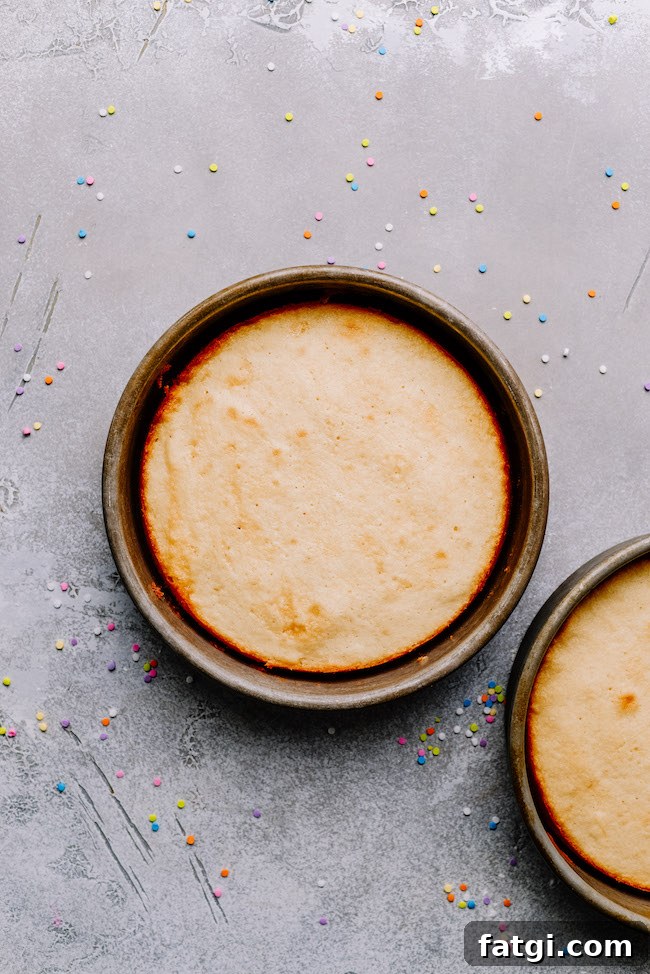
Alternate adding the dry mixture and the buttermilk to the mixer in five additions, beginning and ending with the dry ingredients. Mix gently on low; finish by folding with a rubber spatula. Divide the batter evenly among the prepared pans and bake 25–27 minutes, until the edges are lightly browned and a toothpick comes out with a few moist crumbs. Cool five minutes in the pans, then invert onto a rack to cool completely. Wrap and chill before frosting.
Make the Buttercream
When ready to decorate, make the buttercream. You can prepare it a day ahead and re-whip before use. Let butter sit at room temperature for 30–45 minutes but avoid letting it become too soft. Beat butter alone in the mixer for 10 minutes until light and nearly white, scraping the bowl occasionally. While the butter whips, sift powdered sugar if you plan to create extremely smooth sides.
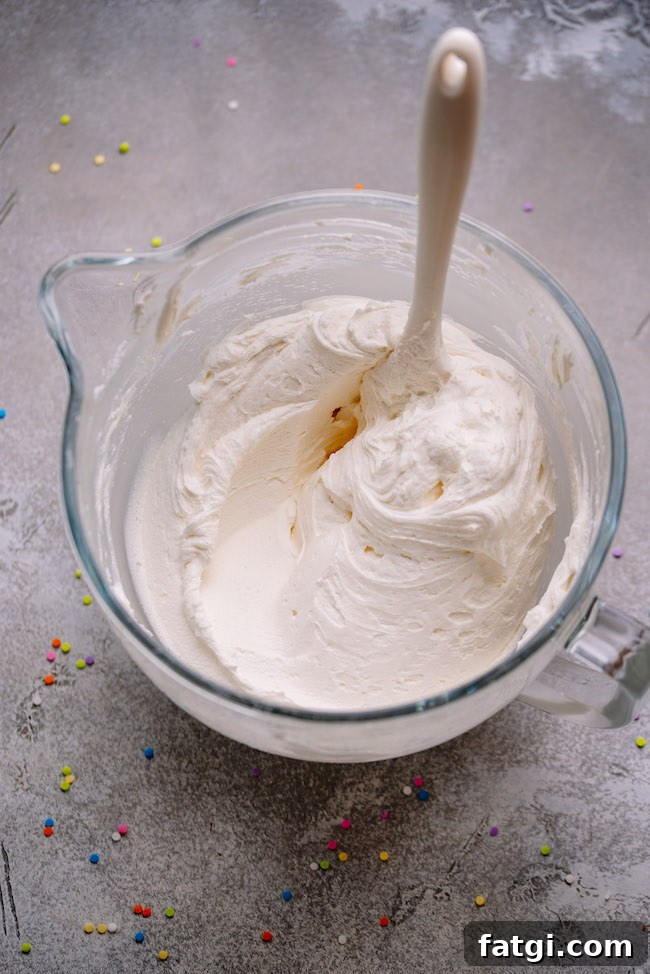
Add vanilla, then mix in powdered sugar in two halves, mixing about three minutes on medium-low after each addition to avoid over-aerating. The mixture will be dense when you add the second half but will fluff up after a few minutes. Add heavy cream two tablespoons at a time until you reach the desired consistency. Finish with a brief fold using a rubber spatula to release air bubbles.
Frost and Decorate
Start with a Crumb Coat
A crumb coat is a thin layer of frosting that locks in crumbs and makes the final coat easier. Work with completely chilled layers on a turntable with a non-slip mat and a cake board. Spread a couple teaspoons of buttercream on the board as glue, then place the first layer and press gently. Use an ice cream scoop or measured portions of frosting between layers for even filling—three scoops for an 8″ layer is a good guide.
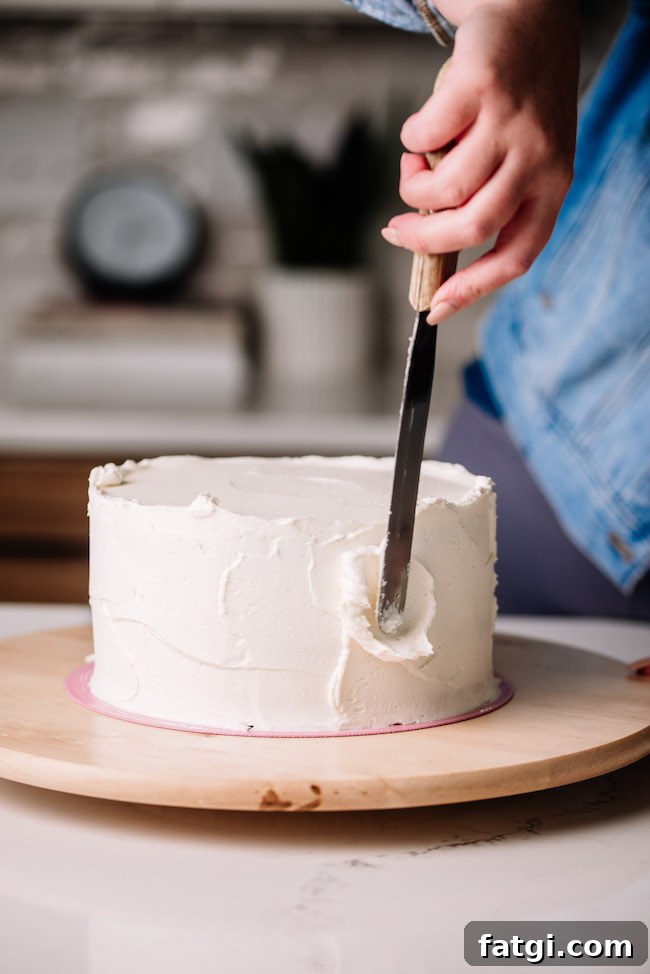
Stack the layers, spread frosting on the top and sides, and smooth with an offset and straight spatula. Use a cake comb at a slight angle and hold it steady while rotating the turntable to smooth the sides. Wipe the comb between passes and fill any low spots. Chill the cake for at least 30 minutes to set the crumb coat.
Final Coat and Decoration
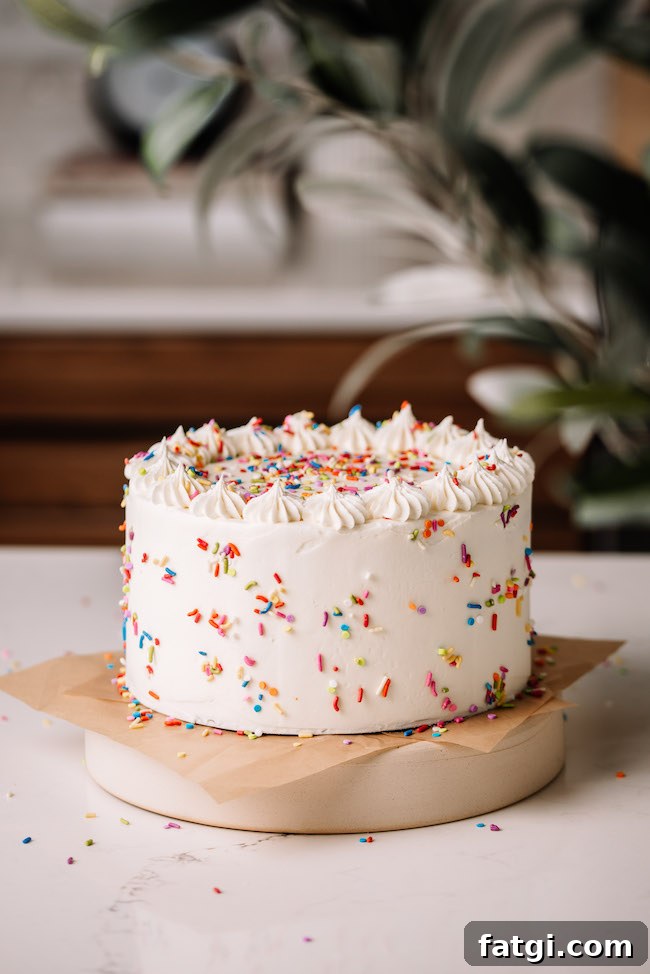
Apply the final coat in the same manner, then use a hot, dry cake comb for the last smoothing passes to achieve very smooth sides. For this design, apply sprinkles to the sides in a random pattern while the buttercream is tacky so they adhere. A quick tip: lightly grease your fingertip with a bit of vegetable shortening to help pick up and press sprinkles onto the cake without making a mess.
Pipe a border around the top edge using your preferred tip—an open star makes classic swirls. Add extra sprinkles on top, then serve immediately or refrigerate uncovered for up to three days. This recipe yields an 8″ three-layer cake serving about 16 people.
Ingredients
For the vanilla cake
- 1 cup (227 g) salted butter, room temperature
- 1 3/4 cups (375 g) granulated sugar
- 1/3 cup (65 g) vegetable oil
- 3 large eggs (about 160 g) + 3 egg whites (about 102 g), room temperature
- 2 1/2 cups + 2 tablespoons (345 g) all-purpose flour
- 6 tablespoons (55 g) cornstarch
- 2 1/2 teaspoons baking powder
- 1/2 teaspoon salt
- 2 teaspoons pure vanilla extract
- 1 cup (250 g) buttermilk, room temperature
For the vanilla American buttercream
- 1 1/2 cups (3 sticks, 339 g) salted butter
- 2 teaspoons pure vanilla extract
- 6 cups powdered sugar
- 4–6 tablespoons heavy cream, room temperature
Optional: rainbow sprinkles for decorating
Instructions (Condensed)
- Preheat oven to 350°F and prepare three 8″ pans with parchment and nonstick spray or butter and flour.
- Cream butter, sugar, and oil for seven minutes until very light. Add whisked eggs slowly, then mix 1–2 minutes. Alternate adding dry ingredients and buttermilk in five additions, starting and ending with dry ingredients.
- Divide batter evenly and bake 25–27 minutes, then cool, wrap, and chill before frosting.
- For buttercream, beat room-warm butter 10 minutes until light, add vanilla, sifted powdered sugar in two additions, mixing on medium-low, then add cream to reach the right texture.
- Assemble with a thin crumb coat, chill 30 minutes, then apply the final coat, smooth the sides, add sprinkles while the frosting is tacky, pipe a decorative border, and finish with more sprinkles on top.
- Serve immediately or refrigerate uncovered for up to three days. Layers can be frozen up to three months if wrapped well.
Notes
- Unfrosted layers can be wrapped and frozen up to three months.
- Decorated slices can be wrapped and frozen for up to three weeks.
- You can also bake this recipe in four 6″ pans at 350°F for about 25 minutes.
If you enjoyed this classic vanilla birthday cake, try other favorites like a funfetti snack cake or vanilla Nutella cupcakes for more celebratory treats.