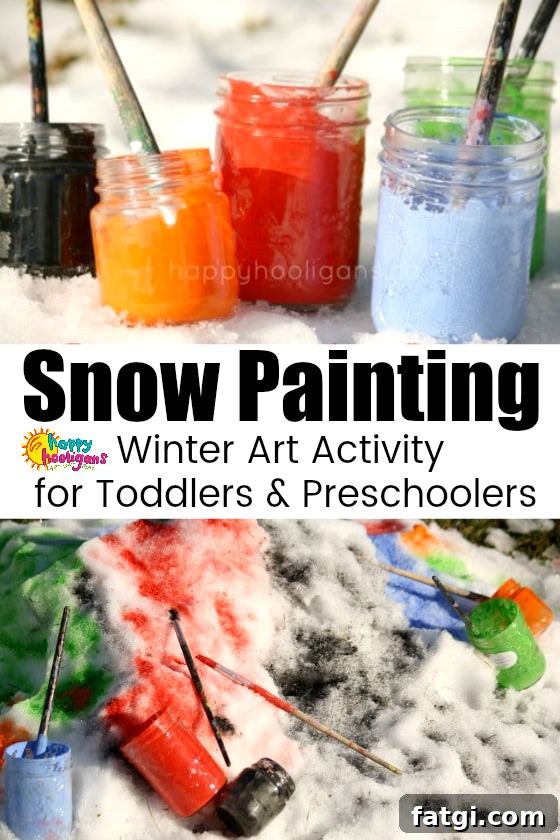
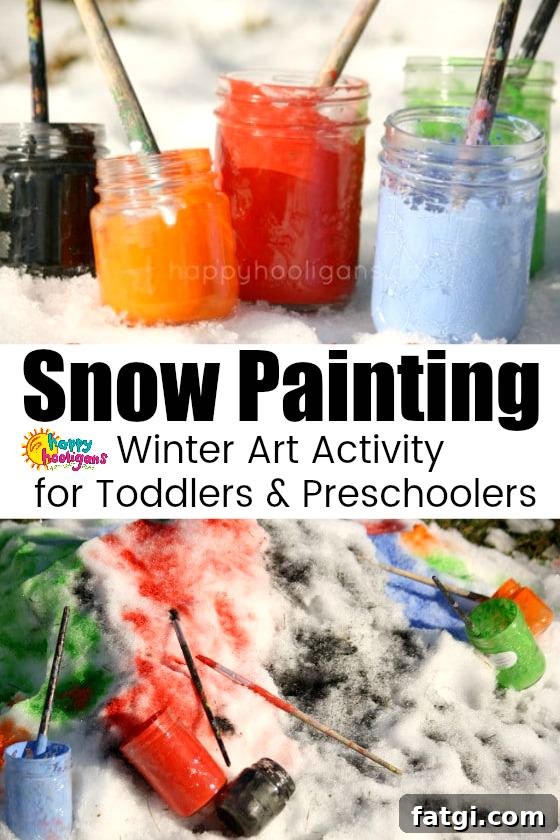
Snow painting is a delightful outdoor winter art project that children of all ages can enjoy. All you need is a snowy yard, some washable paint, and a few brushes to turn the winter landscape into a colorful canvas.
You may have seen people color the snow with spray bottles, food coloring, or liquid watercolors. Those methods work, but they can leave kids with soggy mitts and require a lot of pumping to get vivid color. For this activity we decided to try actual tempera paint, and the results were fantastic.
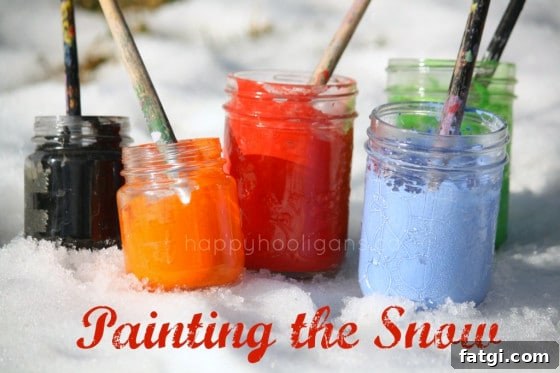
We experimented with tempera paint powder mixed into several colors, though tempera liquid paints or other washable paints would work as well. I chose washable tempera to help avoid staining winter gear. With our paints ready, we drew a few rectangles in the snow to serve as canvases and invited the kids outside.
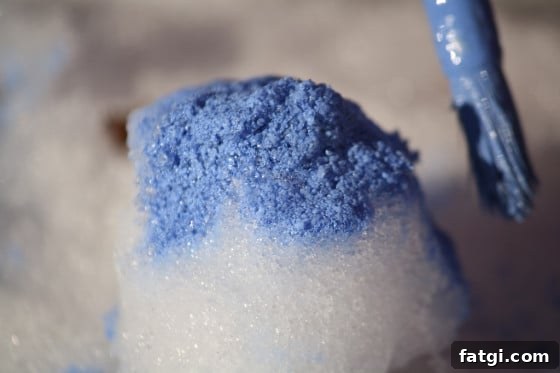
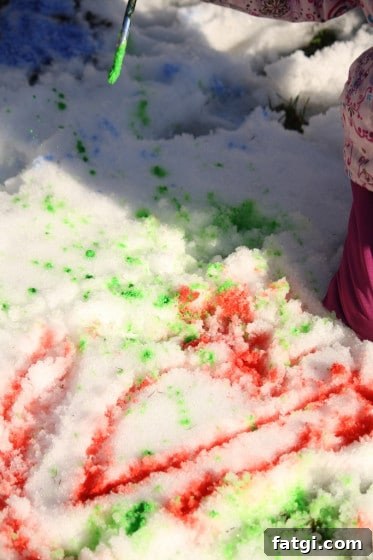
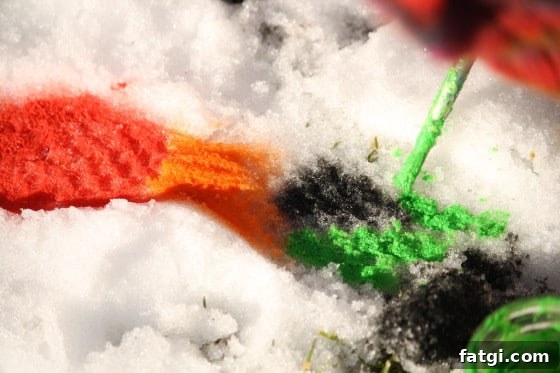
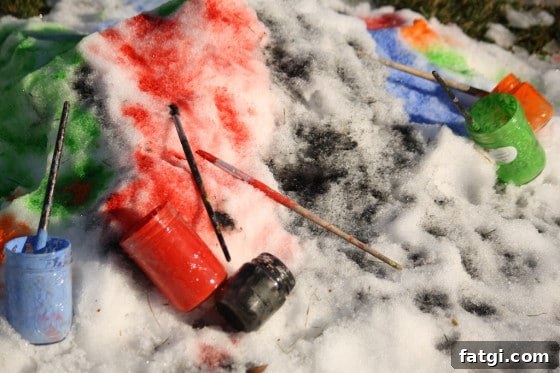
We weren’t sure how the paint would behave on the snow, so I was pleasantly surprised when the colors absorbed beautifully into the surface. The top layer of snow was soft with a slight crunch, and a light touch with the brush was all that was needed to leave vivid marks on the snow.
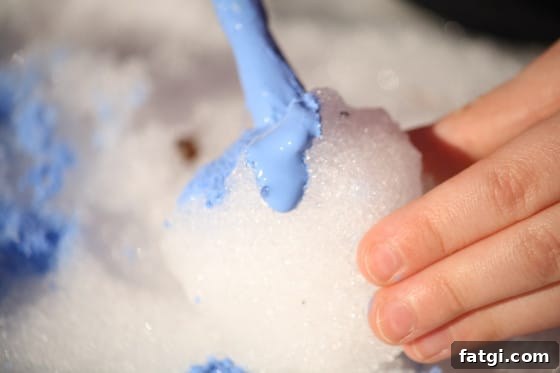
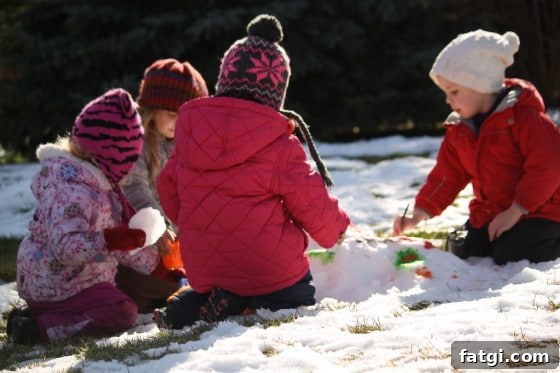
The children loved it — they quickly picked up the technique and began moving around the yard, adding splashes of color to paths, footprints, and snow structures they made together. Painting on snow encouraged experimentation: splattering, blending, and even painting formed snowballs and small mounds.
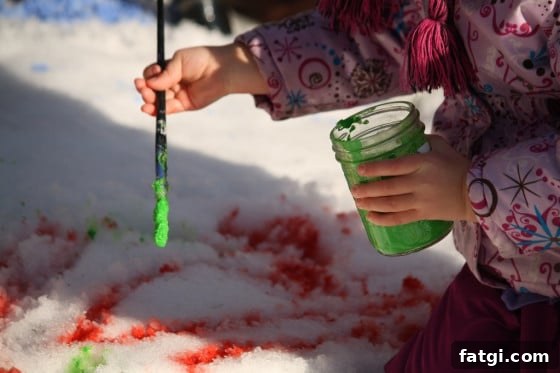
At first I drew three rectangular canvases in the snow to focus their creativity, but the kids soon abandoned the frames and explored the whole yard. They painted boot prints, created multicolored snowballs, and decorated a little mound of snow into what they called a “candy mountain.” The activity kept them entertained and active for over an hour.
How to paint the snow
Supplies: washable tempera paint (powder or liquid), water to mix if using powder, paintbrushes or foam brushes, and warm outdoor clothing. Optionally, you can create frames by laying twigs in a rectangle on the snow to define your painting area.
Mix several small batches of paint in different colors. If you use powder tempera, combine the powder with a little water until you reach a paintable consistency. Keep the mixtures fairly fluid so they brush onto the snow easily, but not so thin that they run and dilute into the snow surface.
Draw simple canvases in the snow or let children paint freely. Encourage a light touch: pressing too hard displaces the snow and mutes the color. Show them techniques like splatter painting, brushing boot prints, or painting shapes and letters. Painting snowballs or small sculptures is a fun way to add three-dimensional colorful elements to the scene.
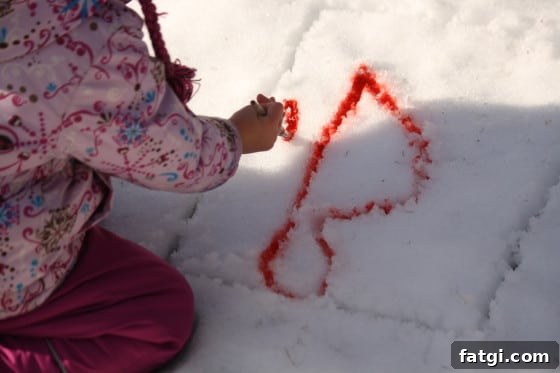
The paint dries quickly on the snow’s surface and produces bright, cheerful results. Because the colors stay mostly on the surface and tempera washes away, cleanup is easy: brush or shake out brushes, and remove any excess paint from clothing promptly if needed. Using washable paints minimizes the risk of permanent staining on outerwear.
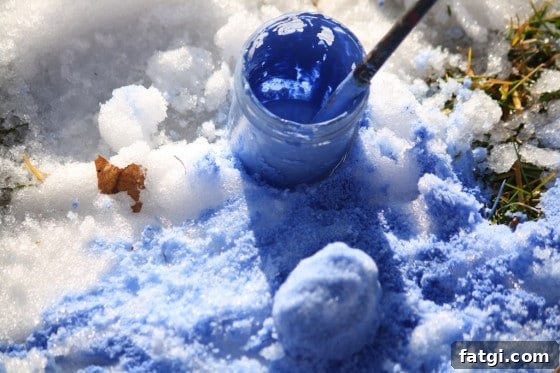
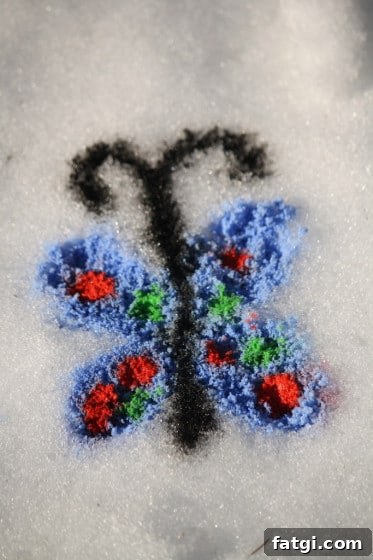
The creative possibilities are endless: paint rainbows across a snowy hill, write names and messages, or collaborate on a large-scale winter mural. This simple activity blends art, sensory play, and outdoor exercise — a perfect combination for wintry days when kids need fresh air and hands-on fun.
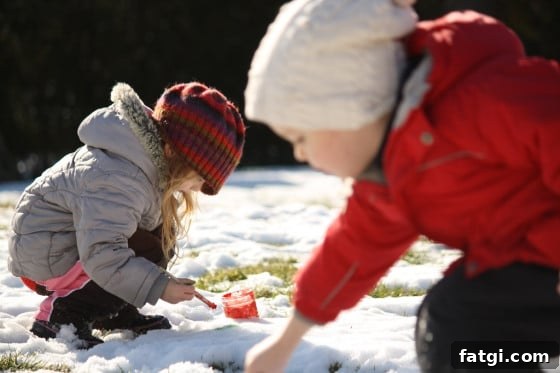
We plan to make snow painting a winter tradition. It’s an easy, low-prep activity that sparks imagination and encourages exploring color and texture outdoors. If you try it, set out several colors, keep the brushes handy, and let the children lead with their ideas.
Try snow painting this winter to create lasting memories and colorful photos. It’s a simple, joyful way to share art outdoors and let children experiment with color in a new environment.
Other fun winter activities for kids
Make snow ice cream, craft maple syrup snow taffy, build backyard ice sculptures, create snowy sensory bins, or experiment with watercolors on snow. These activities pair well with snow painting and offer more chances for outdoor creativity and sensory play.