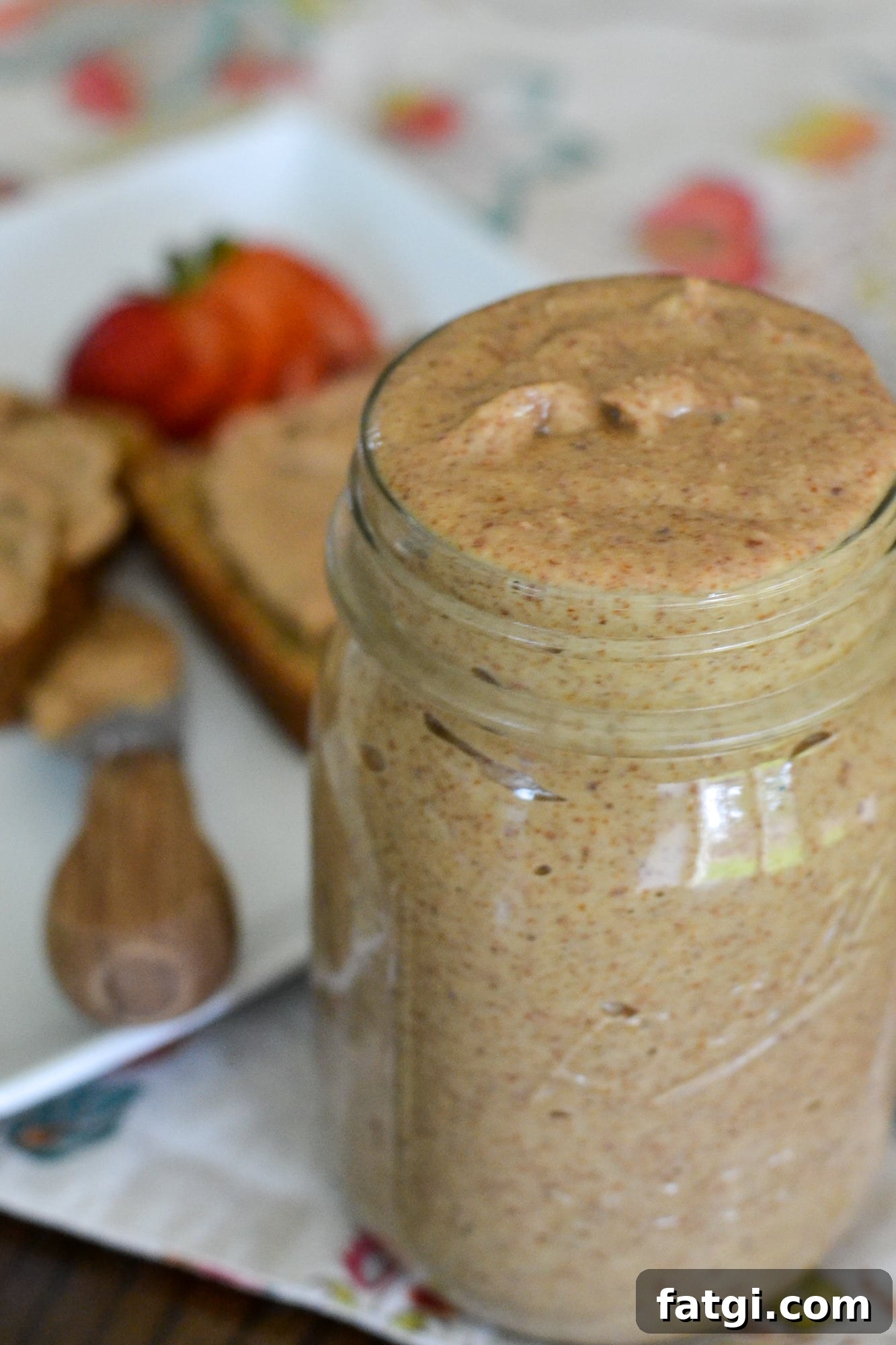
Happy Monday! Ready to start the week on a delicious note?
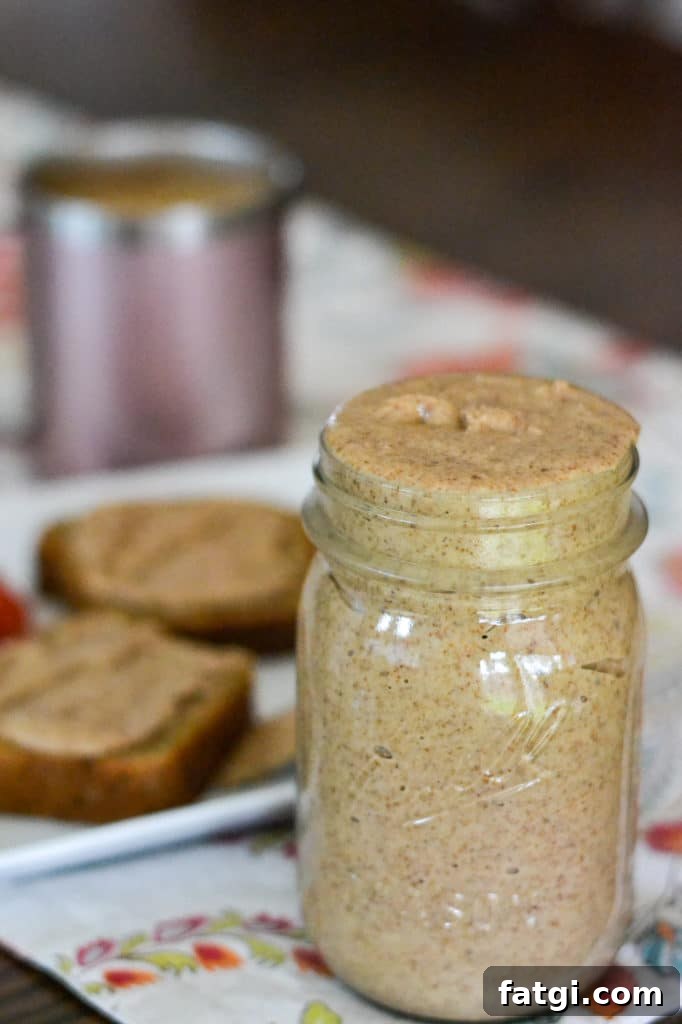
Make a batch of this easy homemade maple almond butter to kick off your week. I’ve been craving almond butter for weeks — it feels like fall — and since I learned to make my own, store-bought jars don’t stand a chance. It takes just a few simple ingredients: almonds, maple syrup, cinnamon, salt, and a good food processor.
The process is almost “set it and forget it” once the almonds are roasting and then the food processor is doing its work. The payoff is incredibly smooth, creamy almond butter with a subtle maple-cinnamon warmth that elevates toast, fruit, oatmeal, or baked goods.
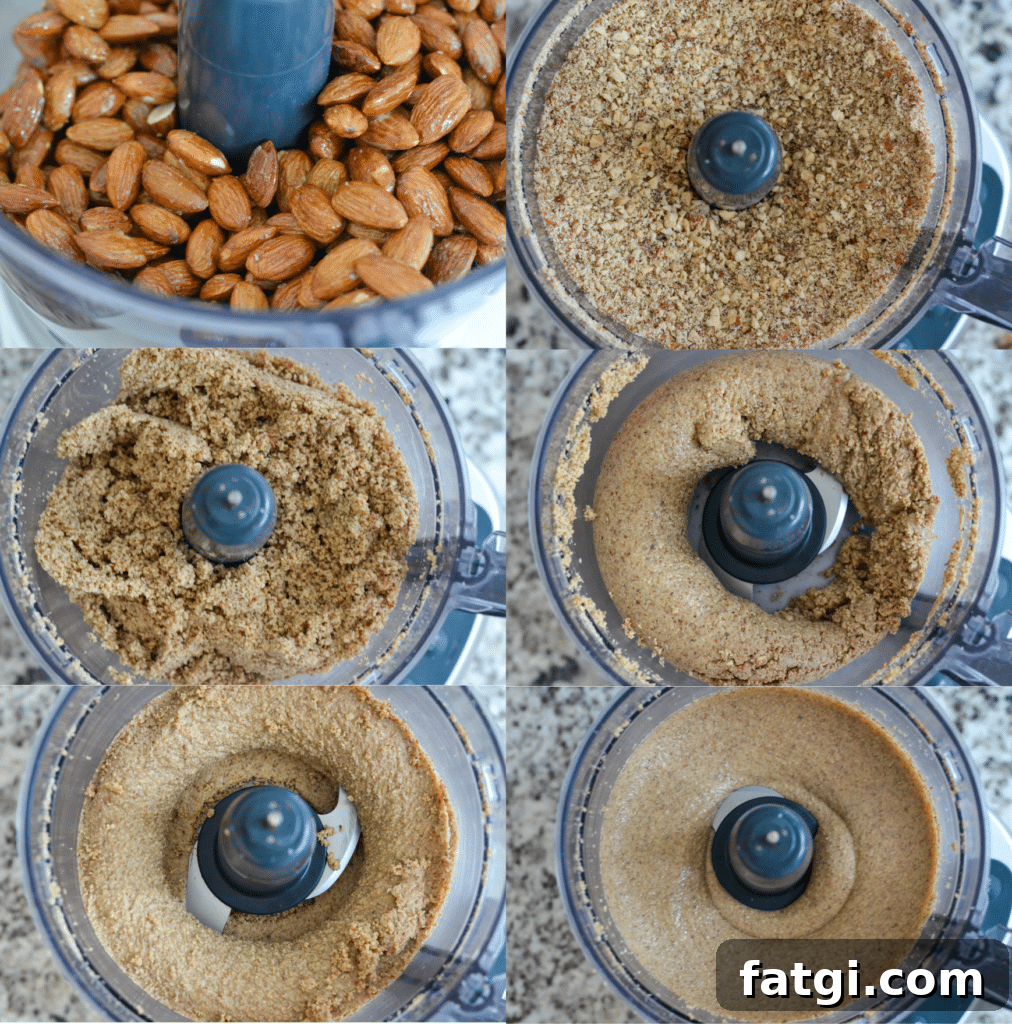
Almond butter can feel intimidating at first because it requires a bit of patience as the nuts transform. You’ll notice distinct stages as the mixture comes together: at first it looks like dry sand, then it turns into a grainy paste, then clumps into a ball, and finally it smooths into a glossy, drippy butter. Keep processing even after it appears smooth — the extra time creates that silky, pourable texture that makes homemade almond butter so irresistible.
That final sheen in the photo is the target texture. Use this almond butter on toast, apple slices, bananas, stirred into oatmeal, or spread on warm baked goods. It’s comforting, slightly sweet, and seasoned perfectly with cinnamon and salt.
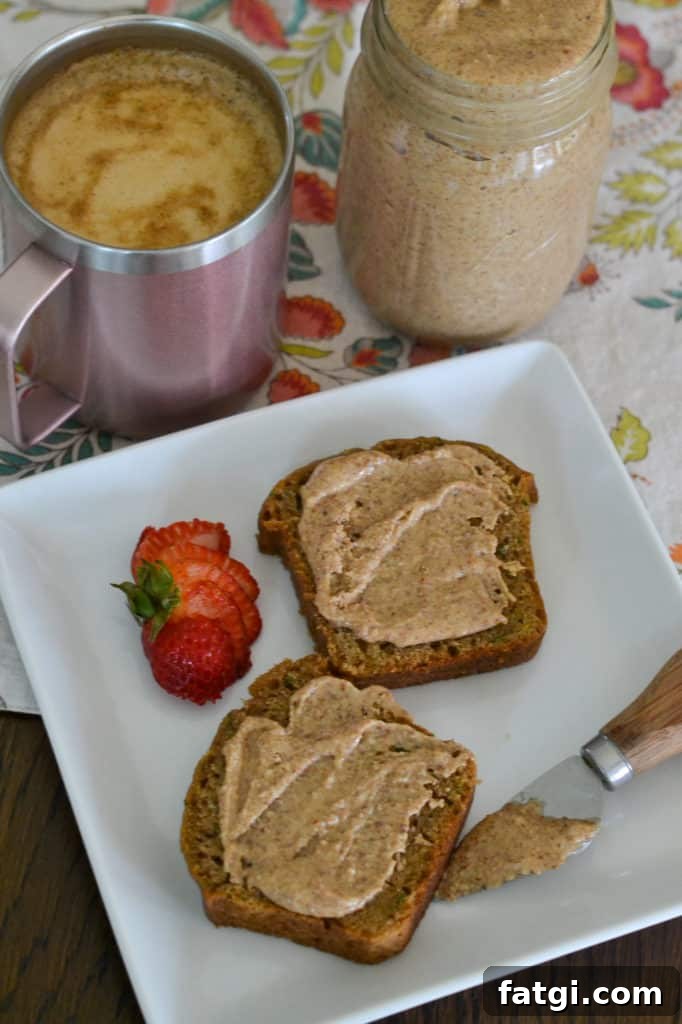
If you prefer watching a quick demonstration, you can search for a short video demonstrating the nut-to-butter stages — but the written directions below cover everything you need to succeed. Let’s get into the recipe.
Maple Almond Butter
- Author: Erica
- Prep Time: 10 minutes
- Cook Time: 30 minutes
- Total Time: 40 minutes
- Yield: 1 pint-sized jar
Description
This creamy maple almond butter, gently spiced with cinnamon and balanced with salt, makes an outstanding homemade spread. It’s fast to prepare, requires minimal ingredients, and delivers a rich, luxurious texture. Once you try homemade almond butter, you’ll likely skip store jars forever.
Ingredients
- 2 cups raw almonds
- 2 tablespoons pure maple syrup
- 1/2 teaspoon ground cinnamon
- 1/2 teaspoon kosher salt, plus more to taste
Quality ingredients make a difference. Use raw, unsalted almonds and a pure maple syrup for the best flavor balance. Adjust cinnamon and salt to your preference.
Instructions
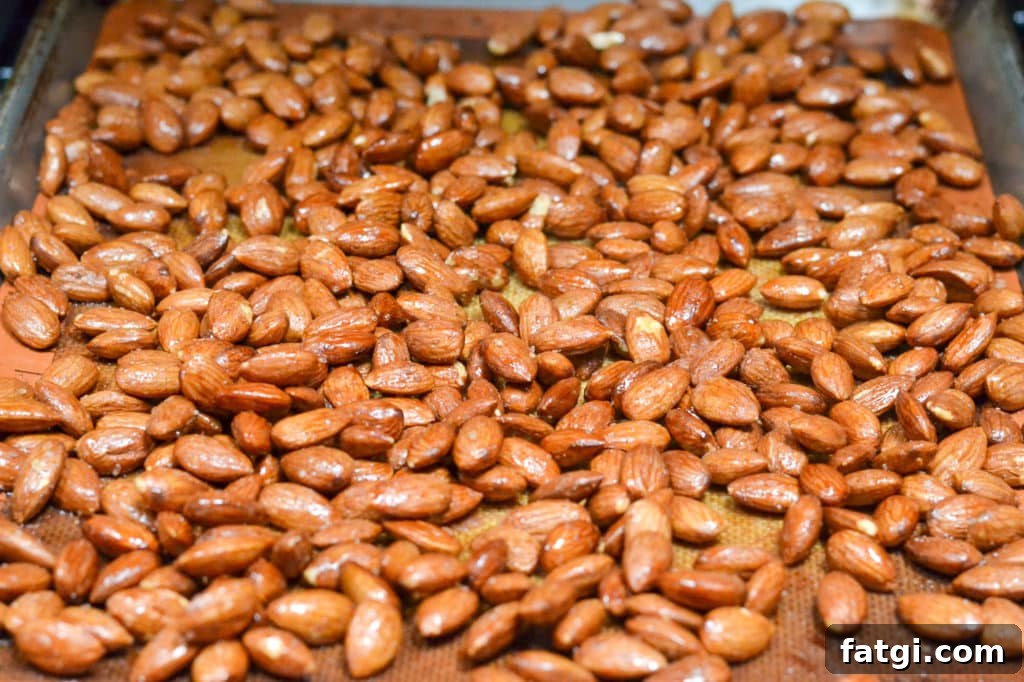
Preheat your oven to 300°F (approximately 150°C). Line a baking sheet with parchment paper or a silicone baking mat. Spread the almonds in a single layer, then drizzle with the maple syrup and sprinkle with the cinnamon and salt. Toss or use your hands to make sure each almond is lightly coated.
Roast for 30 minutes, stirring once around the 15-minute mark. The almonds should be fragrant and slightly golden inside when done. Remove the tray and let the almonds cool completely; this step helps the almonds release their oils more easily when processed.
Transfer the cooled almonds to a food processor and turn it on. Let it run, pausing to scrape down the sides every so often. The mixture will progress through stages: sandy, grainy paste, clumpy ball, then glossy and smooth. Expect about 8–10 minutes of processing time, though it can vary by appliance. For an ultra-smooth, slightly runny consistency, keep processing until the nut butter is silky and drippy. Taste and adjust salt if desired.
When the almond butter reaches your preferred texture, transfer it to an airtight jar or container. Properly stored in the refrigerator, homemade almond butter can stay fresh for several weeks, though it often disappears much faster!
Notes
Do not attempt to make this from raw, unroasted almonds in the food processor—roasting is essential. Raw almonds will make a clumpy, difficult-to-process mixture. The roast level affects color and flavor; a slightly darker roast produces a richer, deeper-colored butter. This same method should work well with other nuts like cashews or hazelnuts if you want to experiment.
If your processor seems to stall, pause, scrape, and restart. A heavy-duty food processor or high-powered blender makes the job faster and smoother, but most standard processors will get you there with patience.