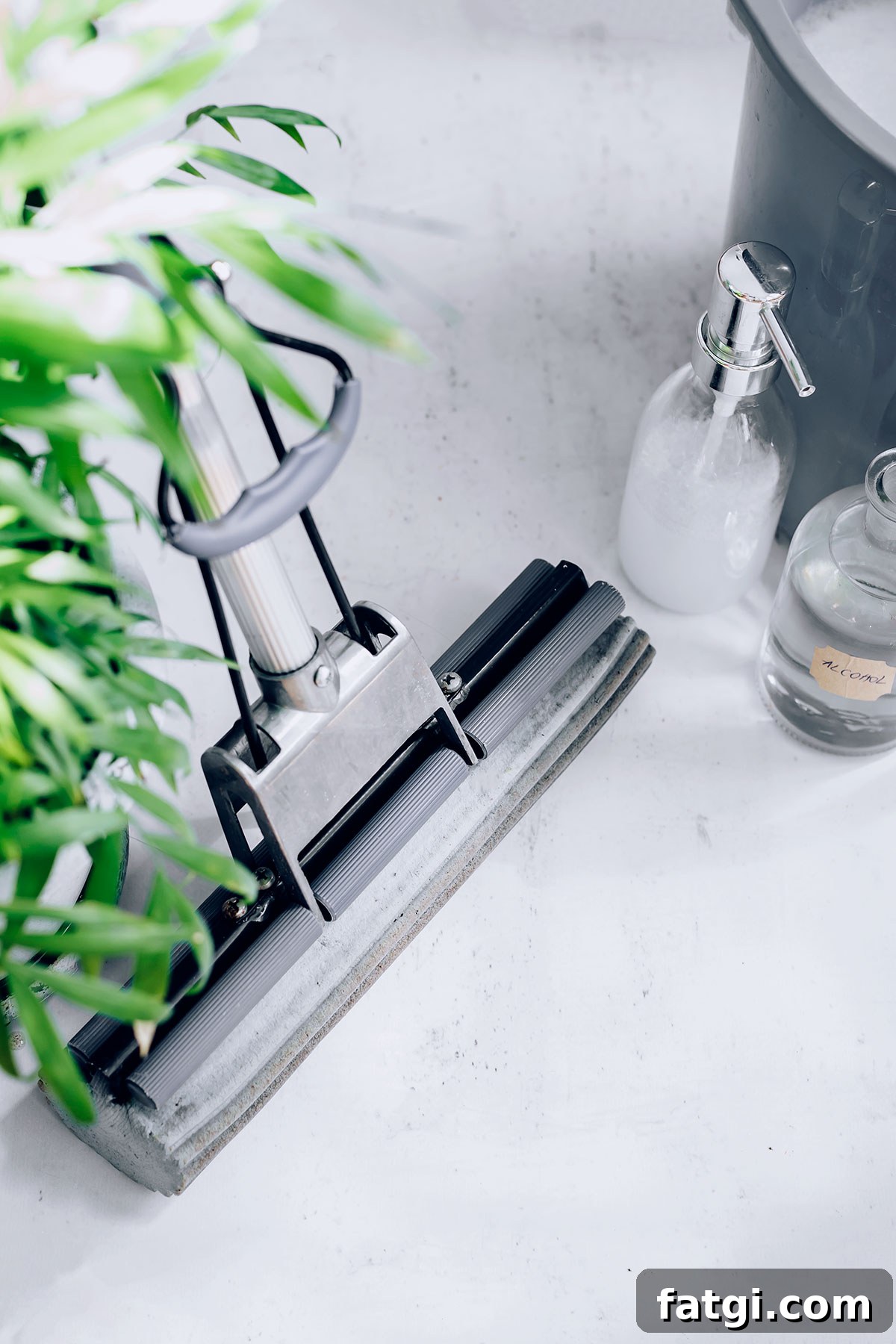
I don’t clean my floors as often as I should, but after moving into an older house with lots of mismatched flooring, it was time to find reliable methods for every surface. No more dusty corners, pet hair tumbleweeds, or dirty footprints. Below is a practical, natural-first guide to cleaning common floor types so they look better and last longer.
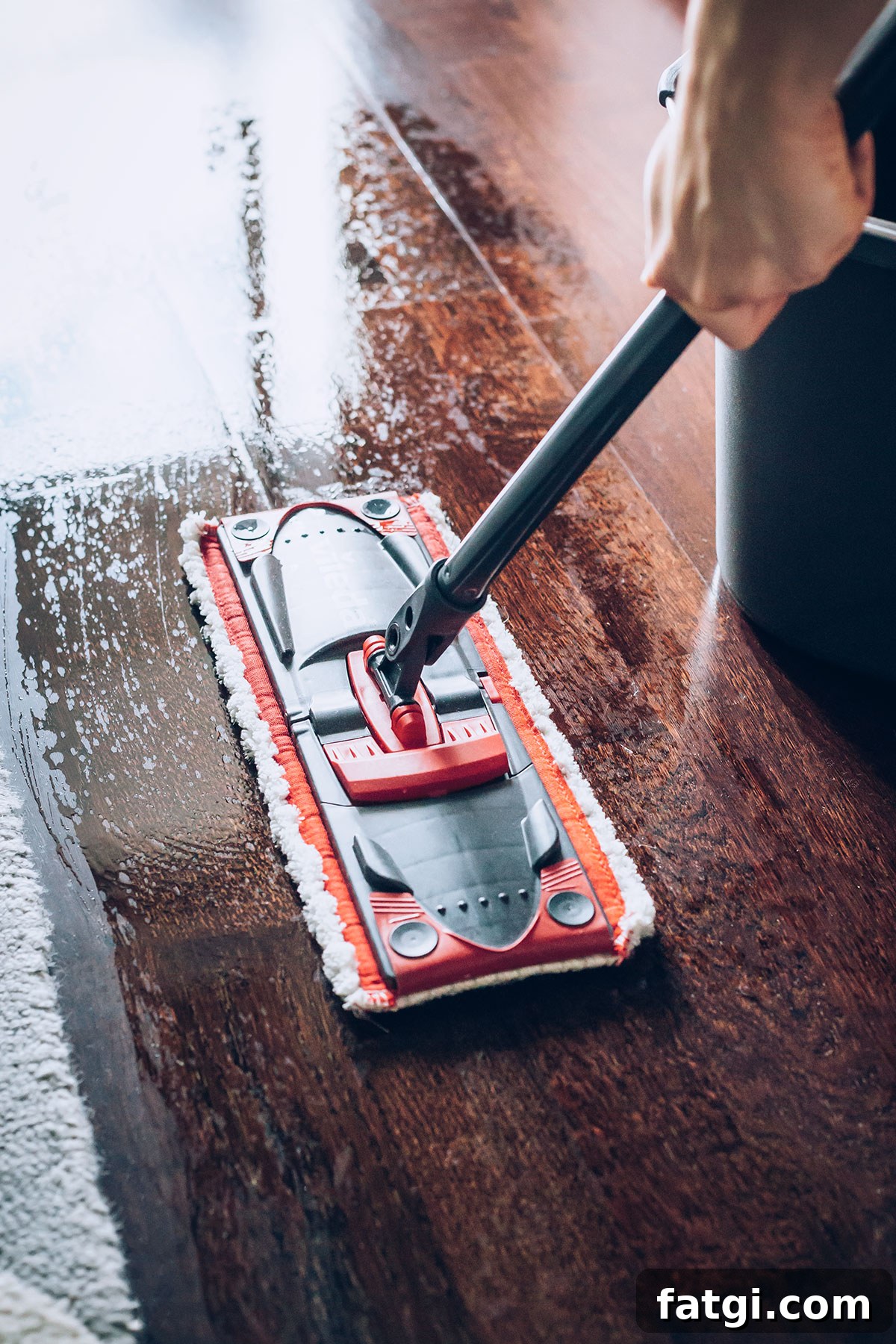
How to Clean Every Type of Floor
The finish on a floor often matters more than the material itself. Many homemade cleaners use vinegar for a streak-free shine, which is usually fine on floors sealed with polyurethane. However, floors finished with water-based sealers can be more sensitive to acids or alkaline solutions. If you’re unsure what finish your floors have, check manufacturer guidance when possible. Regardless of finish, there are gentle approaches that restore shine and protect surfaces without harsh chemicals.
How to clean hardwood floors
Regular care preserves hardwood finish, keeps floors looking their best, and helps them last longer. While vinegar-based recipes are common, the acidity can be a concern on some finishes. For safety and nourishment, use milder cleaners such as diluted Castile soap or a dedicated hardwood floor cleaner.
1. Sweep or dust often. Remove dirt and grit frequently to prevent scratches and dulling.
2. Damp mop about once a month. Use a barely damp mop to lift stuck-on grime without saturating the wood.
3. Deep clean every 3–4 months. For most households, a thorough cleaning a few times a year is enough. Use a commercial hardwood cleaner or mix a gallon of water with 1/2 teaspoon Castile soap for a gentle homemade option. If you choose vinegar, dilute it heavily to reduce acidity.
More hardwood tips
When spot-treating, test any cleaner in an inconspicuous area first to confirm it does not affect color or finish. Use furniture pads and rugs in high-traffic areas to minimize wear.
How to clean tile floors
Tile is durable and tolerates a variety of cleaners, but grout is porous and attracts dirt. Start with a thorough vacuum or sweep, then follow with a mop. For light-colored grout, a small amount of lemon juice applied with a toothbrush can brighten lines—apply, let sit briefly, then wipe away and rinse.
1. Vacuum or sweep. Get into corners and along baseboards where dust accumulates.
2. Mop thoroughly. A traditional mop or a microfiber mop works well; use a scrub brush for stubborn spots.
3. Refresh grout as needed. Use a gentle acidic solution like diluted lemon juice carefully on grout, then rinse well.
4. Dry the floor. Wipe standing water to avoid spots and slipping hazards.
Homemade tile floor cleaner
— 1 gallon hot water
— 1/2 cup white vinegar
— Squirt of dish soap
— 15 drops of a citrus or tea tree essential oil (optional)
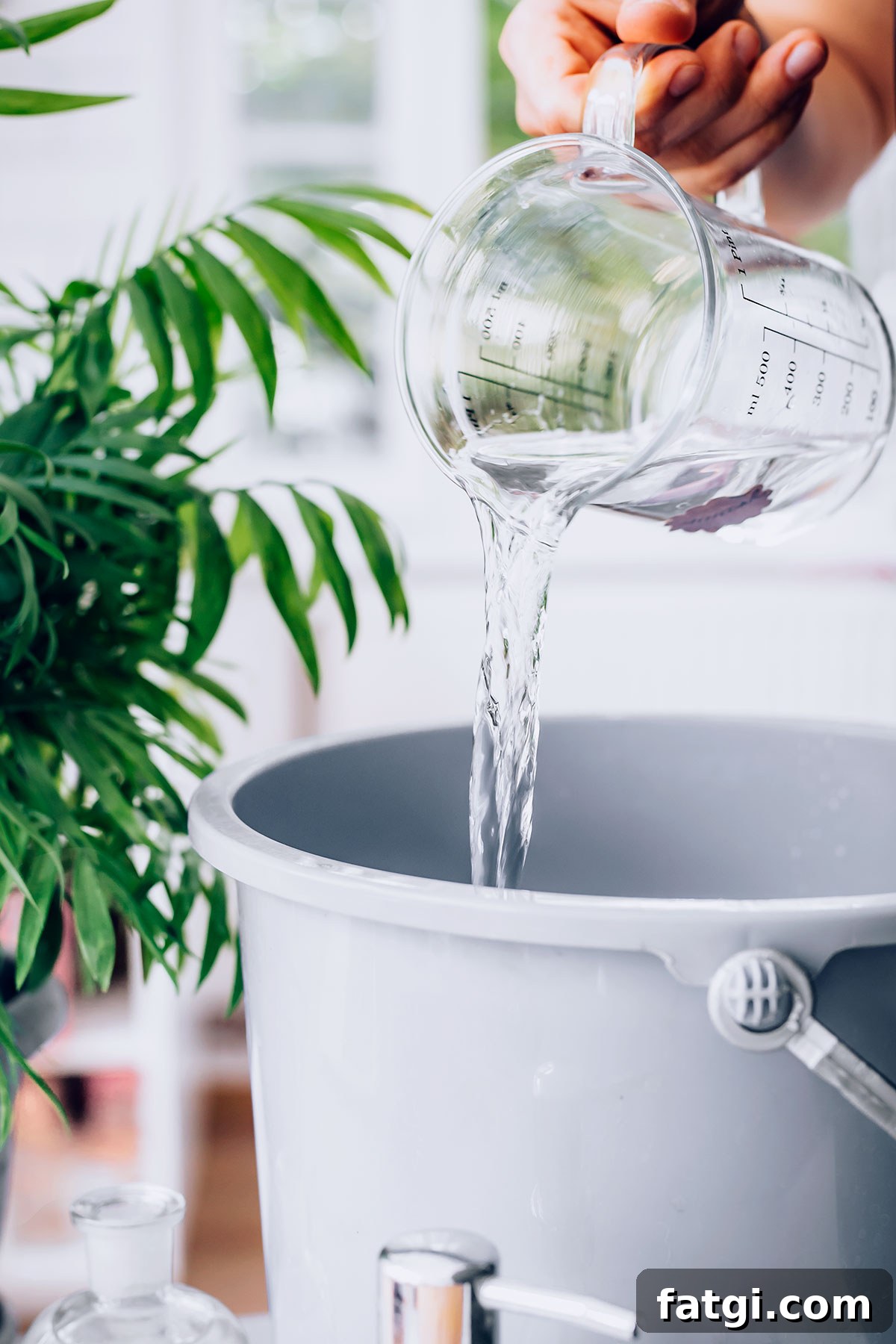
Combine in a bucket, dip and wring the mop well before cleaning, and allow the floor to air dry.
How to clean laminate floors
Laminate is a layered synthetic product with a protective topcoat. It resists stains but is sensitive to excess moisture. Use minimal water and avoid abrasive tools.
1. Wipe spills immediately. Standing liquids can seep into seams and damage the core layer.
2. Use nonabrasive tools. Soft microfiber mops and cloths prevent scratches.
3. Damp mop monthly. The mop should be nearly dry; wring out excess water before use.
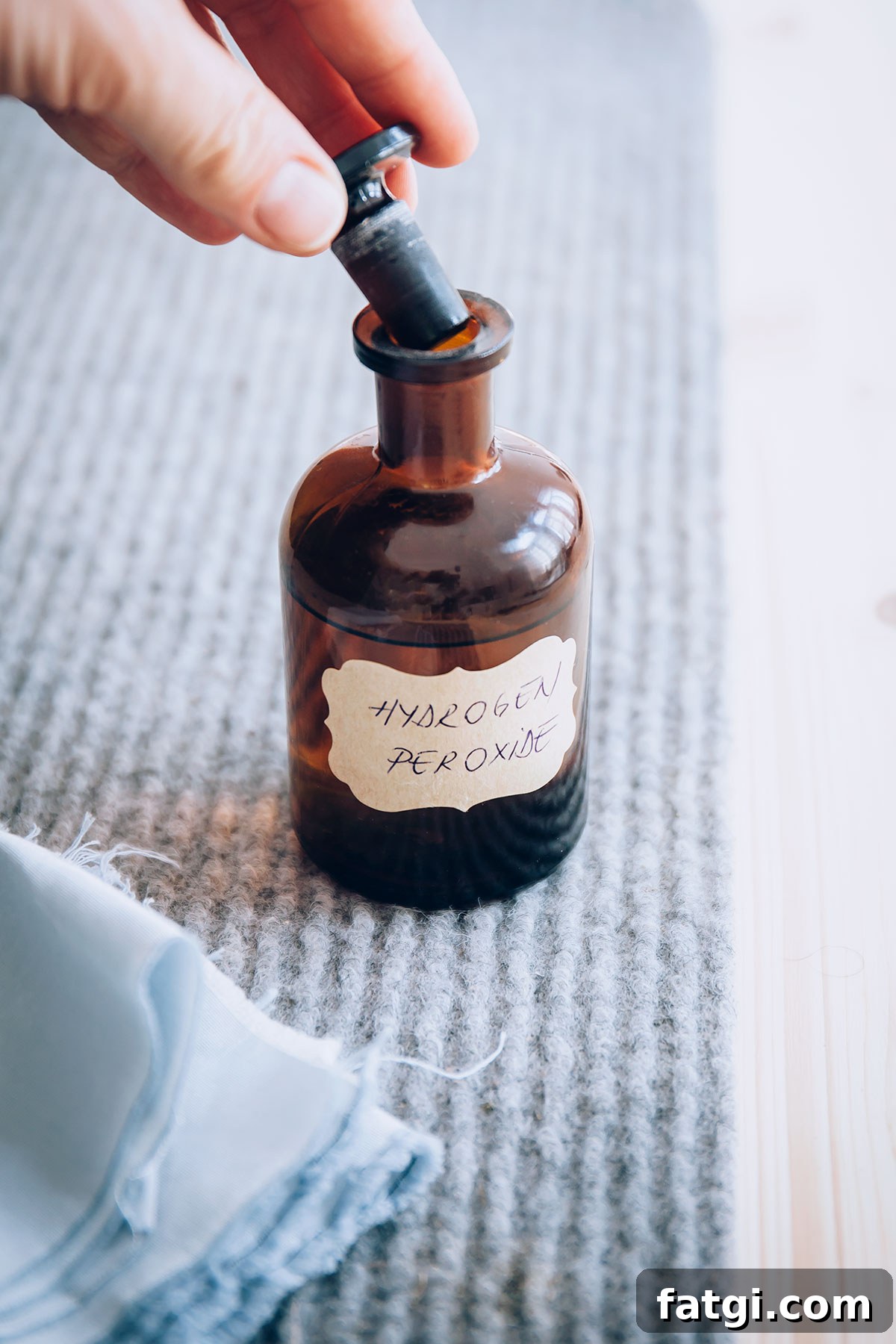
4. For deeper cleaning, use a cleaner formulated for laminate, or a quick-drying solution such as one made with rubbing alcohol diluted in water.
Always follow manufacturer recommendations for steam cleaners or specialty products to avoid voiding warranties.
How to clean carpet floors
Carpet care centers on regular vacuuming and prompt spot treatment. A quality vacuum makes a big difference in removing dirt and extending carpet life.
1. Clear the area. Move small items and lightweight furniture so you can vacuum and clean thoroughly.
2. Pre-clean and vacuum. Vacuum in two directions to lift embedded dirt. Spot-treat stains with an appropriate cleaner and blot—do not rub.
3. Light shampooing without a machine. For small areas, mix a few drops of carpet shampoo with warm water in a spray bottle, mist lightly (do not saturate), let sit, then blot with dry towels. Rinse with a light mist of plain water and blot again.
4. Air dry. Open windows or use fans to speed drying and prevent mildew.
Carpet care notes
Test any stain remover on a hidden area first to ensure colorfastness. For large or heavily soiled rugs, professional cleaning or a rental cleaner may be the most effective option.
How to clean natural stone floors
Stone floors like marble, granite, and slate need gentle, pH-balanced care to avoid etching and stains. Use soft tools and cleaners labeled safe for stone.
1. Dry dust mop first. Remove grit that can scratch stone surfaces.
2. Use a pH-balanced stone cleaner. Mix according to directions with warm water in a bucket.
3. Mop with a well-wrung microfiber mop. Work from the outer edge toward the exit and change the water if it becomes dirty.
4. Air dry. Avoid leaving standing water on porous stone.
Other flooring: vinyl, linoleum and cork
Vinyl
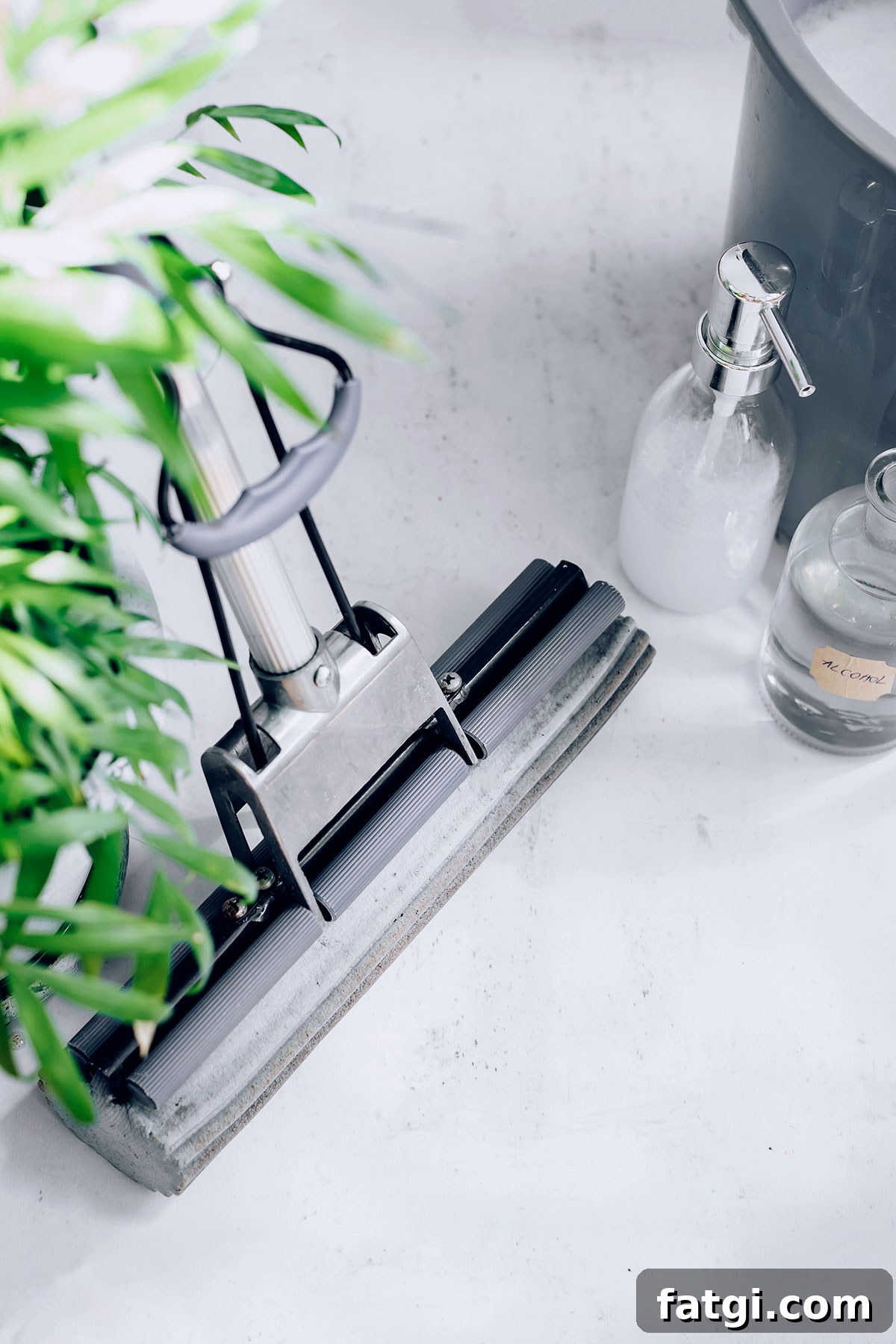
Sweep or vacuum first. A mild solution of 1 gallon water and 1/2 cup white vinegar cleans well. Use soft cloths or microfiber mops to avoid scratches; avoid abrasive brushes.
Linoleum
Vacuum, then clean with a product designed for linoleum and rinse. Every few months apply a compatible wax or sealant to protect the surface from wear.
Cork
Clean cork with a dry or slightly damp mop monthly. Do not saturate cork with water. For stubborn grime, use a pH-balanced cork cleaner diluted according to product instructions.
Consistent, gentle care tailored to each floor type keeps surfaces looking their best and extends their lifespan. When in doubt, follow manufacturer guidelines and test cleaners in an inconspicuous spot before full use.