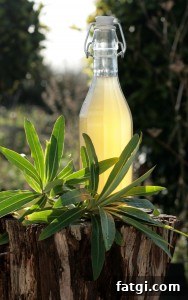
This simple T’ej (Ethiopian honey wine) recipe produces a fragrant, heady honey wine or mead that is quick to make and delicious to drink. Using just honey, water and a little patience, you can create a naturally fermented drink that echoes traditional methods while being accessible for home brewers. Below is a clear, practical recipe and a range of flavoring ideas to help you craft your own version of this ancient beverage.
T’ej — Ethiopian Honey Wine (Mead) Recipe
Equipment
For the initial fermentation use a wide-mouthed container such as a mixing bowl. For secondary fermentation and storage you will need a demijohn or another container that can be fitted with an airlock. A clean 5-litre square water bottle can substitute for a demijohn. If you don’t have an airlock, a plug of cloth or cotton wool covered with cling film and secured with an elastic band works as a temporary substitute.
This batch makes about 4.5 litres (roughly six standard bottles).
Ingredients
The honey you choose will significantly influence the final taste. Local, unprocessed honey tends to give the best aroma and character. You can also add herbs, spices, fruits or flowers for variation — suggestions are listed below.
I list sultanas as optional; they can introduce additional wild yeasts and add body to the finished wine. Yeast is only necessary if natural fermentation does not start on its own. Fresh flowers or other unwashed botanicals can increase the chance of wild yeasts inoculating the must.
Basic ingredients
750 ml honey
3 litres water
Optional
100 g sultanas
1 tsp wine yeast (only if fermentation stalls)
Method
1. In a wide-mouthed container, mix the honey with the water and stir until fully dissolved. Cover the container with a clean tea towel, muslin or similar and secure with an elastic band. Place in a warm spot to encourage fermentation.
2. Within about 4–14 days, depending on temperature, the mixture may begin to bubble and froth as wild yeasts ferment the must. If no activity appears after two weeks, sprinkle a little wine yeast on the surface to kick-start fermentation.
3. After the vigorous frothing subsides, transfer (decant) the liquid into a clean demijohn and seal with an airlock.
4. Allow the wine to ferment and condition. It will be drinkable in 2–4 weeks; earlier yields a sweeter, lower-alcohol drink, while longer conditioning produces a drier, stronger wine.
5. The wine will likely be cloudy at this stage. If you prefer a clearer wine, you can let it age so solids settle, or filter it through a wine filter or paper coffee filters. Racking the wine off the sediment into bottles or a wine box will help clarify it. To rack, elevate the full demijohn above the empty container, insert sterilized tubing into the top demijohn and siphon the clear liquid, taking care not to draw up sediment.
Serving
T’ej is enjoyable at room temperature or chilled. Its floral honey character and gentle acidity make it versatile with food, informal gatherings or as a sipping wine.
T’ej Variations and Flavor Ideas
There are many regional and personal variations of T’ej. Below are traditional and modern additions you can experiment with to create unique styles of honey wine.
Gesho or hops
Traditionally T’ej uses gesho (Rhamnus prinoides), a bittering herb. If you don’t have gesho, brewer’s hops can be used at the start with the honey and water to add a balancing bitterness.
Coffee and bananas
After fermentation begins, add 100–150 ml of roasted ground coffee and 2–4 peeled, sliced bananas for a rich, aromatic twist.
Citrus and citrus herbs
Add citrus peel or herbs like lemon thyme, lemon balm or lemon basil at the start; leave them in for 4–7 days and then strain out for a bright, zesty character.
Warming spices (metheglin style)
Mulled-wine style spices work well with honey wine. Try root ginger, cardamom, cinnamon, cloves, nutmeg, pepper or vanilla for a warming blend.
Herbs
Woody, aromatic herbs complement the honey: thyme, rosemary, bay, fennel and sage are good choices.
Flowers and berries
Flowers such as rose petals and many hedgerow berries are traditional in meads. Dandelion and other edible flowers can also lend delicate aromas.
Fruits
Fruit additions create named mead styles: cyser (apple), melomel (any fruit), morat (mulberries). Grapes or grape juice produce variations similar to hypocras or grape-based meads.
These ideas should give you plenty of options to explore. If you try the recipe or any variation, make notes on your process and tasting impressions so you can refine your next batch. Enjoy crafting your own T’ej and carrying on a long tradition of honey wine making.