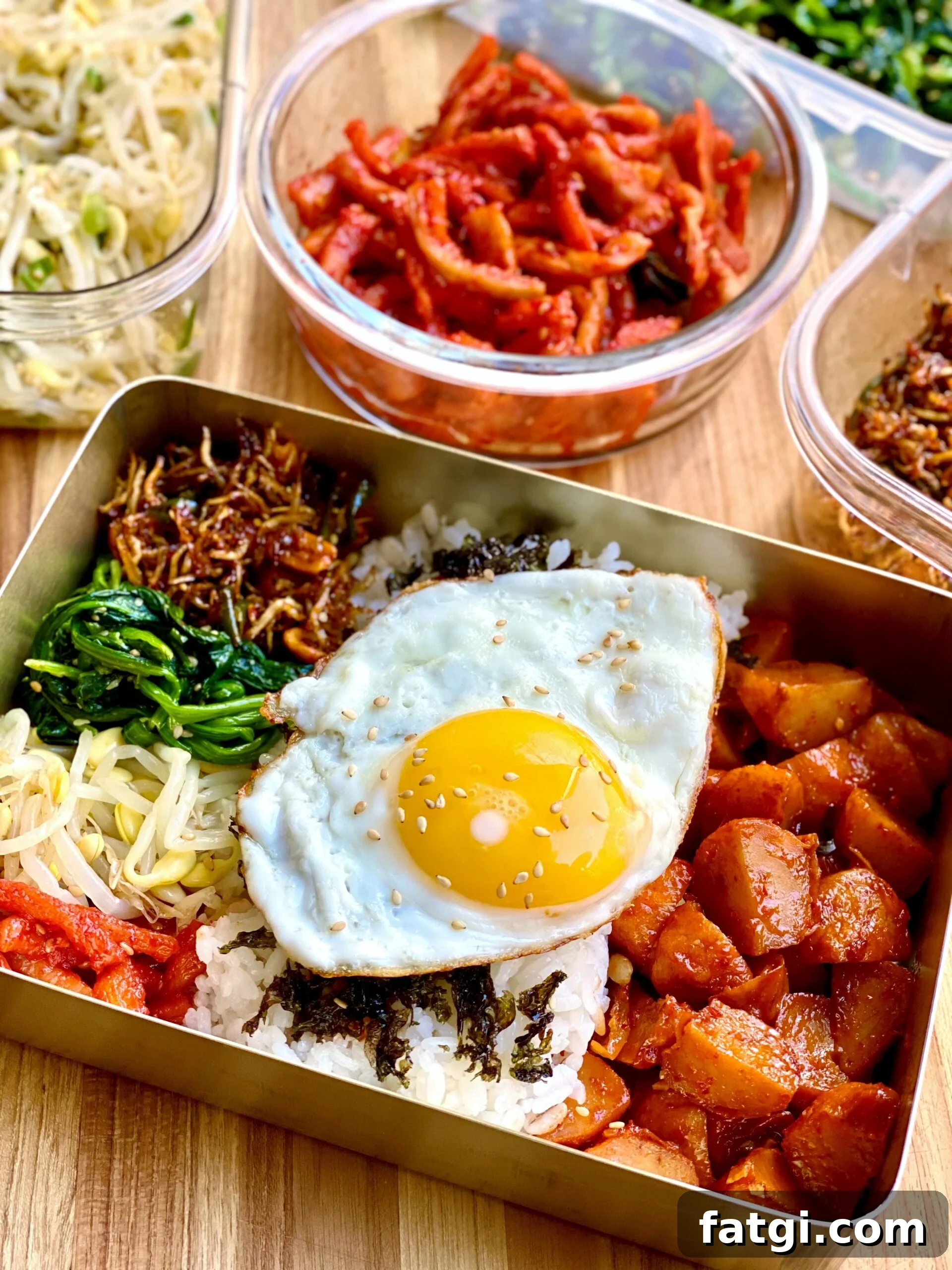
Dosirak (도시락) refers to the Korean lunchbox, a compact, balanced meal similar in concept to the Japanese bento. A typical dosirak includes rice as the base, a variety of banchan (side dishes), and a main protein or flavorful topping. This article explains what to pack, offers a simple stir-fried fish cake component, and shares tips for assembling and enjoying a nostalgic, portable Korean lunch.

In Korea it has long been customary for mothers and family members to prepare dosirak for schoolchildren and workers. For many families this was a daily ritual: rice packed with a small selection of seasoned vegetables, protein, and something pickled or fermented for flavor. In some households the task of preparing lunches fell to the eldest daughter or another family member, creating an everyday routine of packing multiple lunches each morning.
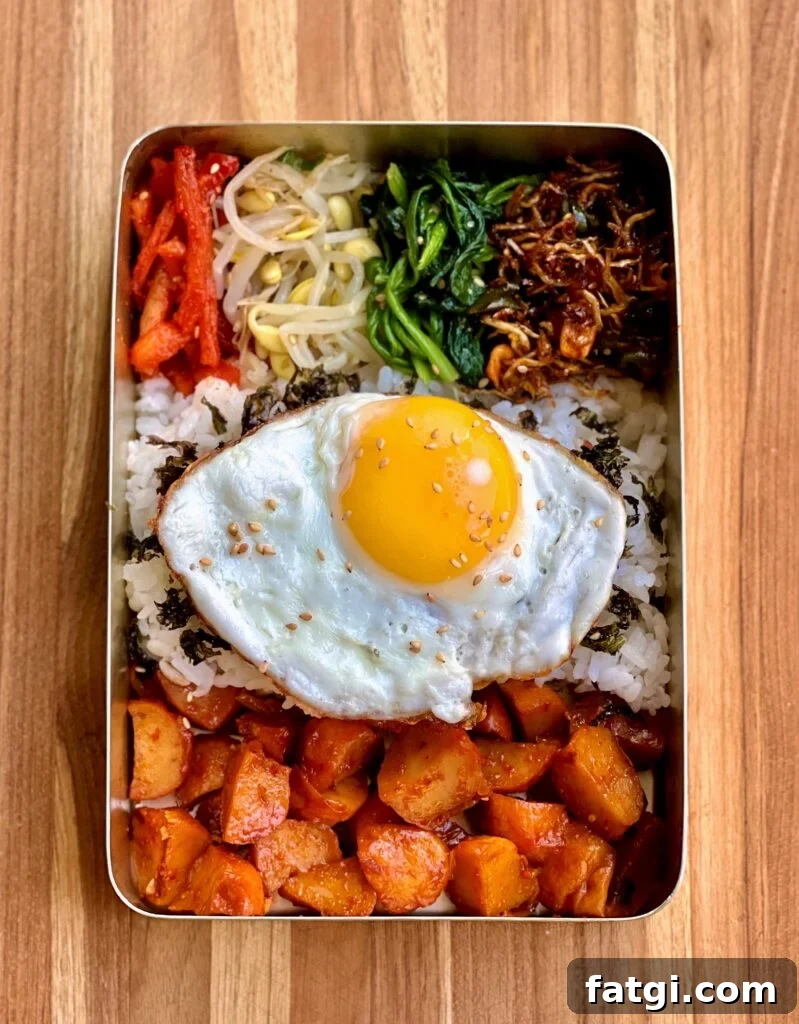
What to Pack in Your Dosirak
The contents of a dosirak vary by season, availability, and personal preference. Traditionally, rice is at the center. Fresh and perishable vegetables—such as seasoned spinach or seasoned bean sprouts—were often packed in cooler months when they kept better without refrigeration. Schools rarely provided microwaves or fridges in the past, so cooks chose ingredients that travel well and hold up until lunchtime.
Typical dosirak components:
- Steamed white rice or mixed grains as the base.
- Banchan (small side dishes) like seasoned spinach, seasoned bean sprouts, stir-fried anchovies, and kimchi.
- A protein or flavorful topping: fish cakes, rolled omelette (gyeran mari), gimbap slices, or fried rice.
- Extras such as seasoned seaweed, a fried egg, or a small portion of seasoned meat or processed items like Spam in modern variations.
In colder seasons, lunches could be warmed by placing the box near a heat source; some families even heated dosirak on coals at school during winter. Today, modern lunch containers with multiple layers and insulation make transport and portioning easier, and many convenience stores in Korea sell ready-made disposable dosirak sets that are handy and surprisingly good.
Dosirak 도시락 (Korean Lunchbox)
Summary: Dosirak is a traditional Korean packed lunch composed of rice, a selection of banchan, and a protein. It’s practical, flavorful, and adaptable—perfect for school, work, or a picnic.
Author: Stella Navarro-Kim
Total time: 20 minutes • Servings: 1 person
Ingredients (for one dosirak)
- Rice — cooked, enough for one serving
- Stir-fried fish cakes:
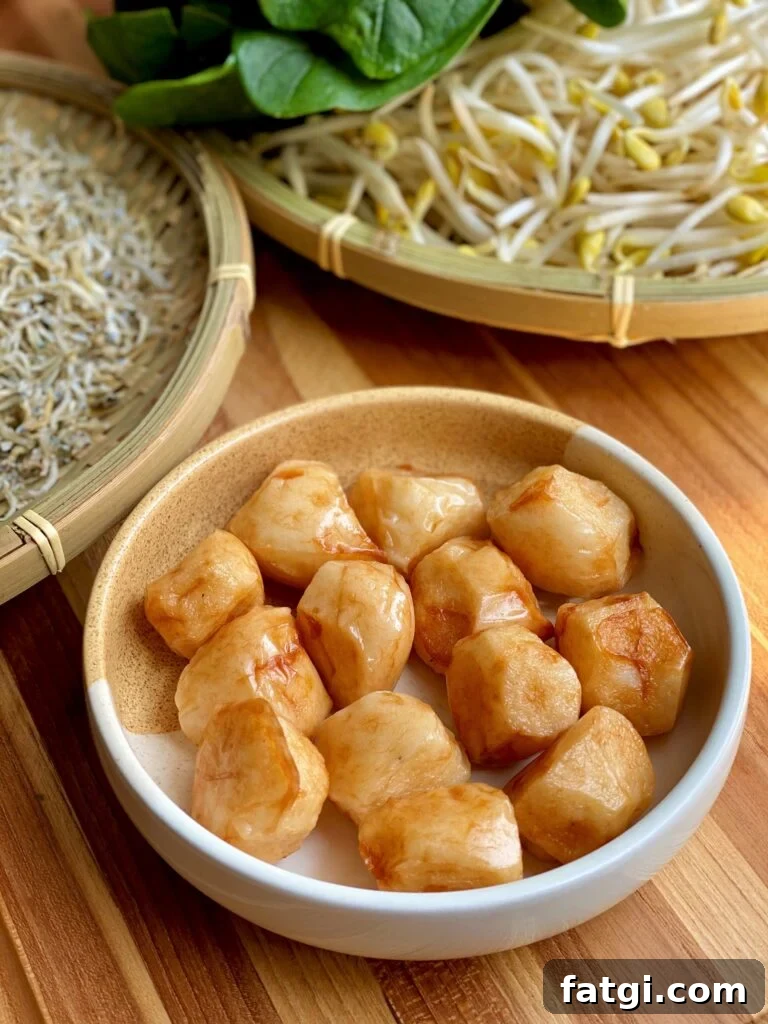
- 5 oz fish cakes, cut into bite-size pieces
- Sliced onion
- 1 tsp soy sauce
- 1 tbsp gochujang (Korean red pepper paste)
- 1 tsp gochugaru (Korean red pepper flakes)
- 1 garlic clove, minced
- 2 tsp mirin
- 1 tsp sugar
- 1 tsp rice syrup (or honey)
- Banchan (choose a few): seasoned spinach, seasoned bean sprouts, stir-fried anchovies, kimchi
- Extras: seasoned seaweed, fried egg
Instructions
- Prepare the rice so it is warm or at room temperature for packing.
- Cut large fish cakes into bite-sized pieces. Any form of fish cake—sheets or balls—works well.
- Heat a little oil in a pan over medium heat. Stir-fry the sliced onion and fish cakes for about one minute until they begin to soften.
- Mix the sauce ingredients (soy sauce, gochujang, gochugaru, garlic, mirin, sugar, rice syrup) and add to the pan. Reserve about one tablespoon of the sauce to drizzle over the rice if desired.
- Stir-fry for 2–3 minutes until the fish cakes are well-coated and the sauce slightly caramelizes. Reduce heat if the mixture starts to brown too quickly.
- Pack the dosirak: place the rice in the main compartment, arrange fish cakes and chosen banchan in separate sections, and add kimchi or seasoned vegetables for brightness.
- Top the rice with reserved sauce, a sprinkle of seasoned seaweed, and a fried egg if you like. For a bibimbap-style meal, close the box and shake gently to mix everything together; otherwise enjoy each component separately.
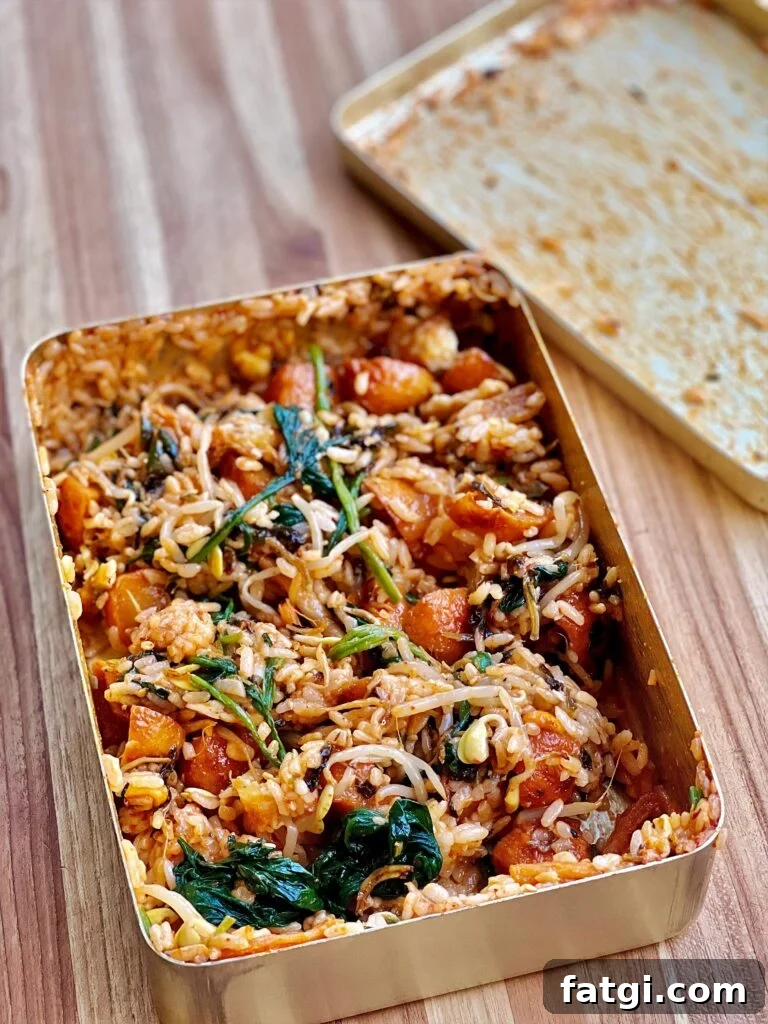
Dosirak is both practical and comforting. Whether you assemble a simple version with rice and a couple of sides or create an elaborate layered box with multiple banchan, the goal is the same: a balanced, flavorful meal that travels well. Modern variations and convenience-store options make it easy to enjoy dosirak anywhere, while traditional preparations preserve the memory and care that went into daily home-packed lunches.
If you try this dosirak approach, consider which seasonal vegetables and banchan travel best for your needs. Small portions of diverse flavors—salty, spiced, fresh, and fermented—make each lunch satisfying.