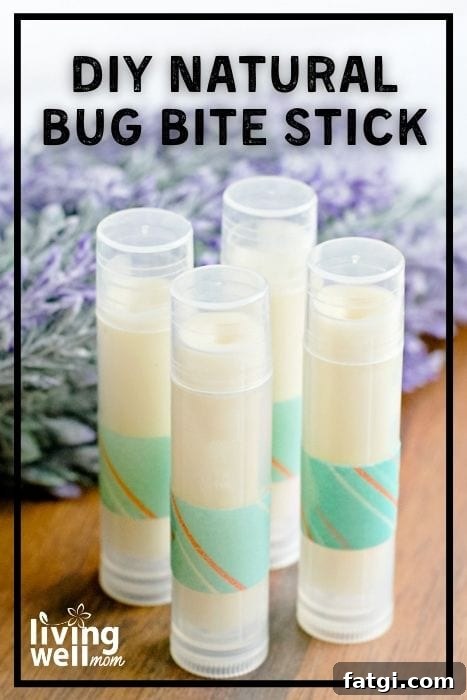
Warm weather is one of the best parts of spring and summer, but it often comes with one very annoying downside: bug bites. If mosquitoes, chiggers, or other insects seem to find you no matter where you go, this simple DIY bug bite stick can be a helpful addition to your natural skin care routine.
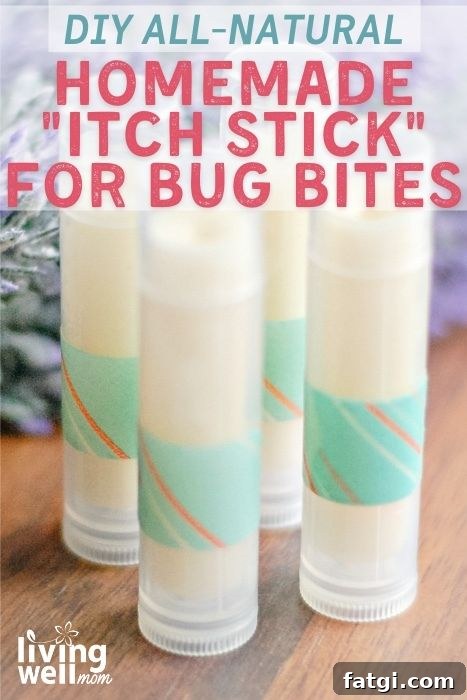
This homemade itch relief stick is made with coconut oil, beeswax, and carefully chosen essential oils for itchy skin. It is easy to apply, convenient to carry, and simple enough to make in just a short amount of time.
Many people like using a roller bottle for mosquito bite relief, but an itch stick can be even easier for kids and adults to use. It glides directly onto the affected area without needing to touch the bite with your fingers, making it a great option for bedtime, travel, camping trips, hiking, or keeping in a summer bag.
This recipe uses only a few basic ingredients and makes several tubes, so one batch can last through much of the season. Keep one at home, one in your purse, and one in your outdoor gear so you can reach for quick, natural bug bite relief when you need it.
**Please note: these homemade itch sticks are intended for topical use only and are for minor bug bite itching. They are not meant to treat severe allergic reactions, serious rashes, or medical emergencies. If you or your child experiences swelling, difficulty breathing, a severe rash, or any concerning reaction, seek medical care immediately.**
Essential Oils for Itching
The key to this DIY bug bite stick is choosing essential oils that are commonly used for soothing itchy, irritated skin. When blended with coconut oil and beeswax, they create a solid balm that is easy to apply directly to small bites.
Lavender essential oil is a popular choice for skin discomfort. It is often used in homemade skin care recipes because it has a gentle scent and is considered a good option for sensitive skin. Many people reach for lavender when dealing with mild itching from bug bites, minor skin irritation, or other everyday skin concerns.
Peppermint essential oil adds a cooling sensation that can feel especially comforting on itchy skin. That cooling effect is one reason peppermint is frequently included in natural itch relief blends. Because peppermint is strong, use it carefully and avoid applying it near the eyes, nose, or other sensitive areas.
Basil essential oil is another option that can be included in this blend. A few drops may be added if you enjoy the scent and want to make the recipe closer to the full trio of oils. If you are making this for young children or anyone with sensitive skin, use essential oils conservatively and consider doing a small patch test first.
Lavender, peppermint, and basil make a useful combination for a simple homemade bug bite stick. However, if you prefer a different scent or do not have these oils on hand, there are other essential oils often used in DIY skin-soothing recipes.
- tea tree oil
- geranium oil
- chamomile oil
- eucalyptus oil
- frankincense oil
- patchouli oil
- bergamot oil
- myrrh oil
- lemongrass oil
Homemade Itch Stick Supplies
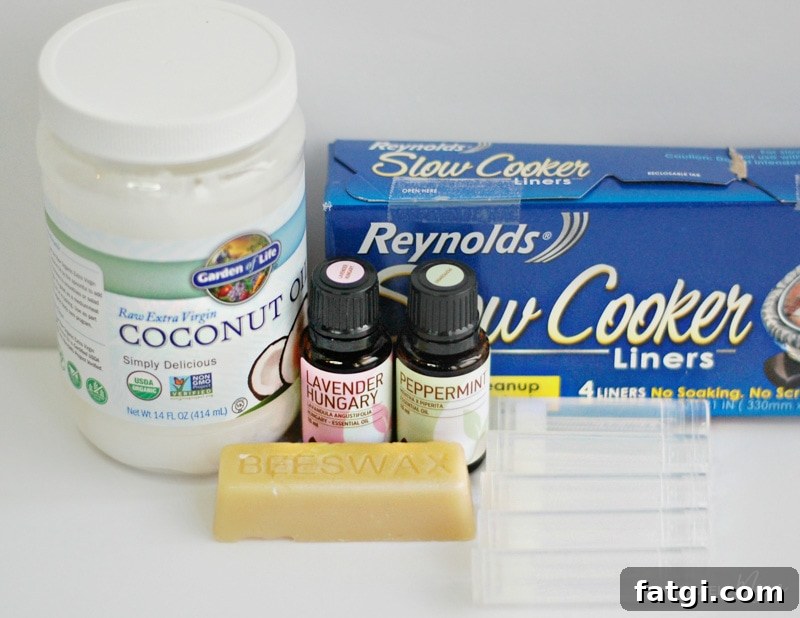
- 1 oz beeswax
- 2 heaping tablespoons coconut oil
- 10 drops lavender essential oil
- 10 drops peppermint essential oil
- A few drops basil essential oil, optional
- Slow cooker and slow cooker liner, optional
- Microwave-safe glass measuring cup, optional
- Empty lip balm tubes or small balm containers
- Decorative washi tape, stickers, labels, or a permanent marker, optional
Step by Step Directions for Making a Bug Bite Stick
There are two easy ways to make this homemade bug bite stick. The slow cooker method is convenient if you are making several tubes and want cleanup to be simple. The microwave method is faster and works well if you want to make the recipe without extra equipment.
Slow Cooker
The slow cooker method works best when you use a slow cooker liner. Beeswax can be difficult to clean once it cools and hardens, so the liner helps prevent a sticky mess.
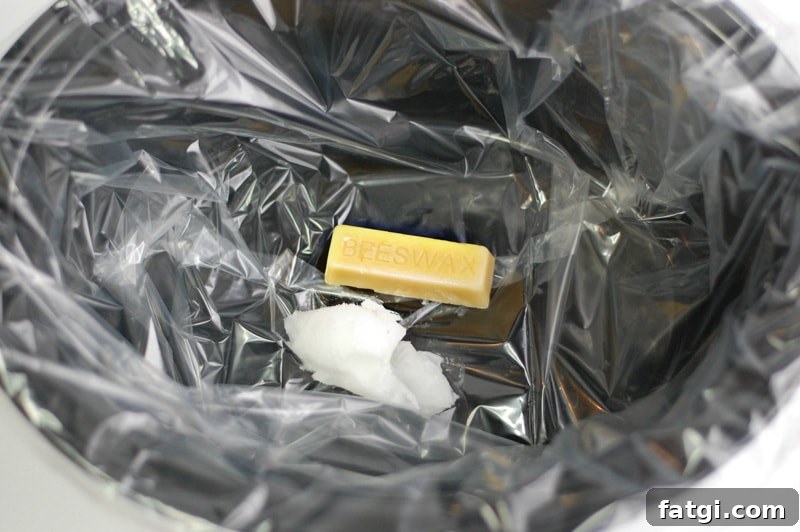
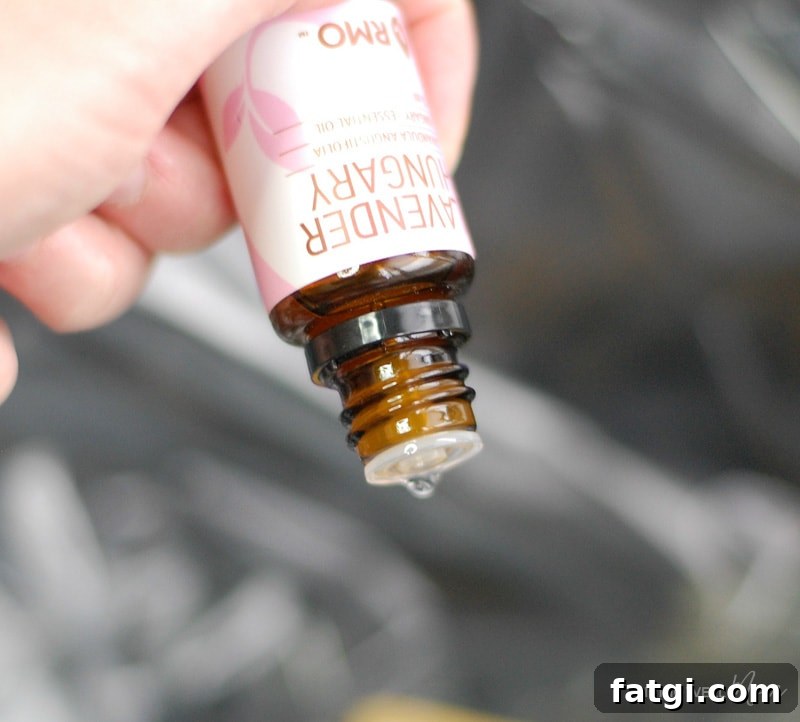
Place one ounce of beeswax and two heaping tablespoons of coconut oil into the lined slow cooker. Add 10 drops of lavender essential oil.
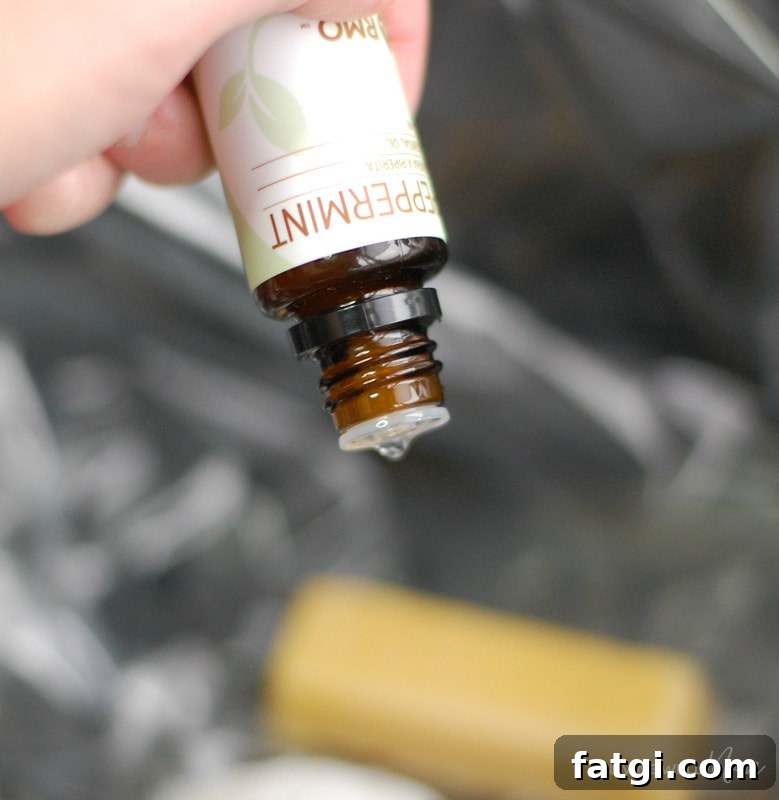
Add 10 drops of peppermint essential oil. If you want to include basil essential oil, add a few drops as well.
Turn the slow cooker to the warm setting and allow the mixture to melt completely. This usually takes about 30 to 60 minutes, depending on your slow cooker and the size of the beeswax pieces.
Once everything has melted, carefully lift the liner from the slow cooker. Twist the top of the liner so it can be used like a piping bag.
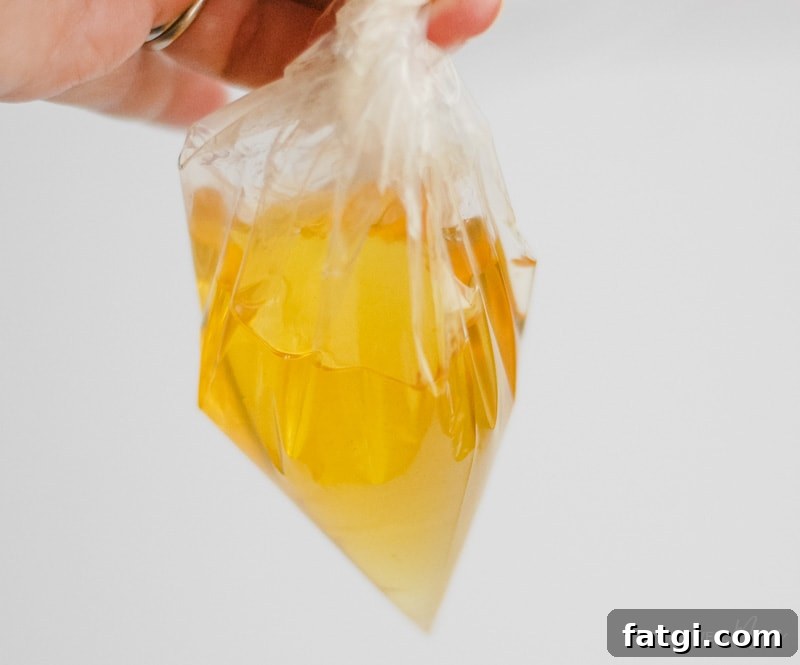
Snip a very small hole in one corner of the liner and use it as a spout to fill each empty lip balm tube with the melted mixture. Work carefully, as the liquid can be hot and the opening of the tube is small.
Place newspaper, parchment paper, or a towel underneath the tubes before filling them. This helps catch any drips and makes cleanup easier. You may also want to wear gloves while handling the warm liner.
After the tubes are filled, let them sit upright until the balm cools and becomes solid. If any oil dripped onto the outside of the tubes, wipe them clean once they have cooled.
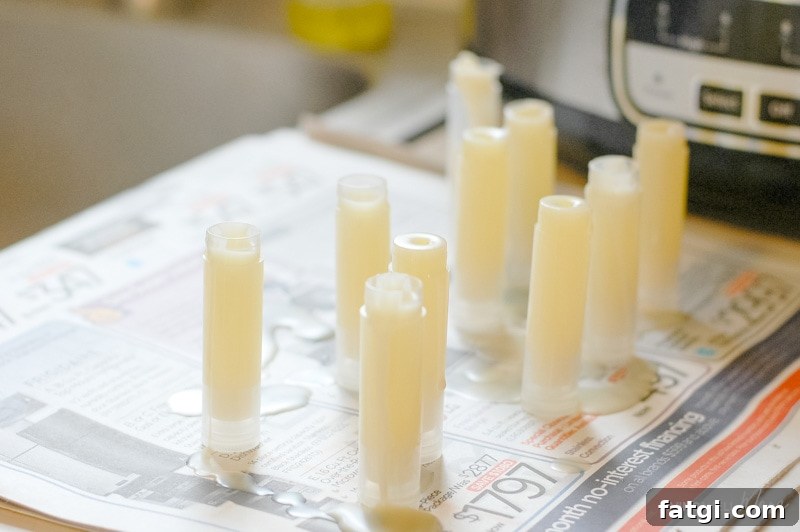
When you are finished, discard the slow cooker liner. This makes the process much easier than trying to scrub hardened beeswax from your slow cooker.
Microwave
You can also make this bug bite stick in the microwave. This method is quick and works especially well if you use a microwave-safe glass measuring cup with a spout.
Add the beeswax and coconut oil to the glass measuring cup. Heat in 30-second intervals, stirring between each interval, until the mixture is fully melted.
Do not add the essential oils at the beginning of the microwave process. Add the lavender, peppermint, and optional basil essential oil after the beeswax and coconut oil have melted. Stir well to combine.
Carefully pour the liquid balm into the empty lip balm tubes or small containers. Let them cool completely before adding the lids.
How to Use the Bug Bite Sticks
To use your homemade bug bite stick, apply a small amount directly to the itchy bite or irritated spot. Reapply as needed, avoiding broken skin, eyes, and sensitive areas.
These itch relief tubes are especially convenient because they are small, portable, and easy to use. You can keep one near your bed, in a purse, in a backpack, or with your camping supplies. They are also helpful for kids who wake up bothered by itchy mosquito bites during the night.
This DIY itch stick may be useful for minor itching caused by common outdoor bites and stings, including mosquitoes, chiggers, fire ants, sand fleas, horseflies, and similar pests. Always use common sense and seek medical advice if a bite becomes infected, unusually swollen, painful, or does not improve.
Caution: do not leave your homemade itch stick in a hot car, direct sunlight, or any very warm place. Coconut oil can melt, which may leave the tube messy or liquefied.
Labeling and Storing Your Itch Sticks
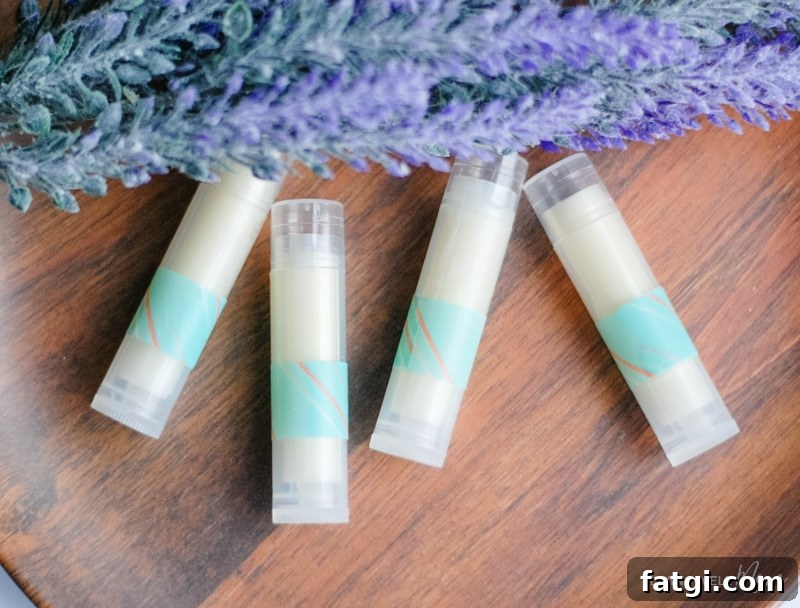
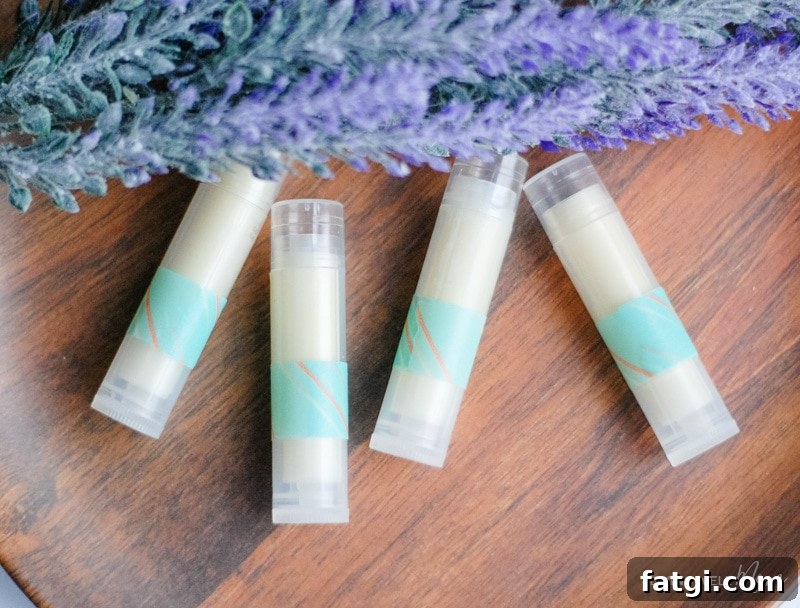
Decorative washi tape is an easy way to give your homemade itch sticks a neat finished look. You can also use printed labels, stickers, or a permanent marker to identify each tube.
Labeling is especially helpful if you make several homemade balms or lip balm recipes. Be sure to include the name of the recipe so it is not confused with regular lip balm.
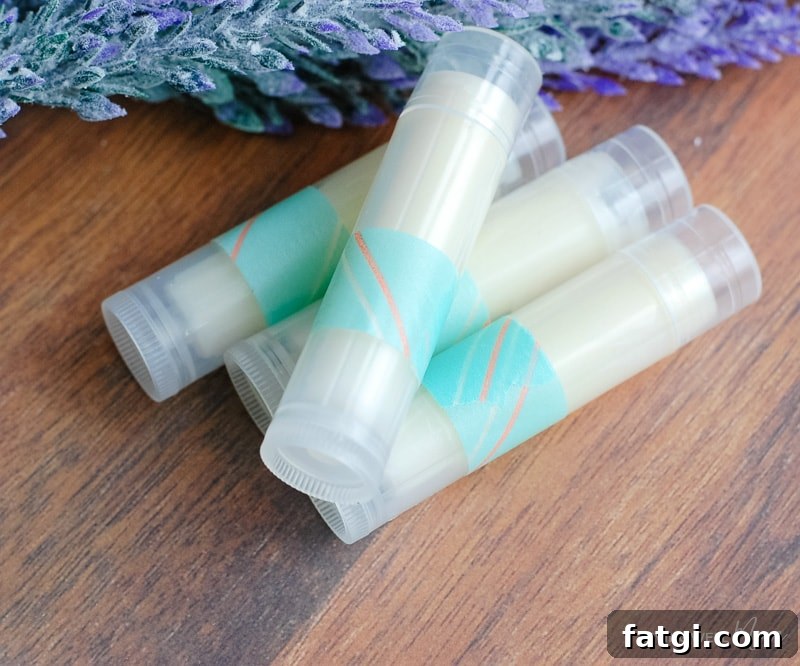
This homemade bug bite stick is a simple, natural option for minor itchy bites during warm weather. With beeswax for firmness, coconut oil for a smooth base, and essential oils for a cooling, soothing effect, it is a practical DIY recipe to keep on hand all summer.
More Ways to Use Essential Oils for Bugs
- Bug repellent lotion bars
- Essential oil mosquito repellent recipe
- Essential oil roll-on for mosquito bites