Essential oils have been used in cleansing rituals for centuries, and their role in soap making remains just as appealing today. When blended into handmade soap, they add more than a pleasant scent. The right essential oils can make a bar feel calming, refreshing, clarifying, or comforting, turning an everyday shower or bath into a simple self-care ritual.
Choosing the best essential oils for soap making can elevate both the fragrance and the overall experience of your handmade bars. From soothing lavender to energizing peppermint and bright citrus oils, each option brings its own aroma profile and skin-friendly qualities. Whether you are making cold process soap or using a melt-and-pour base, essential oils are a natural way to personalize your recipe.
The Benefits of Essential Oil Soap
Essential oils are popular in natural soap making because they provide fragrance without relying on synthetic perfume oils. They can be used in both cold process and melt-and-pour soap recipes, although they should always be measured carefully and added at a skin-safe rate.
- Aromatherapy – Essential oils give soap a natural scent that can help create a relaxing, uplifting, or refreshing mood while washing.
- Therapeutic – Depending on the oil, handmade soap may offer cleansing, soothing, anti-inflammatory, or skin-balancing benefits.
Because soap is applied directly to the skin, it is important to choose high-quality essential oils from reputable manufacturers. Look for oils labeled 100% pure, and avoid products that are diluted, blended with fragrance oils, or unclear about their ingredients. Plant Therapy, NOW Foods, Aura Cacia, and Mountain Rose Herbs are examples of well-known essential oil brands.
Heat can reduce the strength and benefits of essential oils, so let your soap base cool as much as possible before adding them. Some essential oils begin to lose potency at temperatures around 100°F, which may affect their aroma and performance in the finished bar.
Best Essential Oils for Soap Making
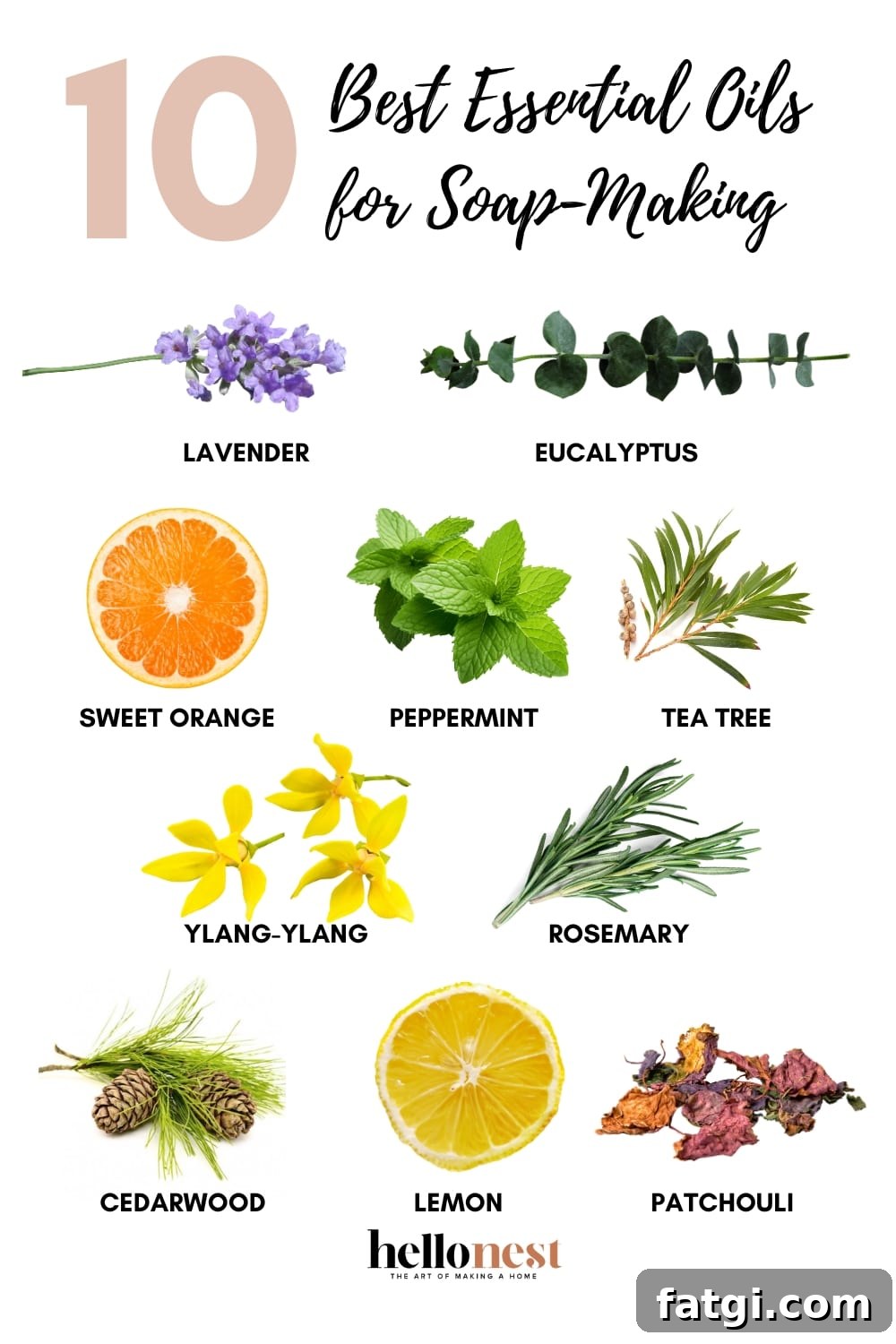
The best essential oils for soap making include floral, herbal, minty, woody, and citrus options. Classic oils like lavender and tea tree are favorites for cleansing and soothing bars, while lemon, sweet orange, and peppermint create bright, energizing soaps. You can use one essential oil on its own or blend several together to create a custom scent.
1. Lavender Essential Oil
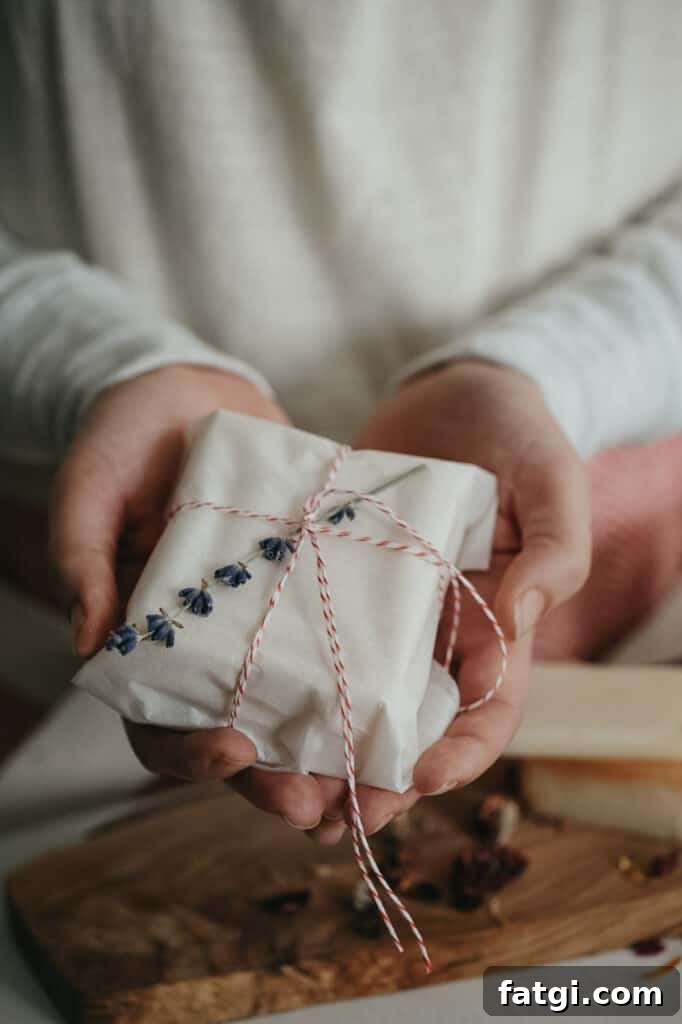
Lavender essential oil is one of the most versatile oils for handmade soap. Its soft, floral aroma is calming and familiar, making it ideal for evening bath bars, gentle hand soaps, and relaxing shower soaps. Lavender is also often used for skin that feels dry, irritated, or sensitive.
If you are new to making essential oil soap, lavender is a great place to start. It blends well with citrus, mint, herb, and woodsy oils, but it is also beautiful on its own. A usage rate around 3% is commonly used in soap recipes, depending on the formula and skin-safety guidelines for the specific oil.
Try This Lavender Lemon Soap Recipe
2. Tea Tree Essential Oil
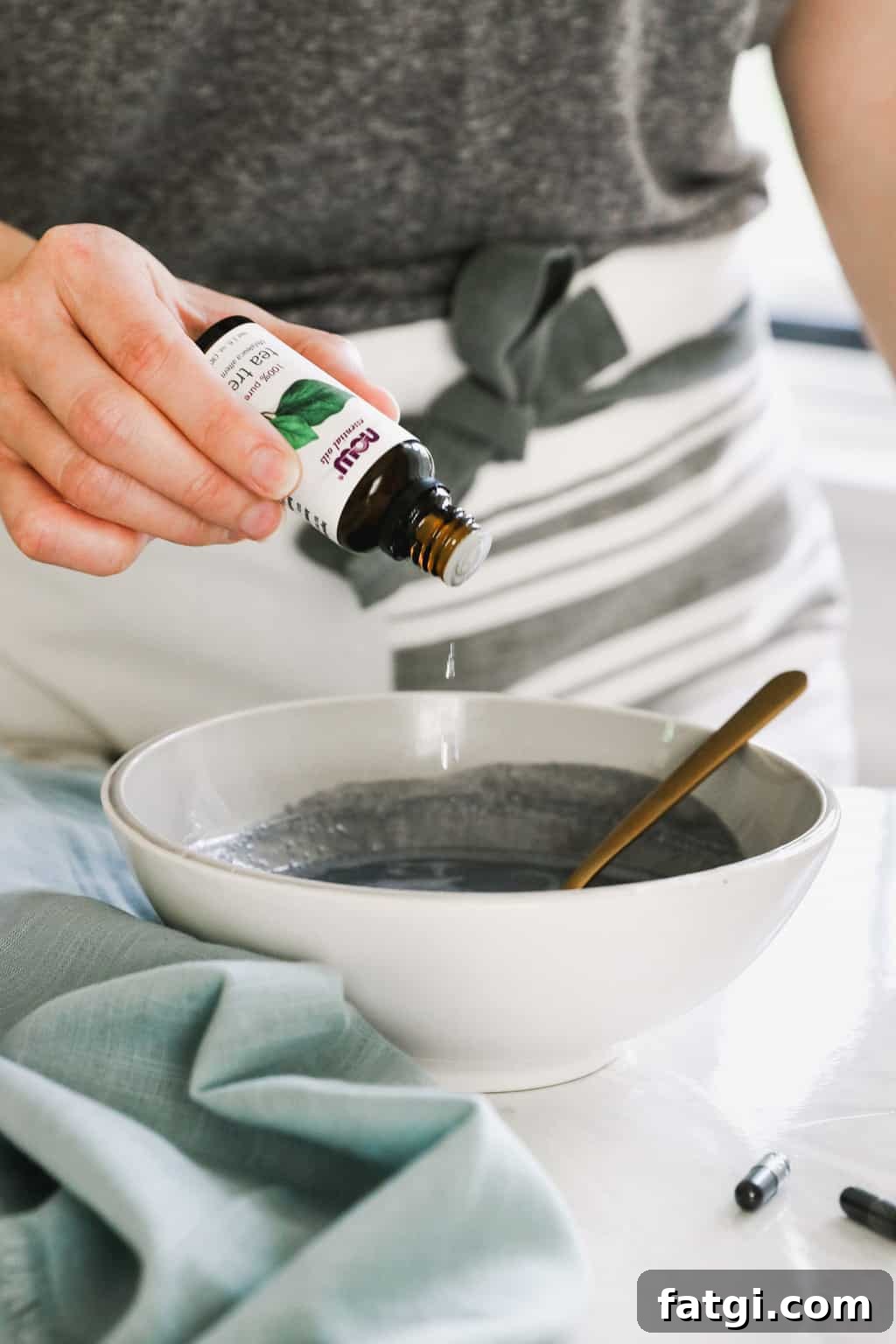
Tea tree essential oil is valued for its fresh, medicinal scent and strong cleansing qualities. It is often used in soaps designed for oily, blemish-prone, or problem skin because of its purifying and skin-calming properties. Its sharp herbal aroma gives soap a clean, practical feel.
For handmade soap, tea tree oil is often used at 1-3% of the total recipe. It can be used alone in a simple cleansing bar or blended with lavender, eucalyptus, rosemary, or peppermint for a fresher scent and a more balanced aroma.
Try This Activated Charcoal + Tea Tree Soap Recipe
3. Sweet Orange Essential Oil
Sweet orange essential oil gives handmade soap a cheerful, juicy citrus scent. It is a favorite for bright morning shower bars and soaps that feel fresh, clean, and uplifting. Its naturally sweet aroma blends beautifully with other citrus oils, warm spices, lavender, and cedarwood.
When using sweet orange essential oil in soap, start with about 1-5% of your recipe, following safe usage recommendations for the product you have. Citrus essential oils can be sensitive to light and may increase sun sensitivity in some situations, so use them thoughtfully and avoid overdoing the amount in your recipe.
Try This Sweet Orange Soap Recipe
4. Peppermint Essential Oil
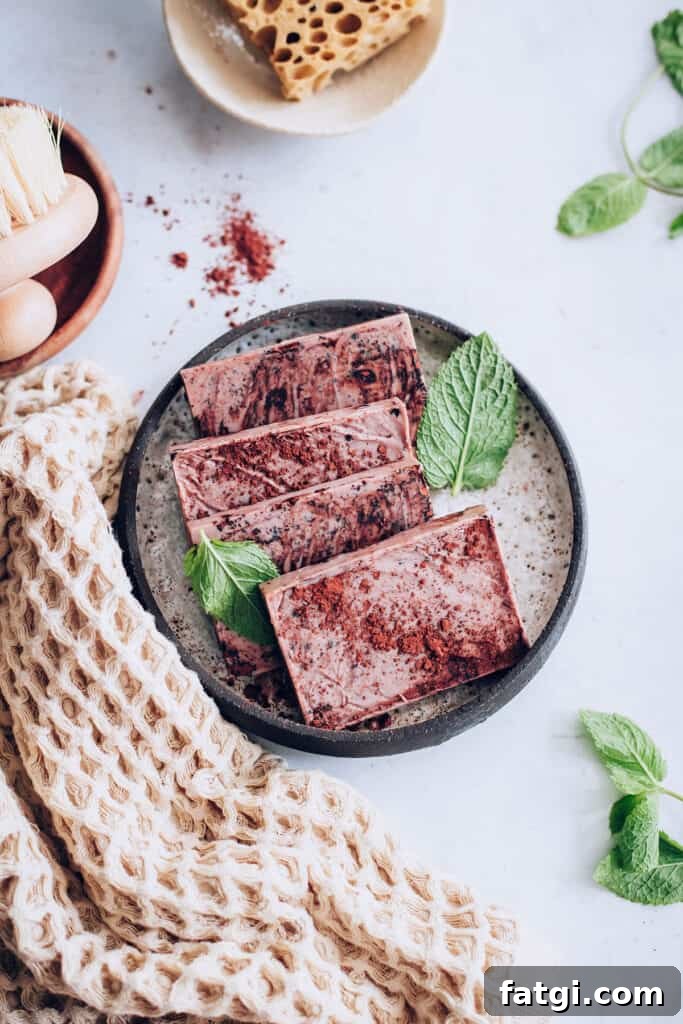
Peppermint essential oil adds a crisp, cooling scent to handmade soap. It is especially popular in morning shower bars because its fresh aroma feels energizing and clean. The cooling sensation can be strong, so peppermint should be used carefully, especially in soaps intended for sensitive skin.
A little peppermint oil goes a long way. For most soap recipes, 1-3% is enough to create a noticeable mint scent without overwhelming the bar. Peppermint pairs well with chocolate, eucalyptus, rosemary, tea tree, lavender, and patchouli.
Try This Peppermint Chocolate Soap Recipe
5. Eucalyptus Essential Oil
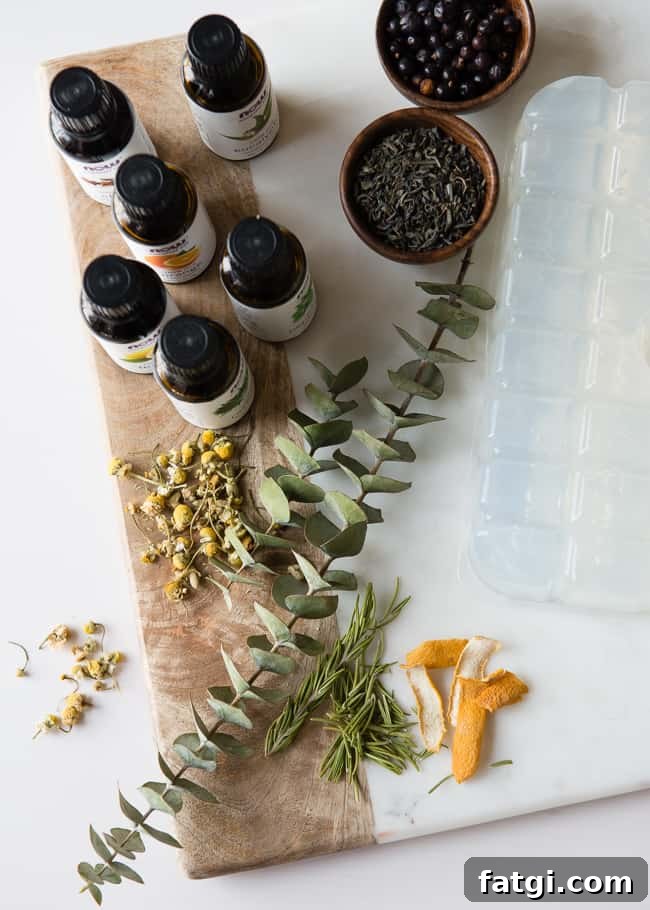
Eucalyptus essential oil brings a clean, refreshing aroma to soap. Its strong herbal scent is commonly associated with clear breathing and a spa-like shower experience. This makes it a good choice for shower bars, winter soaps, and blends designed to feel crisp and invigorating.
Use eucalyptus essential oil at about 1-3% of your soap batch. It blends especially well with peppermint, tea tree, lemon, rosemary, and lavender. In melt-and-pour soap, add it after the soap base has cooled slightly so the scent stays stronger in the finished bar.
Try This Eucalyptus + Lemon Glycerin Soap Recipe
6. Cedarwood Essential Oil
Cedarwood essential oil gives soap a warm, dry, woody scent. It is a great choice for rustic handmade bars, earthy blends, and soaps with a natural outdoor aroma. Cedarwood also helps ground stronger oils, making it useful when creating balanced essential oil blends for soap.
In soap recipes, cedarwood is often used at 1-3%. It works well on its own, but it also pairs beautifully with patchouli, lavender, rosemary, sweet orange, and other woodsy or herbal oils. The result is a bar that feels calming, simple, and naturally scented.
Try This Cedarwood Baking Soda Soap Recipe
7. Lemon Essential Oil
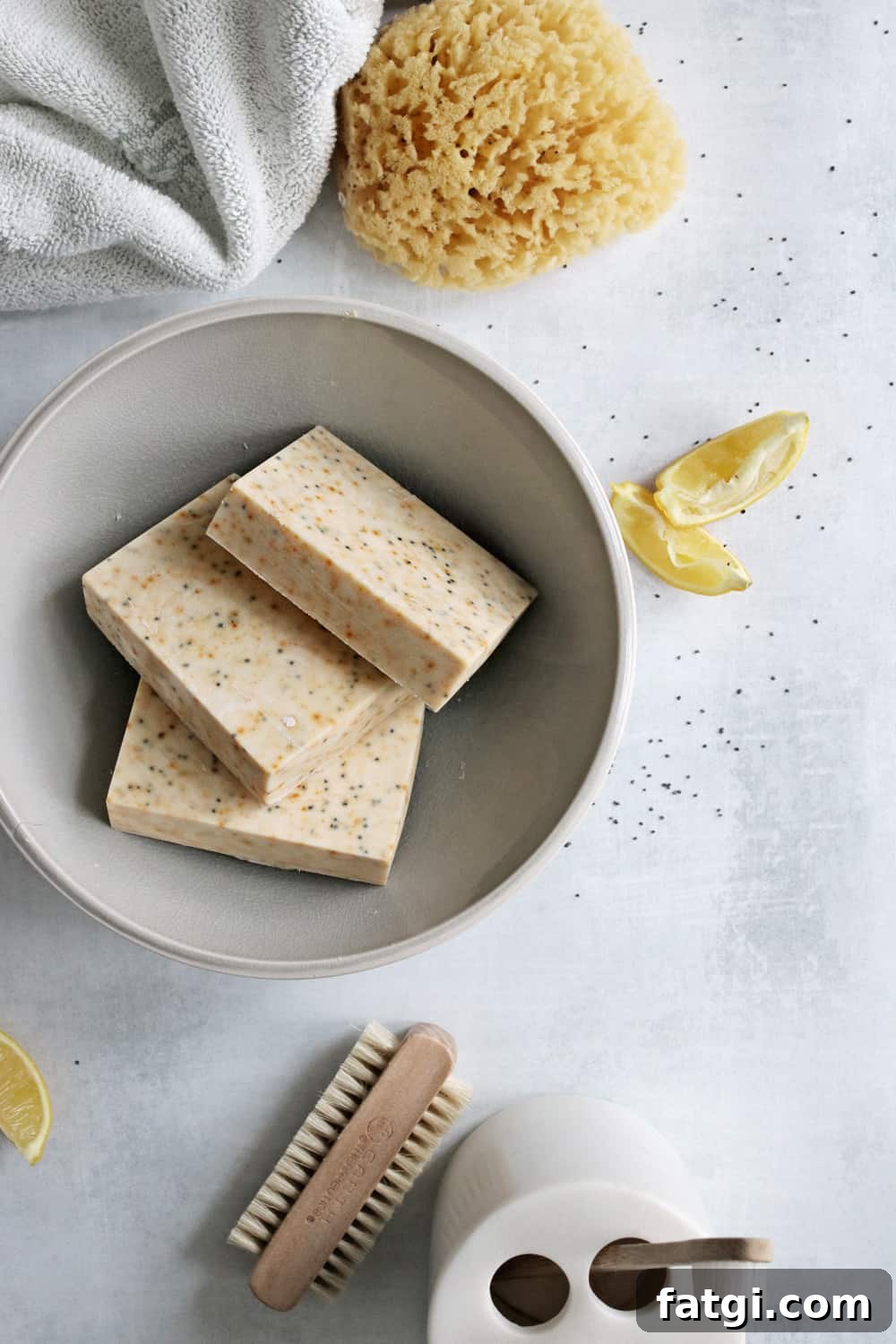
Lemon essential oil adds a bright, sunny fragrance to handmade soap. Its fresh citrus scent is ideal for kitchen soaps, morning shower bars, and recipes meant to feel clean and uplifting. Lemon is also often chosen for soaps that are designed to refresh dull or oily skin.
Lemon essential oil is strong, so a small amount is usually enough. Try using it at 0.5-1% of your total batch. Like many citrus oils, lemon can increase skin sensitivity to sunlight, so use it sparingly and follow safe usage guidelines. It blends well with bergamot, sweet orange, eucalyptus, rosemary, lavender, and peppermint.
Try This Lemon + Bergamot Cold Process Soap Recipe
8. Ylang-Ylang Essential Oil
Ylang-ylang essential oil has a rich, sweet floral scent that gives handmade soap a more luxurious feel. Its tropical aroma is romantic, soft, and long-lasting, making it a popular choice for bath bars designed for relaxation.
Because ylang-ylang is very fragrant, it should be used in small amounts. A usage rate of 0.5-1% is often enough to scent a soap recipe. It blends well with patchouli, lavender, sweet orange, cedarwood, and other floral or earthy essential oils.
Try This Patchouli + Ylang Ylang Soap Recipe
9. Rosemary Essential Oil
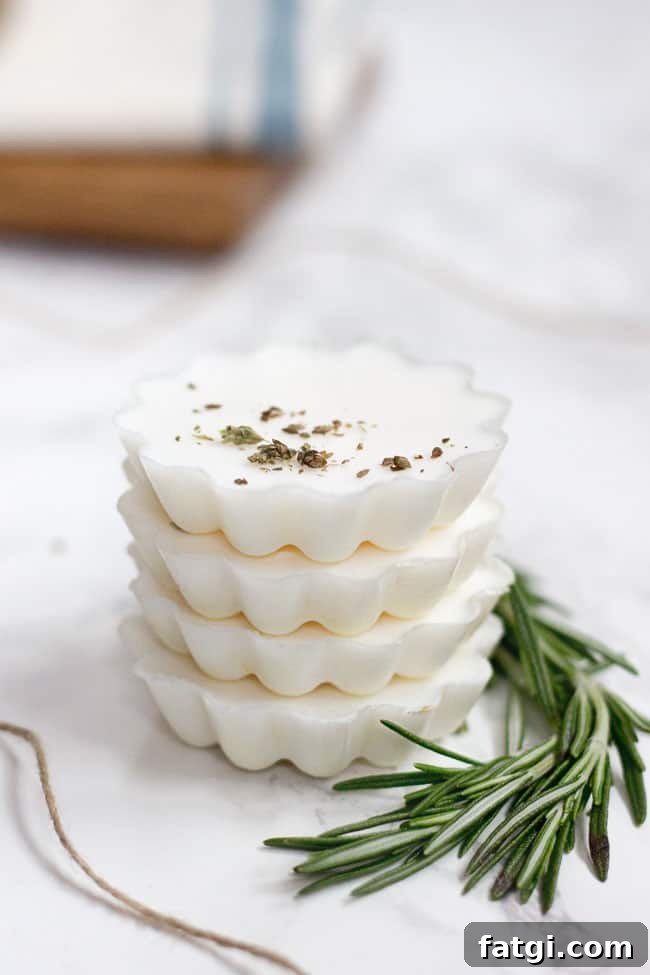
Rosemary essential oil has a fresh herbal aroma with light woody notes. It gives soap a clean, garden-inspired scent and is often used in bars made for oily or tired-feeling skin. Rosemary is also a good choice for morning soaps because its scent feels clear and energizing.
Use rosemary essential oil at around 1-3% of your soap mixture. It works nicely by itself, but it also pairs well with lavender, eucalyptus, peppermint, lemon, and tea tree. These blends create a fresh, herbal soap that is practical and aromatic.
Try This Rosemary + Eucalyptus Soap Recipe
10. Patchouli Essential Oil
Patchouli essential oil adds a deep, earthy scent to handmade soap. Its aroma is rich, grounding, and long-lasting, making it a strong base note in natural soap blends. Patchouli is often used in rustic, woodsy, or spa-style bars, especially when a warm and lingering fragrance is desired.
Depending on the recipe and the strength you want, patchouli may be used at 0.5-5%. Start with a smaller amount if you are unsure, because the scent can become intense. It blends beautifully with cedarwood, peppermint, sweet orange, lavender, ylang-ylang, and other earthy or floral oils.
Try This Peppermint + Patchouli Soap Recipe
Basic Essential Oil Soap Recipe
1 pound melt-and-pour soap base
25 drops essential oils of choice
Chop the soap base into small cubes and place them in a microwave-safe bowl. Microwave in 15-second intervals, stirring between each round, until the soap is fully melted. Let the melted base cool until it is no longer very hot, then add 25 drops of your chosen essential oils and stir well.
Pour the mixture into a soap mold and allow it to cool completely. If you do not have a soap mold, you can use a clean milk carton with one side cut open. Pour the soap into the carton to create a loaf shape, then slice it into bars once it has fully hardened.