How Do I Convert Recipes Into Instant Pot Recipes?
This is one of the most common Instant Pot questions: how do you take a favorite stovetop, oven, or slow cooker recipe and make it work in a pressure cooker? The Instant Pot is incredibly useful, but it cooks in a very different way. A recipe that works perfectly in a slow cooker may need a few simple changes before it will work well under pressure.
The good news is that converting recipes to Instant Pot recipes gets easier with practice. Once you understand liquid requirements, cook times, pressure release methods, and which ingredients should be added later, you can adapt many family favorites with confidence.
How to Convert Recipes to Instant Pot Recipes
These are my best tips for turning everyday recipes into successful Instant Pot meals. Use them as a starting point, then write down what works for your own recipes so you can repeat the results next time.
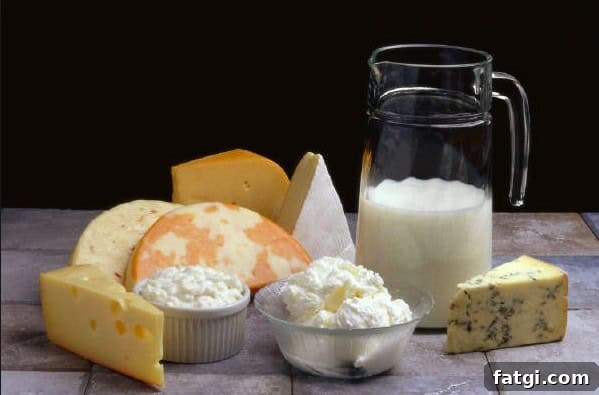
1. Don’t Add Dairy Before Pressure Cooking
Dairy behaves differently in the Instant Pot than it does on the stovetop, in the oven, in the microwave, or in a slow cooker. High heat and pressure can cause milk, cream, cheese, and other dairy ingredients to scorch, separate, or become clumpy.
If a recipe calls for dairy, add it after the food has finished pressure cooking and the pressure has been released. For example, if you are making a creamy soup, cook the soup without the cream first. Once the pressure cooking time is complete, release the pressure, switch the Instant Pot to sauté, and stir in the cream until it is warmed through.
2. Adjust Recipes So They Fit in the Instant Pot
Converting a recipe is not only about changing the cooking time. You also need to think about how full the Instant Pot will be once all the ingredients are added.
Ingredients such as rice, pasta, beans, and grains expand as they cook. Some can double or even triple in size, so the original recipe may need to be reduced to prevent overfilling. For safe and proper pressure cooking, the pot should generally not be filled more than two-thirds full. Pay attention to the MAX line inside the inner pot, and leave enough room for food to expand.

3. Use the Instant Pot Features
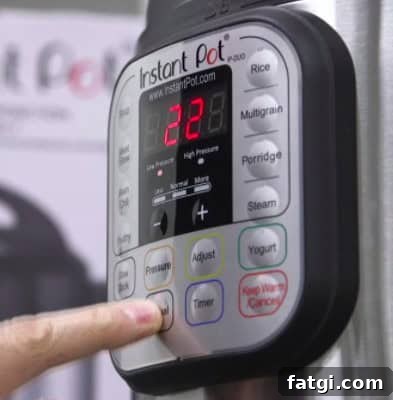
One of the best parts of cooking with an Instant Pot is that it can do more than pressure cook. You can sauté vegetables, brown ground beef, sear meat, and simmer sauces directly in the pot.
When converting recipes to Instant Pot cooking, use the sauté function the same way you would use a skillet on the stove. If the original recipe tells you to brown meat, cook onions, or sauté garlic before adding other ingredients, do that step in the Instant Pot first. This adds flavor and keeps the recipe closer to the original version.
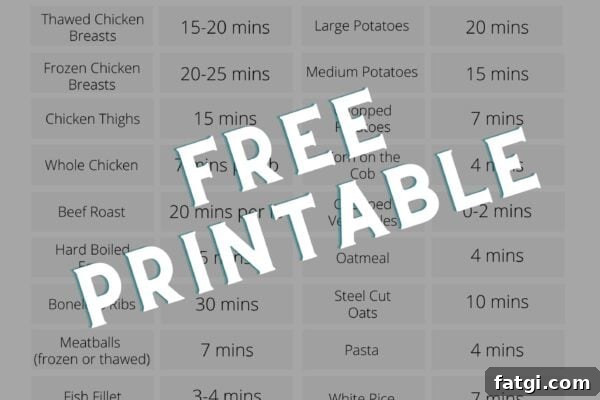
A simple Instant Pot cooking times chart can also help you estimate pressure cooking times when you are adapting recipes.
4. Start With Easy Slow Cooker Recipes
If you are new to converting recipes for the Instant Pot, begin with simple slow cooker recipes that already include liquid. Soups, stews, shredded meats, chili, and saucy chicken recipes are usually easier to adapt than baked dishes or recipes with very little moisture.
The Instant Pot needs liquid in order to build pressure. If a recipe does not contain enough liquid, the pot may not pressurize correctly. That is why recipes with broth, water, sauce, or other cooking liquid are often the easiest place to start.
Some foods that are not cooked directly in liquid, such as cheesecake, meatloaf, or lasagna, may still be made in the Instant Pot with the right accessories, such as a steaming rack or a pan that fits inside the pot. These types of recipes usually take more testing, so compare them with similar Instant Pot recipes to get a realistic starting point for time and method.
5. Convert Slow Cooker Cook Times Carefully
Cook time is one of the biggest differences between slow cooker recipes and Instant Pot recipes. A meal that takes several hours in a slow cooker may need only a short pressure cooking time, but you also need to remember that the Instant Pot takes time to come to pressure before the timer starts.
When you do not have a similar Instant Pot recipe to compare with, use a reliable cooking time chart as a guide. Start with the main ingredient, such as chicken, beef, pork, beans, rice, or potatoes, and adjust from there based on the size of the pieces and the other ingredients in the recipe.
6. Match Ingredients With Similar Cook Times
If you want a true “dump and go” Instant Pot recipe, choose ingredients that cook in roughly the same amount of time. They do not have to be exact, but they should be close enough that one ingredient is not overcooked while another is still underdone.
For example, large pieces of meat may need to be cut into smaller chunks if they are cooking with quick-cooking vegetables. You may also need to add delicate ingredients after pressure cooking or pre-cook certain items before combining everything. The first few attempts may take some trial and error, but matching cook times makes a big difference.
7. Decide How Much Liquid to Use
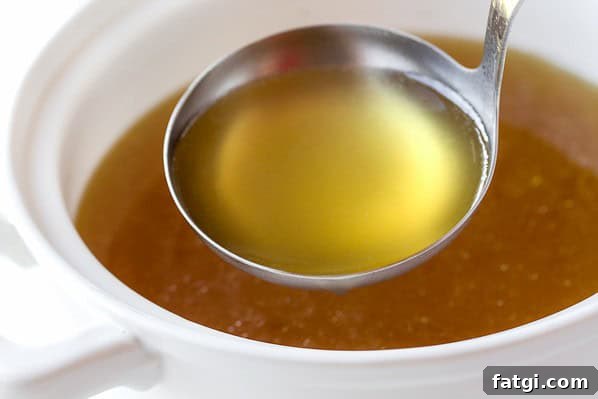
Liquid is one of the most important parts of Instant Pot cooking. Too much liquid can make a dish watery, while too little liquid may keep the pot from pressurizing.
As a general starting point, use at least 1 cup of liquid for recipes that do not already contain much moisture. If the recipe includes a thicker sauce, such as tomato sauce or teriyaki sauce, you may be able to use less additional liquid, but the mixture still needs to be thin enough to create steam. Very thick sauces can sometimes settle on the bottom and cause problems, so stir well and add liquid when needed.
Unlike stovetop cooking, very little liquid evaporates during pressure cooking. If you add extra liquid to help the Instant Pot come to pressure, keep that in mind when serving the final dish. You can always use the sauté function after cooking to reduce a sauce if it is too thin.

8. Choose the Right Instant Pot Pressure Release
Another common question is whether to use quick release or natural release. A good rule is to let recipes with meat naturally release for about 10 minutes before releasing the remaining pressure. This can help the meat stay more tender.
Recipes that foam, such as potatoes, rice, beans, and thick soups, are also better with a natural release or a partial natural release. Foamy foods can sometimes spray through the valve if you use quick release immediately.
For many other recipes, quick release works well and helps stop the cooking process sooner. If you are unsure, check how similar Instant Pot recipes handle the pressure release and use that as your guide.
There is no perfect formula for every recipe, but the best way to learn how to convert recipes to Instant Pot recipes is to keep practicing. Make notes about the amount of liquid you used, the pressure cooking time, and whether you used quick release or natural release. Over time, you will build your own reliable method for adapting favorite meals.
Start with simple recipes, use enough liquid, avoid pressure cooking dairy, and pay attention to ingredient size and cook times. With a little practice, the Instant Pot can become one of the easiest ways to make quick, flavorful meals at home.